
Super Bowl Betting and Gambling Addiction: When Game Day Becomes a Problem
Understanding the risks of sports betting during America's biggest sporting event and recognizing when casual wagering crosses into addiction.
⏱️ 12 min read📋 What You'll Learn in This Article
The Super Bowl is more than just a football game—it's become America's largest single-day gambling event. With the legalization of sports betting across much of the United States, what was once limited to office pools and trips to Las Vegas has transformed into a multi-billion dollar industry accessible from your smartphone. While many people enjoy placing a friendly wager on the big game, for some, Super Bowl betting marks the beginning of—or a dangerous escalation in—a gambling addiction that can devastate finances, relationships, and mental health.
Understanding the connection between major sporting events like the Super Bowl and gambling addiction isn't about discouraging all forms of entertainment betting. It's about recognizing when recreational activity crosses into compulsive behavior, knowing the warning signs, and understanding that help is available when gambling stops being fun and starts causing real harm.
📊 Super Bowl Gambling by the Numbers
Sources: American Gaming Association 2026 Super Bowl betting report; National Council on Problem Gambling prevalence data
The Explosive Growth of Super Bowl Betting
The landscape of sports betting in America has changed dramatically in recent years. Following the 2018 Supreme Court decision that struck down the federal ban on sports betting, states have rapidly legalized and regulated the industry. As of 2026, 38 states plus Washington D.C. have legalized sports betting in some form, with more states considering legislation.
The Super Bowl has become the crown jewel of this expanding industry. What makes Super Bowl betting particularly significant—and potentially problematic—is its accessibility and cultural normalization:
- Mobile betting apps allow wagering from anywhere, at any time, with just a few taps on your phone
- Aggressive marketing during the weeks leading up to the game normalizes betting as part of the viewing experience
- Promotional offers like "risk-free" bets and deposit bonuses encourage new bettors to participate
- Social acceptance makes betting on the Super Bowl seem like a harmless tradition rather than gambling
- Prop bets (proposition bets on specific game events) create hundreds of betting opportunities beyond just picking the winner
For many people, placing a $20 bet on the Super Bowl is genuinely harmless entertainment. But for individuals vulnerable to gambling addiction—whether due to genetics, mental health conditions, past trauma, or other risk factors—the Super Bowl can serve as a gateway to compulsive gambling behavior that extends far beyond game day.

Mobile betting apps have made sports gambling more accessible than ever before
💡 Key Insight: The "Gateway" Effect
Research shows that major sporting events like the Super Bowl often serve as entry points into regular gambling. The combination of social acceptance, easy access through mobile apps, and the excitement of a high-profile event can lower psychological barriers to gambling, particularly for people who might not otherwise visit a casino or sportsbook.
When Casual Betting Becomes Compulsive
The transition from casual, recreational betting to problematic gambling doesn't happen overnight, and it doesn't look the same for everyone. However, there are common patterns that emerge when Super Bowl betting—or any sports betting—begins to cross the line into addiction.
The Progression of Gambling Addiction
Stage 1: The Winning Phase
Many people who develop gambling problems start with a win or a series of wins. That first Super Bowl bet that pays off creates a powerful memory and a belief that you have skill or insight that gives you an edge. The brain releases dopamine—the same neurotransmitter involved in other addictions—creating a pleasurable sensation that you want to repeat.
Stage 2: The Losing Phase
As gambling continues, losses inevitably occur. But instead of recognizing this as the statistical reality of gambling (the house always has an edge), problem gamblers begin "chasing losses"—placing larger or more frequent bets to try to win back what they've lost. The Super Bowl might have been the starting point, but now betting extends to regular season games, other sports, or even casino games.
Stage 3: The Desperation Phase
At this stage, gambling has caused significant financial problems, relationship conflicts, and emotional distress. The person may be borrowing money, lying about their gambling, or experiencing severe anxiety and depression. Yet they continue to gamble, often believing that one big win will solve all their problems.
It's important to understand that gambling addiction is a recognized mental health disorder, not a moral failing or lack of willpower. The American Psychiatric Association classifies gambling disorder as a behavioral addiction with neurological similarities to substance use disorders. Like other addictions, it requires professional treatment, not just a decision to "stop."
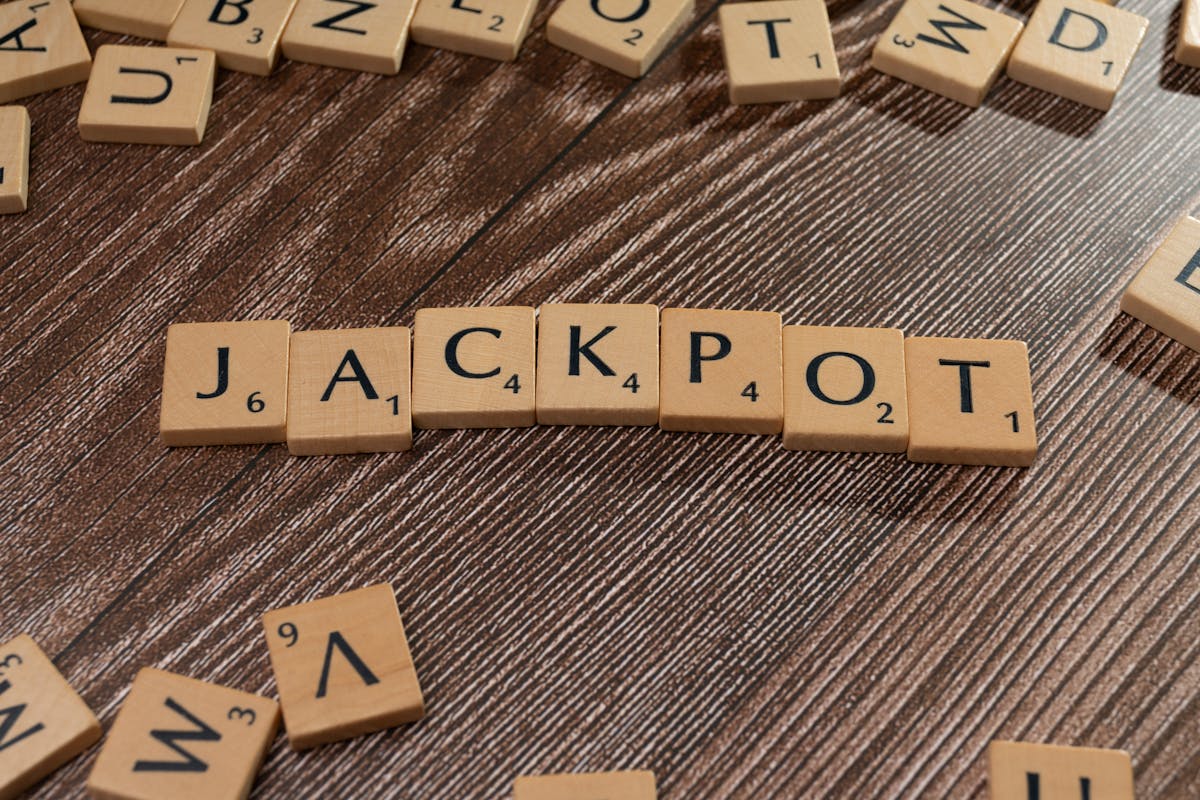
Gambling addiction progresses through distinct stages, often beginning with early wins
Why the Super Bowl Is Particularly Risky
Several factors make Super Bowl betting especially problematic for people vulnerable to gambling addiction:
- Cultural pressure: When "everyone" is betting on the game, it feels abnormal not to participate
- Emotional investment: The hype and excitement surrounding the Super Bowl amplify the emotional highs and lows of betting
- Availability of credit: Many betting apps offer instant credit or "play now, pay later" options that disconnect the bet from its real financial cost
- Illusion of control: The abundance of statistics, expert analysis, and betting options creates a false sense that outcomes are predictable
- Social isolation: Mobile betting allows people to gamble alone, without the social checks that might occur in a group setting
Warning Signs of Gambling Addiction
Recognizing the signs of gambling addiction—in yourself or someone you care about—is the first step toward getting help. Gambling disorder exists on a spectrum, and early intervention can prevent the most severe consequences.
Behavioral Warning Signs
- Preoccupation with gambling: Constantly thinking about past bets, planning future bets, or strategizing ways to get money for gambling
- Needing to bet more: Requiring larger or more frequent bets to achieve the same excitement (tolerance)
- Failed attempts to stop: Repeatedly trying to cut back or quit gambling without success
- Restlessness when not gambling: Feeling irritable, anxious, or restless when attempting to reduce gambling
- Escape gambling: Using gambling to escape problems or relieve negative emotions like anxiety, depression, or stress
- Chasing losses: Returning to gambling to try to win back money lost in previous sessions
- Lying about gambling: Concealing the extent of gambling from family, friends, or therapists
- Jeopardizing relationships or opportunities: Risking or losing important relationships, jobs, or educational opportunities due to gambling
- Relying on others financially: Depending on others to provide money to relieve desperate financial situations caused by gambling
⚠️ Crisis Warning Signs
If you or someone you know is experiencing thoughts of suicide, has engaged in illegal activities to finance gambling, or is facing imminent financial catastrophe due to gambling, this is a crisis situation requiring immediate help. Contact the National Suicide Prevention Lifeline at 988 or the National Problem Gambling Helpline at 1-800-522-4700.
Financial Warning Signs
- Unexplained financial problems or debt accumulation
- Frequent requests to borrow money or unexplained loans
- Selling possessions or valuables without clear reason
- Maxed out credit cards or new credit accounts
- Missing bill payments or utilities being shut off
- Secretive about finances or defensive when asked about money
- Large, unexplained withdrawals from bank accounts
Emotional and Psychological Warning Signs
- Mood swings that seem connected to wins or losses
- Increased anxiety, depression, or irritability
- Sleep disturbances or changes in sleep patterns
- Withdrawal from family, friends, or previously enjoyed activities
- Defensive or angry reactions when gambling is questioned
- Expressions of guilt, shame, or hopelessness about gambling
According to the DSM-5 (Diagnostic and Statistical Manual of Mental Disorders), a person needs to meet at least four of nine criteria within a 12-month period to be diagnosed with gambling disorder. However, you don't need to meet the clinical threshold to benefit from help—if gambling is causing problems in your life, that's reason enough to seek support.

Recognizing warning signs early can prevent the most severe consequences of gambling addiction
The Brain Science Behind Gambling Addiction
Understanding why gambling can be so addictive requires looking at what happens in the brain. Gambling addiction isn't about weak character or poor decision-making—it's a neurological condition that changes how the brain processes reward, risk, and decision-making.
The Dopamine Connection
When you place a bet and win, your brain releases dopamine, a neurotransmitter associated with pleasure and reward. This is the same chemical involved in substance addictions. However, gambling has a unique feature: near-misses (almost winning) also trigger dopamine release, even though you've actually lost money. This keeps people gambling even when they're losing.
During the Super Bowl, the constant stream of prop bets, live betting options, and rapid outcomes creates multiple opportunities for these dopamine hits, making it particularly addictive for vulnerable individuals.
Variable Ratio Reinforcement
Gambling operates on what psychologists call a "variable ratio reinforcement schedule"—the most powerful type of behavioral conditioning. You don't know when the next win will come, but you know it could be the next bet. This is the same principle that makes slot machines so addictive, and it applies equally to sports betting.
The Super Bowl, with its hundreds of prop bets and in-game betting options, creates countless opportunities for this type of reinforcement, making it especially difficult to stop once you've started.
The Illusion of Control
Unlike casino games where the randomness is obvious, sports betting creates an illusion of control. You can research teams, analyze statistics, and follow expert predictions. This makes it feel like skill rather than chance, even though the outcome is ultimately unpredictable. This illusion is particularly strong during high-profile events like the Super Bowl, where analysis and commentary are everywhere.
💡 Brain Changes in Gambling Addiction
Brain imaging studies show that people with gambling disorder have reduced activity in the prefrontal cortex (responsible for impulse control and decision-making) and heightened activity in reward centers. These changes are similar to those seen in substance use disorders, which is why gambling addiction is now classified as a behavioral addiction rather than an impulse control disorder.
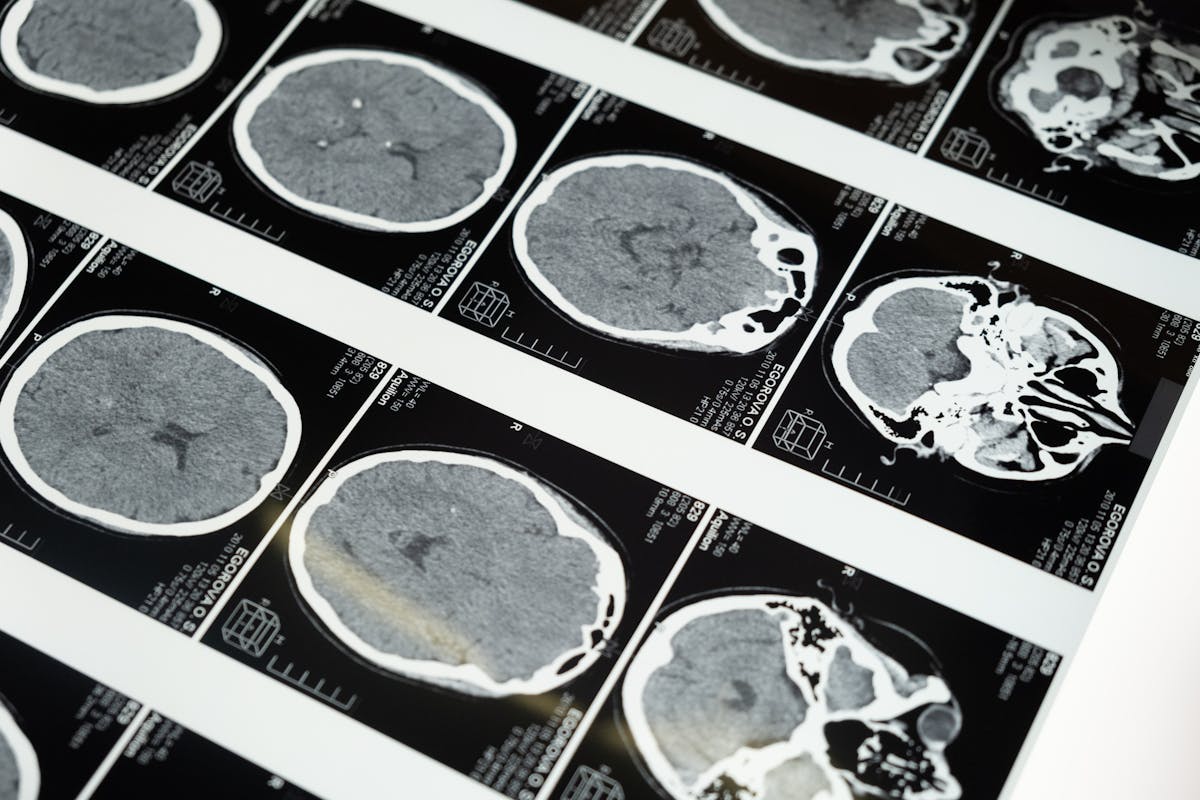
Brain imaging reveals how gambling addiction alters neural pathways similar to substance addictions
The Financial and Personal Toll
The consequences of gambling addiction extend far beyond the money lost on bets. While financial devastation is often the most visible impact, the personal, relational, and psychological costs can be equally severe.
Financial Consequences
- Debt accumulation: Credit card debt, personal loans, payday loans, and borrowing from friends and family
- Bankruptcy: Many people with severe gambling problems file for bankruptcy
- Loss of assets: Homes, vehicles, retirement accounts, and other assets may be lost
- Job loss: Gambling during work hours, poor performance due to preoccupation, or theft to fund gambling
- Legal problems: Some people resort to illegal activities (embezzlement, fraud, theft) to finance gambling
The average debt for someone seeking treatment for gambling disorder is approximately $40,000 to $70,000, though this can be much higher in severe cases.
Relationship and Family Impact
- Broken trust: Lying about gambling and finances destroys trust in relationships
- Divorce and separation: Gambling addiction is a significant factor in many divorces
- Family financial stress: Spouses and children suffer the consequences of gambling-related debt
- Emotional abuse: The stress and desperation of gambling addiction can lead to verbal or emotional abuse
- Neglect: Time and attention spent on gambling takes away from family responsibilities
Mental Health Consequences
- Depression: Extremely common among people with gambling disorder, often severe
- Anxiety disorders: Constant worry about finances, lying, and consequences
- Substance use: Many people with gambling addiction also develop alcohol or drug problems
- Suicide risk: People with gambling disorder have the highest suicide rate of any addiction
- Shame and isolation: The stigma around gambling problems leads many to suffer in silence
If you're struggling with gambling addiction, it's important to know that you're not alone and that the shame you feel is part of the disorder, not a reflection of who you are. Gambling addiction thrives in secrecy, and reaching out for help is the most courageous and important step you can take.

The financial toll of gambling addiction can be devastating, but recovery and financial healing are possible
Getting Help for Gambling Addiction
Recovery from gambling addiction is absolutely possible, and there are multiple pathways to get help. The first and often hardest step is acknowledging that gambling has become a problem and deciding to seek support.
Immediate Steps You Can Take
1. Reach Out to a Helpline
The National Problem Gambling Helpline (1-800-522-4700) is available 24/7 and provides free, confidential support. Trained counselors can help you assess your situation, provide immediate support, and connect you with local resources.
2. Self-Exclusion Programs
Most states with legal gambling offer self-exclusion programs that allow you to voluntarily ban yourself from casinos, online gambling sites, or sports betting apps. While not foolproof, these programs create barriers that can help interrupt the gambling cycle.
3. Financial Safeguards
Consider giving a trusted person control over your finances temporarily, deleting gambling apps from your phone, blocking gambling websites, and canceling credit cards used for gambling. These practical steps can provide breathing room to seek more comprehensive help.
4. Tell Someone You Trust
Breaking the secrecy around gambling is crucial. Tell a trusted friend, family member, or spiritual advisor about your struggle. Having someone who knows and can support you makes recovery significantly more likely.
Professional Treatment Options
Gamblers Anonymous (GA)
A 12-step program specifically for gambling addiction, GA provides peer support, accountability, and a structured approach to recovery. Meetings are free and available in most communities, as well as online.
Individual Therapy
Cognitive Behavioral Therapy (CBT) is particularly effective for gambling addiction. A therapist can help you identify triggers, challenge distorted thinking about gambling, develop coping strategies, and address underlying mental health issues.
Residential Treatment Programs
For severe gambling addiction, especially when combined with other mental health or substance use issues, residential treatment provides intensive, structured support in a controlled environment away from gambling triggers.
Outpatient Treatment Programs
Outpatient programs offer structured treatment while allowing you to maintain work and family responsibilities. These programs typically include individual therapy, group counseling, and education about gambling addiction.
💡 Co-Occurring Disorders
Many people with gambling addiction also struggle with depression, anxiety, PTSD, substance use disorders, or other mental health conditions. Effective treatment addresses all of these issues together, not just the gambling behavior in isolation. This is called integrated treatment for co-occurring disorders.

Professional treatment and peer support are essential components of gambling addiction recovery
Recovery and Treatment at Williamsville Wellness
At Williamsville Wellness, we understand that gambling addiction rarely exists in isolation. Many of our clients struggle with gambling alongside substance use disorders, anxiety, depression, or trauma. Our comprehensive approach addresses the whole person, not just the addictive behavior.
Our Approach to Behavioral Addictions
While we specialize in substance use disorder treatment, we recognize that behavioral addictions like gambling often co-occur with or share underlying causes with substance addictions. Our treatment approach includes:
- Comprehensive assessment to understand all aspects of your mental health and addiction
- Individual therapy using evidence-based approaches like CBT and DBT
- Group therapy to build connection, reduce isolation, and learn from others' experiences
- Trauma-informed care that addresses underlying trauma that may drive addictive behaviors
- Life skills development including financial management, stress management, and healthy coping strategies
- Family involvement to rebuild trust and create a supportive recovery environment
- Aftercare planning to support long-term recovery beyond treatment
What Makes Our Program Different
Our 28-day residential program provides the structure and support needed to break free from addictive patterns while developing the skills for lasting recovery. We maintain a small, intimate environment where you receive personalized attention from our experienced clinical team.
Located in the peaceful setting of Williamsville, Virginia, our facility offers a respite from the triggers and stresses of daily life, allowing you to focus entirely on your recovery. We accept most major insurance plans and can help you understand your coverage and options.
Recovery from gambling addiction is not about willpower—it's about understanding the underlying causes, developing new coping strategies, and building a life where gambling no longer serves a purpose. With professional support, most people with gambling disorder can achieve lasting recovery and rebuild their lives.

Recovery from gambling addiction brings hope, healing, and the opportunity to rebuild your life
📖 You May Also Find Helpful
Co-Occurring Disorders Treatment
Understanding integrated treatment for dual diagnosis.
Anxiety and Addiction Recovery
Breaking the cycle of anxiety and substance use.
Rebuilding Finances After Addiction
Practical steps to financial recovery and stability.
Preparing for Your First Therapy Session
What to expect and how to get the most from therapy.
How Family Dynamics Influence Addiction
Understanding family patterns in addiction and recovery.
Free Recovery Tools
Access helpful resources to support your recovery journey.
You Don't Have to Face This Alone
If gambling has stopped being fun and started causing real problems in your life—whether it began with Super Bowl betting or somewhere else—help is available. At Williamsville Wellness, we understand that gambling addiction often co-occurs with other mental health challenges, and we're equipped to address all aspects of your wellbeing.
Our compassionate team has helped countless individuals break free from addictive patterns and build meaningful, fulfilling lives in recovery. We know that reaching out takes courage, and we're here to support you every step of the way.
Recovery is possible. You deserve support. Whether you're struggling with gambling, substance use, or both, we can help.
📞 Call 804-655-0094Talk with a real person—not a call center—about your situation. We'll listen without judgment, answer your questions, and help you understand your options. Reach out today—taking that first step is the hardest part, and we're here to make it easier.