

What Happens During the First Week of Rehab?
Discover what happens during the first week of rehab, from intake to therapy and building your foundation for lasting recovery.
📚 What You'll Discover in This Guide
- Arrival and Initial Intake
- Comprehensive Assessment Process
- Medical Clearance and Health Monitoring
- Developing Your Individualized Treatment Plan
- Understanding Daily Structure and Routine
- First Therapy Sessions
- Emotional Adjustment and Early Challenges
- Building Your Support Network
- Setting Realistic Expectations
- Looking Beyond Week One
Taking the first step toward recovery requires immense courage. For many individuals and their families, the decision to enter residential addiction treatment represents both hope and uncertainty. Understanding what happens during the first week of rehab can help ease anxieties and set realistic expectations for this life-changing journey.
The first week of rehab is arguably the most critical period in your recovery journey. It establishes the foundation for everything that follows, addressing immediate safety concerns while beginning the therapeutic work necessary for long-term sobriety. According to research published by the Substance Abuse and Mental Health Services Administration, individuals who complete comprehensive intake and assessment processes during their first week show significantly higher rates of treatment retention and successful outcomes.
This week involves much more than simply abstaining from substances. It's a structured, therapeutically focused process that addresses psychological, emotional, and behavioral aspects of addiction. For individuals who require medical detoxification, this must be completed at an appropriate medical facility before entering our program. Once medically stable, the treatment team at Williamsville Wellness works intensively to ensure your comfort, gather critical information about your unique situation, and create a personalized roadmap for your recovery journey.
Many people enter rehab with questions and concerns: Will I be comfortable? What will the daily schedule look like? How will I manage without substances? What should I expect from medical supervision? This comprehensive guide walks you through each phase of the first week, demystifying the process and helping you understand how each component contributes to building a strong foundation for sustained recovery.
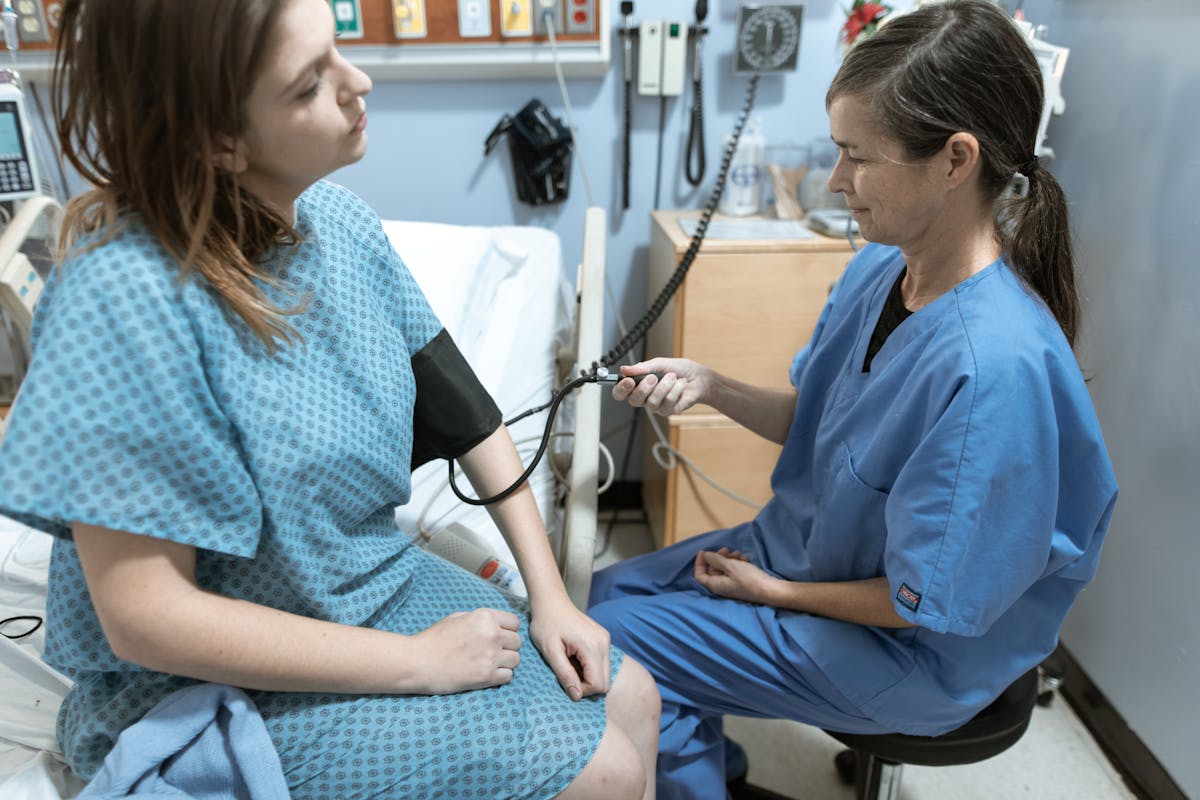
Medical assessment is a critical first step in the rehab process for many patients
Arrival and Initial Intake
Your journey begins the moment you arrive at the treatment facility. The intake process typically starts within the first few hours and serves multiple important purposes: ensuring your immediate safety, collecting essential information, and helping you feel welcomed and supported as you begin this transformative experience.
Upon arrival, you'll meet members of your treatment team who will guide you through the check-in process. This typically includes presenting identification, verifying insurance information, and signing consent forms for treatment. While this administrative component is necessary, experienced addiction treatment professionals understand that you may be feeling anxious or overwhelmed as you begin this journey, and they work to make this process as comfortable and welcoming as possible.
Check-In and Orientation
Complete paperwork, receive facility tour, learn basic rules and expectations, and get oriented to your living space
Belongings Inspection
Staff review your personal items to ensure no prohibited substances or items enter the facility, promoting a safe environment
Health Status Review
Our nursing staff checks basic vital signs and reviews your health history to ensure you're ready to begin programming
During intake, you'll also receive important information about facility rules, daily schedules, and available resources. The treatment team will help you understand expectations around daily structure and participation while ensuring you have what you need to feel comfortable and supported during this transition.
The intake staff recognizes that this transition can feel overwhelming. They're trained to provide emotional support alongside practical information, answering questions and addressing concerns while maintaining the structure necessary for effective treatment. Remember, everyone at the facility has chosen to work in addiction recovery because they believe in the possibility of transformation and want to support your journey.

The intake process establishes important information for personalized treatment planning
Comprehensive Assessment Process
Within the first 24 to 48 hours, you'll undergo a comprehensive assessment that forms the foundation of your entire treatment plan. This thorough evaluation goes far beyond simple questionnaires, incorporating multiple assessment tools and interviews designed to understand your unique situation, needs, and goals.
The comprehensive assessment process follows standards established by the American Society of Addiction Medicine (ASAM) and addresses six key dimensions that influence addiction and recovery:
Your assigned counselor or clinical team will conduct in-depth interviews covering your substance use history, including what substances you've used, how frequently, in what quantities, and for how long. They'll explore your first experiences with substances, progression of use, previous treatment attempts, and any periods of sobriety. This information isn't collected to judge you but to understand the full picture of your relationship with substances and identify factors contributing to addiction.
The assessment also addresses co-occurring mental health conditions. Research consistently shows that the majority of individuals with substance use disorders also experience mental health challenges such as depression, anxiety, PTSD, or bipolar disorder. Identifying these conditions during the assessment ensures that your treatment plan addresses both addiction and underlying mental health needs simultaneously—a critical factor in preventing relapse.
The assessment process may feel lengthy and emotionally exhausting, especially if you're still experiencing withdrawal symptoms. However, this comprehensive evaluation is essential for developing an effective, personalized treatment plan that addresses your specific needs rather than following a one-size-fits-all approach.
Additional assessment areas include physical health status, family history of addiction and mental health issues, social and environmental factors, legal concerns, employment or educational situation, and spiritual or cultural considerations. Some facilities also use standardized assessment instruments to screen for specific conditions and measure symptom severity.
Throughout the assessment, clinicians work to create a safe, non-judgmental environment where you feel comfortable sharing honest information about your experiences. The therapeutic relationship begins here, built on trust, confidentiality, and genuine concern for your wellbeing and recovery success.
Medical Clearance and Health Monitoring
At Williamsville Wellness, we are an addiction rehabilitation center that focuses on the therapeutic and psychological aspects of recovery. Because we are not a medical facility, all individuals entering our program must be medically stable and cleared for residential treatment before arrival. This is an important distinction that ensures everyone who enters our program can safely participate in our therapeutic programming.
⚠️ Important: Medical Detoxification Requirement
If you require medical detoxification from alcohol, benzodiazepines, or other substances, this must be completed at a medical detox facility before admission to Williamsville Wellness. Withdrawal from certain substances can be medically dangerous and requires 24-hour medical supervision that we do not provide. We work with you to coordinate appropriate medical detox services before you begin our program.
Understanding the difference between medical detoxification and addiction rehabilitation is important. Medical detox—which typically lasts 3 to 10 days depending on the substance—focuses on safely managing acute withdrawal symptoms under medical supervision. This process addresses the physical dependence on substances but does not address the underlying addiction or teach skills for sustained recovery.
That's where addiction rehabilitation programs like ours come in. Once you're medically stable, our residential treatment program provides the therapeutic interventions, skills training, and psychological support necessary for long-term recovery. We focus on helping you understand your addiction, develop healthy coping mechanisms, address underlying mental health conditions, and build a sustainable recovery lifestyle.

Our nursing staff provides medication administration and basic health monitoring
While at Williamsville Wellness, we have nurse practitioners on staff who will provide important support including administering prescribed medications as directed by your prescribing physician, monitoring vital signs like blood pressure and temperature, tracking any basic health concerns, and coordinating with your healthcare providers as needed. If medical needs arise that are beyond basic nursing care, we arrange for you to see a doctor or visit urgent care facilities.
Before admission, our intake team will discuss your substance use history and any medical concerns. If there's any question about whether medical detox is necessary, we'll help coordinate appropriate medical evaluation and detox services. We want to ensure you enter our program at the right time—when you're medically stable and ready to fully engage in the therapeutic work of recovery.
🏥 Medical Coordination
We work closely with your existing healthcare providers throughout your stay. If you're taking prescribed medications for mental health conditions or other health issues, you'll continue these under the supervision of your prescribing doctor, with our nursing staff handling daily medication administration and monitoring.
This collaborative approach ensures you receive appropriate medical care when needed while benefiting from our specialized expertise in addiction recovery and mental health treatment. Our focus remains on providing evidence-based addiction treatment and addressing the psychological, emotional, and behavioral aspects of substance use disorders.
For individuals entering gambling addiction treatment, medical detoxification is typically not necessary. However, the first week still involves managing psychological withdrawal symptoms and cravings, which our therapeutic program is specifically designed to address.
Developing Your Individualized Treatment Plan
By the end of your first week, your treatment team will have synthesized all the information gathered during intake, assessment, and medical evaluation to create your individualized treatment plan. This comprehensive document becomes your roadmap for recovery, outlining specific goals, therapeutic interventions, and measurable objectives tailored to your unique needs and circumstances.
Your treatment plan is a collaborative document, not something imposed upon you. While clinical expertise guides its development, your input, preferences, and personal recovery goals shape its direction. Effective addiction treatment recognizes that you are the expert on your own life and that sustainable recovery requires you to be an active participant in your treatment, not a passive recipient of services.
The treatment plan typically includes several key components. Primary treatment goals address both immediate needs (such as achieving medical stability and developing basic coping skills) and longer-term objectives (such as understanding root causes of addiction, healing relationships, and building a sustainable recovery lifestyle). Each goal is broken down into specific, measurable steps that allow you and your treatment team to track progress.
Therapeutic interventions outline which treatment modalities will be utilized, such as individual therapy approaches like cognitive behavioral therapy or dialectical behavior therapy, group therapy formats, family counseling sessions, medication management if appropriate, and complementary therapies like mindfulness training or experiential activities.
The plan also identifies potential challenges or risk factors that could threaten your recovery, such as specific triggers, co-occurring mental health symptoms, relationship dynamics, or environmental factors. By anticipating these challenges, the treatment team can help you develop strategies to navigate them effectively.
Perhaps most importantly, your treatment plan includes discharge criteria—the skills, progress, and achievements needed before transitioning to the next level of care. This might involve demonstrating consistent participation in therapy, showing improvement in managing triggers and cravings, establishing a solid understanding of relapse prevention strategies, and creating a strong aftercare plan including outpatient treatment arrangements.
Treatment plans are living documents, reviewed and updated regularly based on your progress, emerging needs, and changing circumstances. This flexibility ensures that your treatment remains responsive and relevant throughout your recovery journey.
Understanding Daily Structure and Routine
One of the most important aspects of your first week involves adapting to the structured daily routine that characterizes residential treatment. This structure isn't arbitrary—it serves critical therapeutic purposes, providing stability, reducing decision fatigue, establishing healthy habits, and creating a predictable environment that reduces anxiety and supports recovery.

Group therapy becomes a cornerstone of daily structure in residential treatment
At Williamsville Wellness, a typical weekday includes 1-2 individual therapy sessions and 4 group therapy sessions, providing a comprehensive therapeutic experience. Here's what a sample daily schedule looks like:
This structured schedule ensures that each day includes a balanced mix of individual therapy addressing your specific needs, group therapy sessions where you connect with peers and practice interpersonal skills, family involvement to begin healing important relationships, wellness activities that support holistic recovery, recovery-focused groups incorporating proven methodologies, and appropriate downtime for rest, reflection, and personal tasks.
⏰ Structure Creates Safety
The structured schedule serves an important purpose: it removes the chaos that often characterizes active addiction and replaces it with predictability and routine. This structure helps regulate your nervous system, establishes healthy habits, and creates space for the therapeutic work necessary for lasting recovery.
During your first week, this structure may feel unfamiliar, especially if you're accustomed to having complete control over your schedule. However, most people find that as they settle into the routine, the structure becomes comforting rather than confining. It removes the burden of constant decision-making and creates a container within which deep therapeutic work can occur.
The daily structure also includes regular mealtimes with nutritious, balanced meals designed to help restore your physical health. Many people entering treatment have neglected proper nutrition, and eating at regular times in a communal setting provides opportunities to practice social skills and build connections with peers while your body heals.
You'll notice that the schedule includes substantial therapeutic programming—multiple group and individual sessions daily—while also building in essential breaks for meals, free time, and evening activities. This balance ensures you're actively engaged in recovery work without becoming overwhelmed or exhausted.
First Therapy Sessions
During your first week, you'll likely participate in your initial individual and group therapy sessions. These early sessions serve primarily to build therapeutic relationships and establish a foundation for deeper work in the weeks ahead. Understanding what to expect can help reduce anxiety about beginning therapy.
Your first individual therapy session typically focuses on building rapport with your counselor and establishing treatment goals. Your therapist will want to understand your perspective on your addiction, what brought you to treatment, your hopes for recovery, and any concerns you have about the process. This is also an opportunity for you to ask questions about therapy and learn about your therapist's approach.
Early therapy sessions often address immediate concerns such as managing withdrawal symptoms and cravings, coping with difficult emotions that arise when substances are removed, navigating the adjustment to residential treatment, and identifying immediate support needs. Your therapist works to create a safe, non-judgmental space where you can begin exploring these issues honestly.

Building trust with your therapist begins during the first week of treatment
Group therapy during the first week introduces you to the power of peer support and shared experience. Many people feel apprehensive about group therapy initially, worried about sharing personal information or being judged by others. However, most quickly discover that group therapy provides a unique form of support that individual therapy cannot replicate.
In early group sessions, you'll primarily listen and observe as you become comfortable with the group format and dynamics. There's typically no pressure to share extensively right away. Many groups begin with "check-ins" where participants briefly share how they're feeling that day—a low-pressure way to begin participating. As you become more comfortable, you'll naturally engage more fully in discussions.
Group therapy offers numerous benefits: witnessing others' struggles and successes reminds you that you're not alone, hearing different perspectives provides new ways of thinking about recovery, receiving feedback from peers who understand addiction offers unique insights, and practicing social skills in a supportive environment builds confidence for relationships outside treatment.
For individuals addressing family dynamics and addiction, early therapy sessions may also include initial family consultations to begin addressing relationship healing alongside individual recovery work.
Emotional Adjustment and Early Challenges
The first week of rehab involves significant emotional adjustment. After removing substances that have been used to cope with feelings, regulate mood, and manage stress, you're suddenly experiencing the full range of your emotions without your previous coping mechanism. This can feel overwhelming and uncomfortable, but it's also a necessary and ultimately healing part of the recovery process.
Common emotional experiences during the first week include anxiety about being in treatment and uncertainty about the future, waves of grief or sadness about consequences of addiction, anger or frustration with yourself or your circumstances, fear about life without substances, shame or guilt about past behaviors, and physical and emotional exhaustion from the intensity of early treatment.
It's important to understand that these feelings are completely normal and expected. You're not failing at recovery if you feel emotionally raw or unstable during your first week—you're actually doing exactly what you need to do. Experiencing and learning to tolerate difficult emotions without immediately seeking escape through substances represents critical progress in recovery.
The discomfort you feel during your first week is temporary, but the skills you develop for managing that discomfort will serve you throughout your recovery journey. Each moment you sit with difficult feelings rather than avoiding them strengthens your emotional resilience.
The treatment team expects emotional struggles during this adjustment period and provides support accordingly. Staff members are trained to recognize when someone is struggling and to provide appropriate interventions. This might include increased check-ins with your counselor, medication adjustments if needed for co-occurring mental health conditions, introduction of specific coping skills like breathing exercises or grounding techniques, or simply having someone available to listen and provide reassurance.
Many people also experience something called "pink cloud" syndrome during early recovery—a temporary period of euphoria and optimism about being sober. While this can feel wonderful, it's important not to mistake these early positive feelings for complete recovery. Sustainable recovery requires addressing underlying issues and developing robust coping skills, not just riding the initial wave of relief from stopping substance use.
Physical adjustment also occurs during your first week. Even though you've completed any necessary medical detoxification before arrival, your body continues healing from the effects of substance use. Post-acute withdrawal symptoms—such as fatigue, sleep disturbances, changes in appetite, and difficulty concentrating—are common during the first week as your brain chemistry continues rebalancing. These symptoms typically improve as you progress through treatment and your body adjusts to functioning without substances.
Building Your Support Network
One of the most valuable aspects of residential treatment is the opportunity to build a support network with peers who understand addiction from personal experience. During your first week, you'll begin forming connections with other residents that can become powerful sources of support and accountability.
These peer relationships often develop naturally through shared meals, group therapy sessions, free time conversations, and everyday interactions within the treatment community. Many people are surprised by how quickly they develop meaningful connections with others in treatment, finding that the shared experience of addiction and recovery creates bonds more quickly and deeply than typical social relationships.

Peer support relationships formed during treatment often become lifelong recovery assets
Your first week also involves beginning to build relationships with your treatment team, including your primary counselor, nursing staff, case manager, and other therapists or specialists you'll work with during treatment. These professional relationships are equally important to your recovery, providing expert guidance, accountability, and support throughout your journey.
Building trust with your treatment team requires openness and honesty, even when that feels uncomfortable. The therapeutic relationship works best when you share authentic experiences rather than presenting an edited version of yourself. Remember that treatment professionals have heard it all before—nothing you share will shock them or change their commitment to supporting your recovery.
Many treatment programs also facilitate connections with alumni—people who have successfully completed treatment and are maintaining their recovery. These connections provide hope, practical wisdom, and living proof that recovery is possible. Alumni often share that giving back by supporting others in early recovery strengthens their own sobriety.
During your first week, staff may also discuss the importance of building a support network for after treatment. This might include identifying supportive family members or friends, researching local recovery meetings and support groups, considering recovery community resources, and planning for continued connection with peers from treatment after discharge.
Setting Realistic Expectations
Understanding what the first week can and cannot accomplish helps set realistic expectations for your treatment experience. The first week lays important groundwork, but it's just the beginning of what is typically a months-long recovery journey that extends well beyond residential treatment.
What the first week accomplishes includes confirming medical stability and readiness for therapeutic programming, gathering comprehensive information about your situation, creating an individualized treatment plan, introducing you to therapeutic concepts and tools, establishing daily structure and healthy routines, beginning to build therapeutic relationships, and connecting you with peer support.
What the first week cannot accomplish includes completely healing from addiction's effects, resolving all underlying psychological issues, eliminating all cravings or desires to use, building all the skills needed for long-term recovery, or guaranteeing that treatment will be comfortable or easy. Recovery is a process, not an event, and significant healing takes time.
💡 Recovery Reality
Research consistently shows that individuals who remain in treatment for at least 90 days show significantly better long-term outcomes than those who leave earlier. The first week is essential, but it's meant to be the foundation for a more extended treatment process, not a complete solution in itself.
It's also important to understand that everyone's first week looks different. Some people experience relatively mild withdrawal and quickly adapt to the treatment routine. Others face more significant physical and emotional challenges. Neither experience predicts long-term recovery success—what matters is showing up, engaging in the process, and being willing to do the work.
If you're struggling during your first week, communicate with your treatment team rather than suffering in silence. They can provide additional support, adjust interventions, or simply offer reassurance that what you're experiencing is normal and will improve. Many people find that by the end of the first week, they're beginning to feel more stable, comfortable, and hopeful about their treatment experience.
Looking Beyond Week One
As your first week in rehab concludes, you'll likely feel a mix of accomplishment, exhaustion, and perhaps nervousness about the weeks ahead. This is an important moment to recognize what you've already achieved. Getting through the first week represents a significant accomplishment and demonstrates your commitment to recovery.
The foundation established during week one supports all the work that follows. With medical stabilization achieved, comprehensive assessment completed, therapeutic relationships begun, and daily routines established, you're positioned to engage more deeply in the therapeutic process during subsequent weeks.
Upcoming weeks will build upon this foundation through deeper exploration of underlying issues contributing to addiction, intensive skills development for managing triggers and preventing relapse, processing trauma or difficult experiences if relevant, strengthening communication and relationship skills, addressing co-occurring mental health conditions, and developing a detailed relapse prevention and aftercare plan.
Your treatment team will continue monitoring your progress, adjusting your treatment plan as needed, and preparing you for successful transition to the next phase of recovery. This might involve step-down to a lower level of care like partial hospitalization or intensive outpatient treatment, or it might mean continuing in residential treatment for a longer period if clinically appropriate.
Remember that seeking help represents courage, not weakness. Entering treatment demonstrates strength and wisdom. Each day you commit to this process, you're investing in a healthier, more authentic version of yourself and building the foundation for a life defined by choice rather than compulsion.
Embracing the Journey Ahead
The first week of rehab is both challenging and transformative. It requires courage to face the reality of addiction, vulnerability to accept help, and perseverance to navigate the physical and emotional difficulties of early recovery. Yet this week also offers gifts: relief from the exhausting cycle of active addiction, connection with people who genuinely understand, professional support from experienced clinicians, structure and safety during a vulnerable time, and most importantly, hope for a different future.
As you move beyond the first week, remember that recovery is not a linear process. There will be difficult days and setbacks alongside progress and victories. What matters is showing up consistently, engaging honestly in the therapeutic process, utilizing the support available to you, and maintaining commitment to your recovery even when it feels challenging.
The journey of recovery extends far beyond the walls of residential treatment. The first week plants seeds that will continue growing throughout treatment and into your life beyond. Each skill learned, insight gained, and connection made contributes to building a recovery that can withstand life's challenges and support you in creating the life you deserve.
Your treatment team at Williamsville Wellness is committed to supporting you through every phase of this journey, starting with a comprehensive first week that sets you up for long-term success. Trust the process, lean on support when needed, and believe in your capacity for transformation.
Ready to Begin Your Recovery Journey?
The first week of rehab represents the beginning of profound transformation. At Williamsville Wellness, we provide comprehensive addiction treatment that addresses both substance use and underlying mental health conditions. Our experienced team guides you through every step of the therapeutic process, from comprehensive assessment to personalized addiction recovery treatment and long-term planning. Learn more about our insurance coverage options to make treatment accessible.
Take the courageous first step toward the life you deserve—your future self will thank you for making this decision today.
📞 Call 804-655-0094Speak with a compassionate addiction specialist and learn how our residential treatment program can support your recovery journey.