First Responders and PTSD-Related Addiction: Breaking the Silence
Understanding the hidden crisis affecting those who protect and serve our communities
📚 What You'll Discover in This Guide
- Understanding the Hidden Crisis
- The Alarming Prevalence of PTSD
- The PTSD-Addiction Connection
- Breaking Down Barriers to Treatment
- Recognizing the Warning Signs
- Evidence-Based Treatment Approaches
- Specialized Treatment Programs
- Supporting Loved Ones in First Response
- The Path to Recovery and Resilience
Every day, first responders—police officers, firefighters, paramedics, EMTs, and emergency dispatchers—rush toward danger while others flee. They are the first on scene during our darkest moments: violent crimes, devastating accidents, natural disasters, and traumatic emergencies that most people will never witness. While we celebrate their courage and depend on their service, a hidden crisis unfolds behind their badges and uniforms: an epidemic of post-traumatic stress disorder (PTSD) and the addiction that often follows.
Unlike military personnel who may experience concentrated periods of combat followed by reintegration, first responders face repeated exposure to potentially traumatic events throughout their entire careers. This cumulative trauma, combined with occupational stress, irregular schedules, and a culture that often discourages vulnerability, creates a perfect storm for mental health challenges and substance use disorders.
First responders are 33% more likely to develop PTSD than the general population, and those with PTSD are 2 to 4 times more likely to develop a substance use disorder. Yet stigma, fear of career consequences, and limited access to culturally competent treatment keep many suffering in silence.
This comprehensive guide examines the intersection of PTSD and addiction among first responders, exploring why these conditions develop, how they manifest, and most importantly—how specialized treatment for co-occurring disorders can offer a path to recovery. If you're a first responder struggling with trauma and substance use, or if you love someone who is, know that recovery is possible—and seeking help is not a sign of weakness, but an act of courage.
Understanding the Hidden Crisis
First responders occupy a unique space in society. We depend on them to maintain order, save lives, and provide immediate assistance during emergencies. This expectation of unwavering strength and composure creates immense psychological pressure. According to SAMHSA (Substance Abuse and Mental Health Services Administration), approximately 30% of first responders develop behavioral health conditions during their careers, including depression, anxiety, and PTSD.
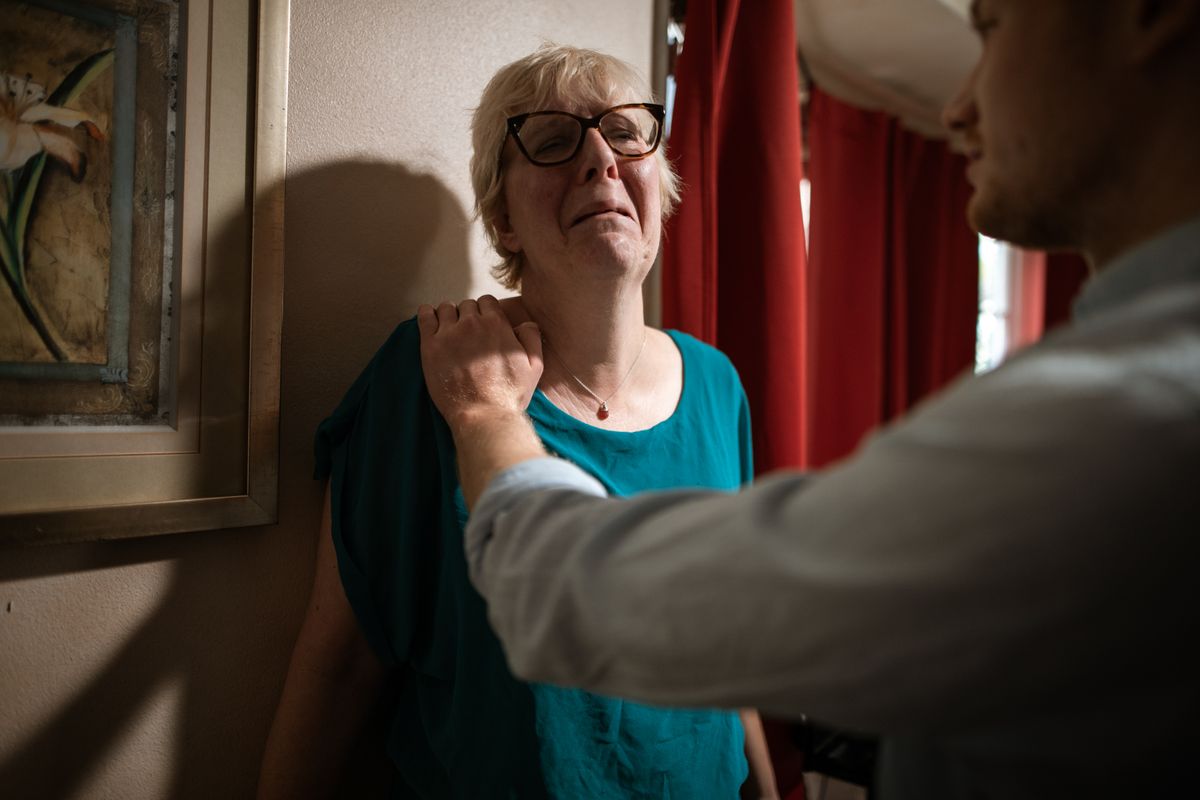
The weight of repeated trauma exposure takes a significant toll on first responders' mental health
The nature of first responder work exposes individuals to experiences that most people will encounter rarely, if ever. A firefighter may witness multiple fatalities in burning buildings over the course of a career. A police officer responds to violent crimes, domestic disturbances, and child abuse cases. Paramedics make life-or-death decisions while transporting critically injured patients. Emergency dispatchers hear the panic and desperation in callers' voices as tragedy unfolds.
What makes this particularly challenging is the repetitive nature of trauma exposure. While a single traumatic event can trigger PTSD, research shows that cumulative trauma significantly increases risk. A 2025 meta-analysis published in ScienceDirect found that first responders in routine exposure samples had a 14.3% PTSD prevalence, with concerning evidence of increasing rates over time, particularly since the COVID-19 pandemic.
Beyond the trauma itself, first responders face numerous occupational stressors that compound mental health risks:
Shift Work and Sleep Disruption: Many first responders work 24-hour shifts or irregular schedules that disrupt normal sleep patterns. Chronic sleep deprivation affects emotional regulation, decision-making, and overall mental health. According to research, 72% of EMTs suffer from sleep deprivation, which significantly increases vulnerability to both PTSD and substance use.
Organizational Pressures: First responders often work in hierarchical organizations where showing emotion or admitting struggles may be perceived as weakness. Leadership expectations of constant readiness and performance create environments where seeking mental health support feels impossible.
Moral Injury: Many first responders experience situations where they must make impossible choices, witness preventable deaths due to system failures, or feel unable to provide adequate help. These experiences can threaten deeply held beliefs about justice, fairness, and one's ability to make a difference, leading to profound psychological distress.
If you're reading this as a loved one: Understanding what first responders face daily is the first step toward providing meaningful support. The stress and trauma they experience are real, even if they don't talk about it.
The Alarming Prevalence of PTSD Among First Responders
Sources: Michael G. Quirke Trauma Therapy and Pacific Sands Recovery Center
The statistics paint a troubling picture of mental health among those who serve on the front lines of emergencies. While approximately 20% of people in the general population will develop PTSD following trauma exposure, that number jumps to 33% for first responders. Some studies report even higher rates, with PTSD prevalence ranging from 10% to 23.2% depending on the specific occupation and measurement methods.
Different first responder professions face unique trauma exposures that influence their mental health outcomes:
Firefighters: Currently, 25% of firefighters are being treated for PTSD, and one-third struggle with alcohol addiction. The combination of physical danger, witnessing burn victims and fatalities, and losing colleagues in the line of duty creates profound trauma. The drinking culture within fire services, where up to 50% of career and volunteer firefighters believe drinking to intoxication is socially acceptable in certain circumstances, compounds the risk of substance use disorders.
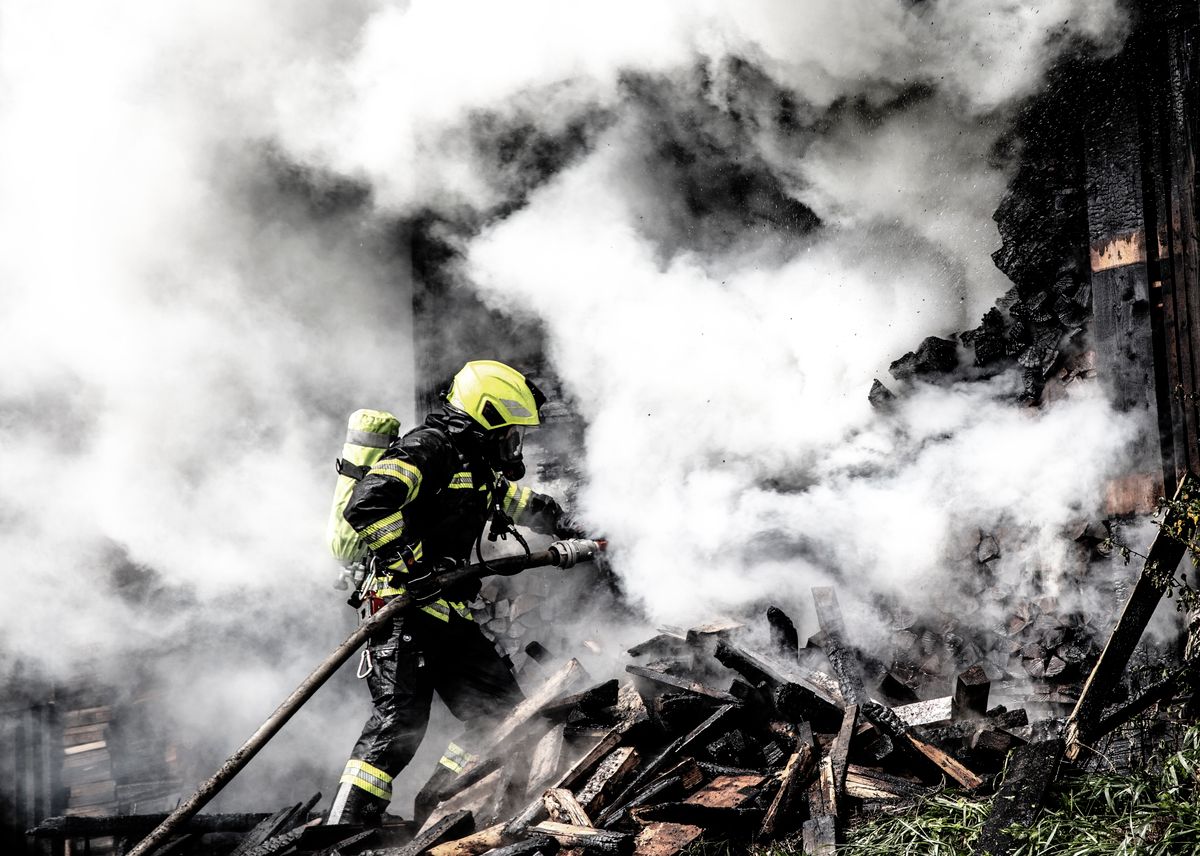
Firefighters face some of the highest PTSD rates among all first responder professions
Law Enforcement Officers: Police officers currently experience a 33% PTSD rate, and since 2020, they are more likely to die by suicide than in the line of duty. Research shows that alcohol use problems increase with years of service—a recent University of Arizona study found that 27% of officers develop alcohol use disorder within just two years of joining the force. For officers with PTSD, 52% of men and 28% of women have a history of co-occurring alcohol dependence or problematic use.
Emergency Medical Personnel: Paramedics and EMTs face particularly high risk due to making rapid life-or-death decisions, often with limited resources. According to SAMHSA, 36% of EMS workers suffer from depression, and more than 20% have PTSD. Drug abuse rates are significantly higher among paramedics and EMTs compared to other first responder professions, partly due to ready access to medications and the normalization of substance use as a coping mechanism.
Emergency Dispatchers: Often overlooked, emergency communications personnel show some of the highest ratings for stressors and mental health impacts relative to other first responder occupations. They experience trauma vicariously through callers' voices, hearing panic, screaming, and sometimes the last moments of people's lives, all while being unable to provide direct assistance.
💡 Important Understanding
PTSD symptoms among first responders may not appear immediately after traumatic events. Sometimes symptoms emerge weeks, months, or even years later, often following a cumulative pattern where it's the tenth or twentieth traumatic call that finally triggers symptoms connected to earlier experiences.
The PTSD-Addiction Connection: Self-Medication and Survival
The relationship between PTSD and substance use disorders among first responders is both well-documented and deeply concerning. Research consistently shows that individuals with PTSD are 2 to 4 times more likely to develop a substance use disorder compared to those without PTSD. Among first responders specifically, approximately 20% of those with PTSD also have a substance use disorder.
This connection isn't coincidental—it reflects a pattern of self-medication where substances temporarily relieve the unbearable symptoms of trauma. According to a study on police officers hospitalized for alcohol addiction, 38.3% had PTSD, and those with PTSD experienced significantly higher lifetime exposure to traumatic experiences including physical assault, severe human suffering, and sudden accidental deaths.
Understanding why first responders turn to substances requires examining the specific symptoms of PTSD and how substances provide temporary relief:
Hyperarousal and Hypervigilance: PTSD keeps the nervous system in a constant state of high alert. First responders with PTSD describe feeling unable to relax, constantly scanning for danger, and experiencing an exaggerated startle response. Alcohol, benzodiazepines, and other depressants temporarily dampen this hyperarousal, allowing moments of calm that feel impossible to achieve otherwise.
Intrusive Memories and Flashbacks: Traumatic memories intrude unbidden, often triggered by sensory experiences—a smell, a sound, a visual reminder. These flashbacks can be so vivid that individuals feel they're reliving the traumatic event. Substances provide temporary mental escape from these intrusive thoughts and painful memories.
Avoidance and Emotional Numbing: PTSD often involves efforts to avoid thoughts, feelings, places, or people associated with trauma. When avoidance fails, substances offer another layer of emotional numbing, creating distance from overwhelming feelings of guilt, shame, anger, or grief.
Sleep Disturbances: Nearly all first responders with PTSD experience sleep problems—difficulty falling asleep, frequent waking, nightmares. Sleep deprivation exacerbates all other PTSD symptoms and impairs functioning. Many turn to alcohol or prescription medications to induce sleep, not recognizing that these substances actually worsen sleep quality and create dependency.
The specific substances first responders use often reflect both availability and occupational norms:
Alcohol: The most common substance used by first responders, alcohol is socially acceptable, readily available, and deeply embedded in first responder culture. Studies show 37.2% of male officers and 36.6% of female officers engage in binge drinking. For firefighters, 43.5% admitted to binge drinking in the past 30 days, and up to 29% engage in alcohol abuse.
Prescription Medications: EMTs and paramedics face particularly high rates of prescription drug abuse due to occupational access. Pain medications (opioids), anti-anxiety medications (benzodiazepines), and sleep aids are commonly misused. The controlled nature of these substances means misuse often goes undetected until dependency is severe.
Stimulants: Some first responders use stimulants like cocaine or methamphetamine to combat exhaustion from irregular shifts and sleep deprivation, or use prescription stimulants like Adderall to maintain alertness during long shifts.
Wondering whether treatment could help? Our team understands the unique pressures first responders face. A single conversation can help clarify your options without any pressure or judgment.
Breaking Down Barriers to Treatment
Despite the high prevalence of PTSD and addiction among first responders, the majority never seek treatment. A systematic review published in the Journal of Psychiatric Research found that 33.1% of first responders endorse stigma items related to mental health treatment, and 9.3% report specific barriers to accessing care.

Stigma and fear of professional consequences keep many first responders from seeking help
The barriers first responders face when considering treatment are both systemic and cultural:
Stigma and the "Hero" Identity: First responders are viewed—and often view themselves—as strong, capable protectors who handle what others cannot. Admitting mental health struggles or addiction feels incompatible with this identity. According to New York State's recent first responder mental health assessment, 80% of participants reported stigma as a major barrier to seeking help.
Fear of Career Consequences: Many first responders fear that seeking mental health treatment or admitting substance use will result in mandatory leave, loss of security clearance, reassignment, or even termination. These fears are not always unfounded—some departments have policies that remove first responders from active duty during mental health treatment, creating financial and professional consequences that deter help-seeking.
Confidentiality Concerns: In the same New York assessment, 72% of first responders cited concerns about confidentiality. They worry that seeking help will become known to supervisors, colleagues, or appear in employment records, potentially affecting promotions, assignments, and peer relationships.
Lack of Culturally Competent Providers: Finding mental health providers who understand first responder culture, occupational stressors, and the specific nature of their trauma is challenging. The New York assessment found that 75% reported lack of mental health providers who understand first responder needs as a barrier to treatment.
Not Recognizing the Need for Help: Perhaps surprisingly, 78% of first responders in the New York study cited "not recognizing the need for help" as a barrier. This reflects both the normalization of trauma exposure in first responder culture and the gradual onset of PTSD symptoms that may not be immediately recognized as requiring professional intervention.
Practical Barriers: Scheduling concerns emerged as the most frequently endorsed barrier in research. First responders' irregular schedules, mandatory staffing requirements, and the need to attend appointments without alerting colleagues create significant logistical challenges.
👨👩👧 For Families
If you're watching a loved one in first response struggle with trauma and substance use, you're not alone. The barriers they face are real, but so is your concern. Sometimes families can provide the push needed to overcome stigma and seek help. Understanding these barriers helps you approach conversations with empathy rather than frustration.
🔓 Breaking Through Barriers
The most effective way to address these barriers is through specialized treatment programs designed specifically for first responders. These programs provide peer support, understand occupational culture, ensure confidentiality, and work with organizations to minimize professional consequences—making treatment accessible and acceptable.
Recognizing the Warning Signs
Early recognition of PTSD and addiction symptoms is crucial for preventing escalation and supporting timely intervention. However, first responders are often skilled at masking their struggles, and symptoms may be attributed to job stress rather than recognized as treatable mental health conditions.
PTSD Symptoms
Intrusive memories, flashbacks, or nightmares; avoidance of places or situations reminiscent of trauma; hypervigilance and exaggerated startle response; difficulty sleeping; emotional numbing or detachment from loved ones; persistent negative thoughts about self, others, or the world; irritability or angry outbursts.
Substance Use Warning Signs
Increasing alcohol or drug use to cope with stress; drinking alone or in secret; needing substances to sleep or relax; neglecting responsibilities due to substance use; continued use despite negative consequences; failed attempts to cut back; withdrawal symptoms when not using.
Behavioral Changes
Withdrawal from family and friends; loss of interest in previously enjoyed activities; increased absenteeism or presenteeism at work; reckless or self-destructive behavior; difficulty concentrating; feelings of hopelessness or worthlessness; suicidal thoughts or behaviors.
Physical Symptoms
Chronic fatigue despite rest; unexplained physical complaints; changes in appetite or weight; increased heart rate or blood pressure; gastrointestinal problems; tension headaches; muscle aches without clear cause.
For first responders themselves, recognizing these symptoms can be challenging due to the gradual onset and normalization of trauma exposure. Consider these questions:
- Do you find yourself using alcohol or drugs more frequently than you used to?
- Have you noticed yourself becoming more irritable with family or colleagues?
- Do traumatic calls replay in your mind even when you're off duty?
- Have you lost interest in activities that once brought you joy?
- Do you feel disconnected or emotionally numb around loved ones?
- Are you sleeping poorly or having nightmares about work incidents?
- Do you feel constantly on edge or unable to relax?
- Have friends or family expressed concern about your drinking or drug use?
If you answered yes to multiple questions, it may be time to consider reaching out for professional support. Remember, experiencing these symptoms doesn't mean you're weak—it means you're human and have been exposed to extraordinary circumstances that affect anyone.
Not sure if your situation warrants treatment? Our compassionate specialists can help you understand what you're experiencing and whether specialized support could help. There's no obligation, just clarity.
Evidence-Based Treatment Approaches
The good news is that both PTSD and addiction are highly treatable conditions, and specialized approaches exist specifically for first responders. The most effective treatment addresses both conditions simultaneously through integrated care, recognizing that treating one without the other often leads to relapse.

Evidence-based therapies provide powerful tools for processing trauma and building healthy coping strategies
Several evidence-based therapeutic approaches have proven particularly effective for treating PTSD in first responders:
Cognitive Processing Therapy (CPT): A type of cognitive-behavioral therapy specifically developed for PTSD, CPT helps individuals challenge distorted negative self-cognitions resulting from traumatic experiences. This 12-session treatment teaches skills for identifying "stuck points"—thoughts that keep individuals from recovering—and developing more balanced, accurate perspectives. A comprehensive review published in the Harvard Review of Psychiatry notes that CPT has successful, long-lasting recovery outcomes and is preferred by many first responders.
Prolonged Exposure (PE) Therapy: PE works by helping individuals gradually confront trauma-related memories, feelings, and situations they've been avoiding. Through repeated, controlled exposure in a safe therapeutic environment, the distress associated with traumatic memories decreases. PE was specifically studied with first responders following the September 11, 2001 terrorist attacks and found to be highly effective in reducing PTSD symptoms.
Eye Movement Desensitization and Reprocessing (EMDR): This structured therapy involves processing traumatic memories while engaging in bilateral stimulation (typically eye movements). EMDR has been found particularly effective for first responders because it allows for non-verbal processing of trauma, which can be beneficial for those who find talking about experiences difficult. Research shows EMDR reduces avoidance symptoms effectively, helping first responders reintegrate to work more quickly following traumatic events.
Trauma-Focused Cognitive Behavioral Therapy (TF-CBT): This approach combines cognitive-behavioral techniques with trauma-sensitive interventions. TF-CBT helps individuals identify and challenge negative thought patterns while processing traumatic experiences in a structured, gradual manner. It's particularly effective for addressing the guilt and shame that many first responders experience.
A meta-analysis published in PLOS One found that cognitive-behavioral therapy was significantly more effective than other psychological interventions for reducing PTSD symptoms in first responders, though EMDR also showed strong effectiveness.
For the addiction component, effective treatment must address:
Medical Detoxification: For individuals with physical dependence on alcohol, benzodiazepines, or opioids, medically supervised detoxification ensures safety during withdrawal. This is particularly important for first responders, as some withdrawal syndromes can be dangerous without proper medical management.
Integrated Treatment for Co-Occurring Disorders: Research consistently shows that treating PTSD and addiction simultaneously produces better outcomes than addressing them sequentially. Integrated dual diagnosis treatment recognizes how these conditions influence each other and addresses both within a comprehensive treatment plan.
Medication Management: For some first responders, psychiatric medications can be helpful adjuncts to therapy. Antidepressants (particularly SSRIs) have proven effective for PTSD symptoms, while medications like naltrexone can support alcohol use disorder recovery. Medication management requires careful coordination to avoid interactions and ensure medications don't interfere with occupational requirements.
Stress Management and Coping Skills: Teaching practical skills for managing stress, regulating emotions, and coping with triggers is essential. This includes mindfulness practices, relaxation techniques, and strategies for managing hyperarousal without substances.
✅ What Makes Treatment Work
The most successful outcomes occur when first responders engage in treatment programs that understand their culture, provide peer support, use evidence-based approaches for both PTSD and addiction, and work to minimize professional consequences while prioritizing recovery.
Specialized Treatment Programs for First Responders
Recognizing the unique needs of first responders, many treatment facilities now offer specialized programs designed specifically for police, fire, EMS, and other emergency personnel. These programs differ from standard addiction treatment in several important ways:
Peer-Based Treatment Environment: Specialized first responder programs group individuals with shared occupational experiences together. This creates an environment where you're surrounded by others who understand the unique stressors of first response work without requiring lengthy explanations. The peer support that develops in these cohorts is often cited as one of the most valuable aspects of treatment.
Culturally Competent Staff: Many first responder programs employ clinicians who have personal experience in emergency services or extensive training in first responder culture. Some programs specifically hire former first responders as peer counselors or recovery coaches. This cultural competence ensures that treatment providers understand the occupational context of trauma and the specific barriers to seeking help.
Trauma-Informed Approach: Specialized programs recognize that first responder trauma differs from single-incident trauma. They're designed to address cumulative trauma exposure, occupational stress injuries, moral injury, and the complex PTSD that often results from repeated exposure.
Focus on Occupational Functioning: Treatment addresses not just recovery from PTSD and addiction, but also the goal of returning to first responder duties when appropriate. This includes:
- Hypervigilance management strategies compatible with maintaining necessary alertness on the job
- Tools for managing stress in high-pressure emergency situations
- Strategies for processing traumatic calls without developing ongoing symptoms
- Building resilience for continued exposure to potentially traumatic events
- Navigating organizational culture and relationships with colleagues

Peer support from others in first response creates powerful healing opportunities
Confidentiality Protections: Specialized programs understand the critical importance of confidentiality for first responders and implement robust protections. Many work with departments to establish clear policies about treatment participation, return-to-duty protocols, and information sharing.
Family Involvement: Recognition that first responder trauma affects entire family systems. Many specialized programs offer family therapy, education for loved ones, and support for partners and children dealing with the impact of both PTSD and addiction on their family member.
Flexible Treatment Options: Understanding that leaving work for extended periods may not be feasible, many programs offer flexible formats including intensive outpatient treatment, telehealth options, and evening/weekend programming that accommodates shift work.
At Williamsville Wellness, we recognize that first responders require specialized approaches to treatment. While we are an addiction rehabilitation center—not a medical facility—we provide comprehensive addiction treatment services that address the psychological and therapeutic aspects of recovery from both substance use disorders and co-occurring mental health conditions like PTSD. Our experienced treatment team works closely with your medical providers to ensure comprehensive care that supports your recovery while addressing your unique needs as a first responder.
📋 What You Can Do This Week
- ☐ Research specialized first responder treatment programs in your area or available via telehealth
- ☐ Talk to a trusted colleague who has sought treatment about their experience
- ☐ Contact your department's Employee Assistance Program (EAP) to understand confidentiality protections
- ☐ Have an honest conversation with one trusted family member about your struggles
- ☐ Call a specialized treatment center to ask questions without committing to treatment
Supporting Loved Ones in First Response
The impact of PTSD and addiction extends far beyond the first responder themselves—families bear the weight of these conditions through secondhand trauma, relationship strain, financial stress, and the fear of losing their loved one to suicide or continued substance use.
For family members watching a first responder struggle:
Educate Yourself About PTSD and Addiction: Understanding that these are medical conditions, not character flaws or choices, is essential. PTSD changes brain function and emotional regulation, while addiction is a disease that affects the brain's reward and decision-making systems. The combination creates a particularly challenging situation that requires professional treatment.
Recognize Signs of Crisis: Some situations require immediate intervention. If your loved one expresses suicidal thoughts, has a specific plan for suicide, demonstrates reckless behavior that puts themselves or others at risk, or experiences severe withdrawal symptoms, seek emergency help immediately. Remember that more first responders now die by suicide than in the line of duty.
Set Healthy Boundaries: Supporting a first responder with PTSD and addiction doesn't mean enabling destructive behaviors. You can offer love and support while maintaining boundaries around unacceptable behavior. This might mean not covering for their substance use, not making excuses to their employer, or setting limits on financial support.
Avoid Common Pitfalls: Don't minimize their struggles by saying things like "everyone in your job deals with this" or "just be stronger." Avoid ultimatums unless you're prepared to follow through. Don't try to force them into treatment before they're ready, but do consistently encourage professional help.
Take Care of Your Own Mental Health: The stress of loving someone with PTSD and addiction takes a significant toll. Consider therapy for yourself, join support groups for families of first responders, and prioritize your own self-care. You cannot pour from an empty cup.
Learn About Treatment Options: Being informed about available treatment programs, insurance coverage, and what treatment looks like helps you have productive conversations with your loved one. Understanding that specialized first responder programs exist may make treatment feel more acceptable to them.
💚 A Message for Families
Watching someone you love struggle with trauma and addiction while feeling powerless to help is agonizing. Know that your concern matters, your support makes a difference, and there are specialized resources available. Many first responders ultimately seek treatment because a loved one's concern helped them recognize the severity of their situation. Don't give up hope.
For first responders who are parents, spouses, or adult children of other first responders, the situation can be particularly complex. You understand the culture, the stressors, and the barriers to seeking help—but you also experience the pain of watching someone you love suffer. Your insider perspective can be powerful in encouraging treatment while maintaining empathy for the unique challenges they face.
Family therapy is an important component of comprehensive treatment for first responders. It helps families:
- Understand how PTSD and addiction have affected family dynamics
- Develop healthier communication patterns
- Process their own trauma from living with someone experiencing these conditions
- Rebuild trust damaged by addiction-related behaviors
- Create a supportive home environment that promotes ongoing recovery
- Set realistic expectations for recovery and potential challenges
Remember that family dynamics significantly influence addiction and recovery outcomes. Professional family therapy can transform these dynamics from barriers to powerful supports for healing.
The Path to Recovery and Resilience
Recovery from PTSD and addiction is absolutely possible for first responders. While the journey requires courage, commitment, and professional support, countless first responders have successfully addressed these conditions and returned to meaningful lives and careers.
What does successful recovery look like for first responders?
Symptom Management Rather Than Elimination: Recovery doesn't necessarily mean PTSD symptoms completely disappear. Rather, it means developing effective tools for managing symptoms when they arise, reducing their frequency and intensity, and preventing them from controlling your life or triggering substance use.
Sustained Sobriety: Freedom from addiction means no longer using substances to cope with emotions, trauma symptoms, or stress. It involves developing healthier coping mechanisms and addressing underlying issues that contributed to substance use. For first responders, this often means learning to process traumatic calls without substances while maintaining the alertness necessary for their work.
Improved Functioning: Recovery brings noticeable improvements in relationships, work performance, physical health, and overall quality of life. Many first responders report that treatment helps them reconnect with loved ones, rediscover joy in activities they'd lost interest in, and feel more present in their own lives.
Return to Work (When Appropriate): Many first responders successfully return to their careers after treatment. With proper tools for managing stress and trauma exposure, ongoing support, and sometimes workplace accommodations, continuing in first response work is possible. However, some individuals find that changing careers is part of their recovery journey, and that's also a valid choice.
Ongoing Support and Self-Care: Like any chronic condition, PTSD requires ongoing management even after treatment. This might include continued therapy, participation in support groups, regular exercise, mindfulness practices, and vigilant self-monitoring for early warning signs of symptom escalation or relapse.

Recovery brings renewed hope, purpose, and the ability to reconnect with what matters most
Building resilience—the ability to adapt and recover from adversity—is central to long-term recovery for first responders. Resilience doesn't mean being unaffected by trauma; it means having the skills and resources to process traumatic experiences without developing chronic symptoms or turning to substances.
Key components of resilience for first responders include:
- Connection: Maintaining strong relationships with family, friends, and peer supports
- Purpose: Finding meaning in both work and personal life beyond first response duties
- Self-Care: Prioritizing physical health, sleep, nutrition, and stress management
- Healthy Coping: Using adaptive strategies for managing stress rather than substances
- Professional Support: Maintaining relationships with therapists, counselors, or support groups
- Self-Awareness: Recognizing early warning signs of increasing symptoms or relapse risk
Recovery also involves challenging and changing aspects of first responder culture that contribute to mental health stigma. As more first responders speak openly about their experiences with PTSD and addiction, the culture gradually shifts toward one that views seeking help as strength rather than weakness.
For first responders considering treatment, know that thousands have walked this path before you. The specialized programs, evidence-based therapies, and peer support available today offer genuine hope for recovery. The life you build in recovery—free from the tyranny of PTSD symptoms and addiction—is worth the courage it takes to begin.
💡 Key Takeaways
- ✓ PTSD and addiction commonly co-occur: First responders with PTSD are 2-4 times more likely to develop substance use disorders, often as a form of self-medication for unbearable symptoms.
- ✓ Prevalence is alarmingly high: 33% of first responders develop PTSD compared to 20% in the general population, with rates increasing since COVID-19.
- ✓ Barriers keep first responders from help: Stigma (80%), confidentiality concerns (72%), and fear of career consequences prevent many from seeking treatment.
- ✓ Evidence-based treatments work: CPT, PE, EMDR, and trauma-focused CBT have proven effectiveness specifically for first responders with PTSD.
- ✓ Specialized programs offer hope: Treatment programs designed for first responders provide peer support, cultural competence, and address occupational concerns.
- ✓ Recovery is possible: With appropriate treatment addressing both PTSD and addiction simultaneously, first responders can achieve lasting recovery and return to meaningful lives.
Moving Forward with Courage
If you're a first responder struggling with PTSD and addiction, know that you're not alone, you're not weak, and you're not broken. You've been exposed to extraordinary circumstances that would affect anyone. The symptoms you're experiencing are your mind and body's natural response to unnatural situations. The substances you've used to cope made sense in the moment, even if they've now created additional problems.
Recovery requires the same courage you demonstrate every day in your work—but this time, that courage means asking for help, being vulnerable about your struggles, and trusting in the treatment process. Thousands of first responders have walked this path and found that life after treatment is not only possible but better than they imagined.
For families supporting a first responder, your role is crucial. Your concern, your support, and your refusal to give up hope can make the difference between continued suffering and the decision to seek help. Don't underestimate the power of your love and persistence.
The hidden crisis of PTSD and addiction among first responders deserves our attention, our resources, and our commitment to change. As more first responders speak openly about their experiences and seek treatment, the culture shifts. Each person who breaks the silence makes it easier for the next person to reach out.
Recovery begins with a single step—often a single phone call. That step takes courage, but it opens the door to healing, connection, and a life where trauma and addiction no longer control your days.
📖 You May Also Find Helpful
Understanding Co-Occurring Disorders Treatment
Address PTSD and addiction together.
Anxiety and Addiction Recovery
Manage job-related anxiety in recovery.
Managing Stress Without Substances
Healthy coping for high-stress careers.
How Family Dynamics Influence Addiction and Recovery
Support your loved ones through recovery.
The First 90 Days of Sobriety: Your Recovery Roadmap
Navigate early recovery while returning to duty.
Free Recovery Tools
Access helpful resources to support your recovery journey.
You Don't Have to Carry This Alone
At Williamsville Wellness, we understand the unique challenges first responders face. Our specialized addiction treatment approach addresses both trauma and substance use disorders with the compassion and expertise you deserve. We coordinate with your medical providers to ensure comprehensive care while focusing on the psychological and therapeutic aspects of recovery.
Our comprehensive treatment programs provide evidence-based therapies in an environment that understands first responder culture. Whether you're seeking residential treatment or our intensive outpatient options, we're here to support your recovery journey.
Taking the first step requires courage—but you've demonstrated courage every day of your career. Use that same strength now to reach out for help.
📞 Call 804-655-0094Speak with a specialist who understands first responder challenges. Confidential consultations available 24/7. We'll review your insurance coverage and answer any questions—with no pressure, just support.