Does Addiction Mean You Have No Willpower?
Debunking the moral failure myth, and what the science actually tells us about why people struggle.
📚 What You'll Discover in This Guide
- The Myth That Holds People Back
- How Addiction Became a "Moral" Problem
- What Science Actually Says
- How Addiction Changes the Brain
- Why Willpower Alone Has Real Limits
- The Real Cost of Stigma
- It's Not Character, It's Biology
- What Actually Helps: Treatment That Works
- Recovery Is Real
- What You Can Do Today
The Myth That Holds People Back
If you or someone you love is struggling with addiction, chances are you've heard some version of this message, spoken out loud or silently assumed: "Just stop. If you really wanted to, you could." It sounds simple. It feels logical. And for millions of people, it is one of the most damaging ideas they encounter on the road to getting help.
The belief that addiction is a willpower problem, a character flaw, or a sign of moral weakness is not only inaccurate, it is directly harmful. It prevents people from seeking treatment, creates shame that deepens the cycle of use, and causes families to feel responsible for something they do not fully understand. According to the 2024 National Survey on Drug Use and Health, 48.4 million Americans aged 12 and older had a substance use disorder in the past year, and 80% of those who needed treatment did not receive it. Stigma and shame are among the biggest reasons why.
This post exists to untangle the science from the shame. Because understanding what addiction actually is, at a neurological and physiological level, changes how we talk about it, how we respond to it, and ultimately how people get better. If you've been blaming yourself, or quietly blaming someone you love, you deserve to see the full picture.

For many people, shame keeps them from asking for help, even when they desperately want it.
If you're reading this and wondering whether what you're experiencing counts as addiction, our team can help you sort through it.
Call 804-655-0094How Addiction Became a "Moral" Problem
The idea that addiction reflects bad character is not new. For most of the 20th century, before brain imaging technology existed and before the science of addiction had matured, society viewed people who struggled with substances as morally deficient, weak-willed, or simply choosing self-destruction over responsibility. Those views shaped criminal policy, healthcare responses, and cultural attitudes in ways we are still working to undo.
When scientists began studying addictive behavior in the 1930s, the National Institute on Drug Abuse (NIDA) notes that people with addiction were broadly considered morally flawed and lacking in willpower, and society responded with punishment rather than treatment. The emphasis was not on healing, it was on accountability and discipline.
That framework made intuitive sense in the absence of better information. If a person keeps making choices that hurt themselves and others, and they claim they want to stop but don't, it is natural to ask, "Why don't they just choose differently?" But this question assumes that choosing is always fully available to the person, and that assumption is where the moral failure model breaks down entirely.
"The most common view is that drug addicts are weak or bad people, unwilling to lead moral lives. To the contrary, addiction is a chronic, relapsing illness characterized by compulsive drug seeking and use." -- Alan Leshner, former Director of NIDA
Over the past few decades, as neuroscience tools like functional MRI became available, researchers gained the ability to look inside the brains of people with addiction, and what they found fundamentally changed the conversation.
For Families
If you've ever thought, "They must not love us enough to stop," you're not alone. But research shows that love, motivation, and moral character are not what drive continued use. Brain changes do. Understanding this can shift the frustration and grief you carry into a clearer kind of compassion, and a more effective path forward.
What Science Actually Says About Addiction
Today, the American Society of Addiction Medicine, NIDA, and major health organizations across the world classify addiction as a chronic brain disorder, not a character defect. It involves complex interactions between genetic vulnerability, environmental exposure, and the brain's reward and decision-making systems. A person does not choose to become addicted any more than a person chooses to develop diabetes or hypertension.
Research shows that addiction physically alters the structure and function of the brain over time. It disrupts the dopamine reward system, diminishes the capacity of the prefrontal cortex (the area governing impulse control and decision-making), and creates compulsive patterns of behavior that operate largely outside of conscious choice. When someone continues to use despite serious consequences, it is not because they lack good values. It is because their brain has been altered in ways that make stopping extraordinarily difficult without support.
Sources: SAMHSA 2024 National Survey on Drug Use and Health (NSDUH). Published July 2025.
Those statistics tell a painful story. The vast majority of people who need help do not get it, and the number one reason is not a lack of resources. It is the internalized belief that they should be able to handle it themselves. That belief is the direct product of the moral failure myth.
🔑 Key Takeaways
- Addiction is classified as a chronic brain disorder by NIDA and major medical organizations.
- It alters brain structure and function, especially in areas governing impulse control.
- Genetic, environmental, and neurological factors all contribute to its development.
- Stigma and shame are among the biggest documented barriers to treatment-seeking.
How Addiction Changes the Brain
To understand why willpower alone is rarely enough, it helps to understand what prolonged substance use actually does to the brain. These are not abstract or metaphorical changes. They are measurable, observable alterations in brain chemistry and neural circuitry.
The Dopamine System Gets Hijacked
Substances like alcohol, opioids, and stimulants flood the brain's reward system with dopamine, far beyond what any natural reward produces. Over time, the brain compensates by reducing its own dopamine output and receptor sensitivity. What once brought pleasure now brings little, while the substance becomes the primary source of any reward signal at all.
The Prefrontal Cortex Is Compromised
Functional MRI studies show decreased activity in the prefrontal cortex during active addiction. This is the region responsible for long-term planning, impulse control, and weighing consequences. When it is operating below capacity, the ability to override cravings with logic becomes genuinely impaired, not weakened by choice, but diminished by neurological change.
Cravings Become Deeply Wired
The brain's learning and memory systems encode substance-related cues, environments, emotions, and people as powerful triggers. These associations can persist for years after a person stops using. Encountering a trigger can produce intense cravings that bypass rational thought, a phenomenon not unlike the involuntary nature of a phobia response.
Stress Responses Are Altered
Chronic substance use dysregulates the brain's stress response systems. This means that during abstinence, normal levels of stress can feel overwhelmingly intense, often driving a person back to use not for pleasure, but simply to feel manageable. This is one of the neurological foundations of relapse.
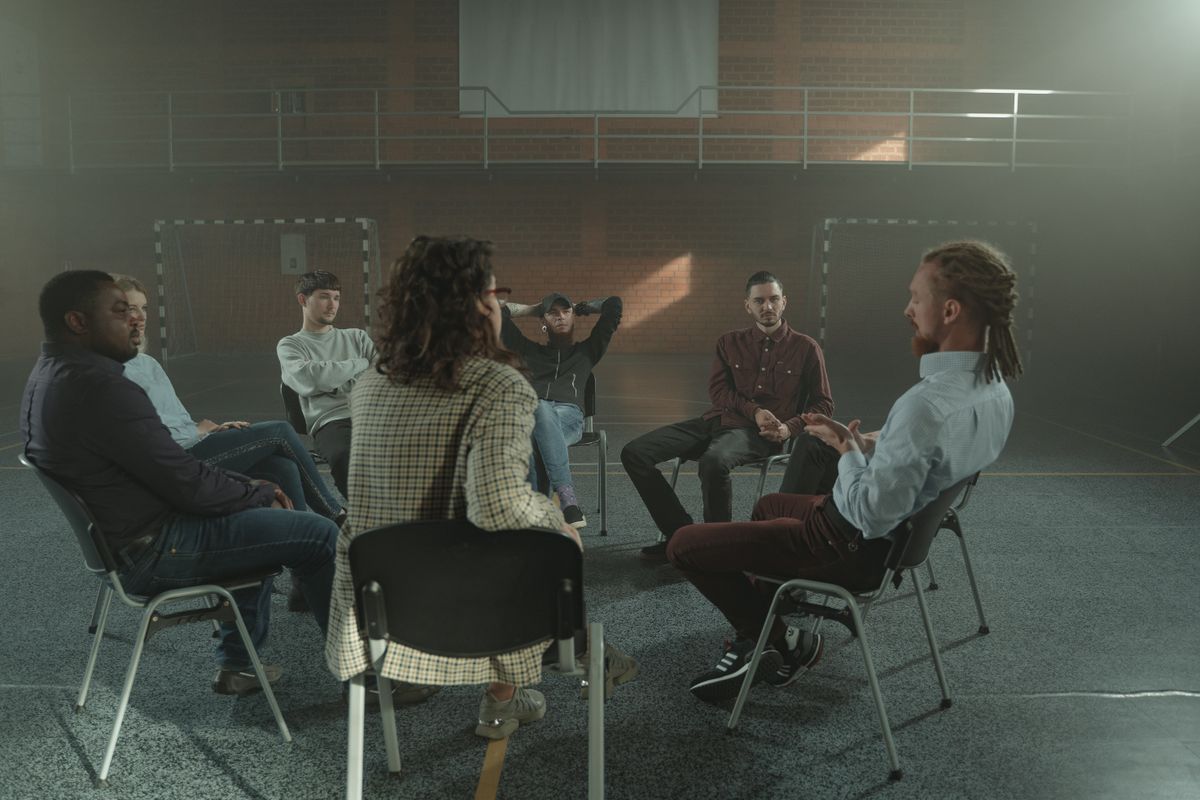
Evidence-based group treatment addresses the neurological and psychological dimensions of addiction, not just behaviors.
Not sure what treatment looks like? We can walk you through exactly what to expect.
Learn More: 804-655-0094Why Willpower Alone Has Real Limits
Willpower, sometimes called self-regulation, is a real cognitive capacity. But research consistently shows that it is limited, depletable, and significantly affected by biological state. Even for people without addiction, willpower is not an inexhaustible reservoir that guarantees success when applied with enough force.
For someone with alcohol addiction or drug dependency, the situation is compounded. The neurological changes described above mean that the prefrontal cortex governing self-control is already operating with reduced capacity. Asking someone in active addiction to "just use more willpower" is, from a neuroscience standpoint, a bit like telling someone with a broken leg to simply walk it off. The mechanism needed to comply is itself impaired.
This does not mean that personal agency plays no role in recovery. It absolutely does. Motivation, commitment, and a genuine desire for change are important parts of the recovery process. But those things work best when they are supported by evidence-based treatment, not expected to operate alone in the absence of any help.
People don't fail to recover because they don't try hard enough. Most people with addiction have tried to quit many times. What makes the difference is structured support, professional treatment, and community, not simply trying harder alone.
🔑 Key Takeaways
- Willpower is a real but limited cognitive resource, and it is reduced by the neurological effects of addiction.
- Personal motivation matters but cannot substitute for professional treatment and structured support.
- Most people with addiction have tried to stop on their own multiple times before seeking help.
- Recovery is most successful when motivation is supported by evidence-based care.
For Families
If your loved one has promised to stop dozens of times and keeps going back, that pattern is not evidence that they don't love you or don't mean it. It is evidence that their brain is fighting against them, and that they need more than willpower. They need help. There is a difference between what someone wants and what their brain allows them to do without support, and that distinction can save your relationship with them.
The Real Cost of Stigma
The moral failure model does not just cause emotional harm. It has measurable, documented consequences that affect whether people get better or not. When society frames addiction as a character problem rather than a health condition, the downstream effects include delayed treatment-seeking, inadequate healthcare responses, and policies that punish rather than heal.
According to NIDA's research on stigma and discrimination, the internalized belief that one should be able to handle addiction alone is a primary driver of the treatment gap. When people believe they are failing at a moral test, they are far less likely to reach out for help. Shame and guilt, rather than motivating change, most often deepen the cycle of use.
Stigma also affects the quality of care people receive. Research shows that healthcare providers who hold stigmatizing views toward people with addiction are less likely to offer evidence-based treatments. Pregnant women avoid disclosing substance use out of fear of judgment or losing parental rights. People in rural communities, already facing access barriers, are additionally deterred by fear of what their neighbors will think.
The SAMHSA 2024 data underscores this: 75.5% of people who did not seek treatment said they believed they should have been able to handle it themselves. That statistic is not a description of laziness or lack of effort. It is a portrait of what stigma does to people who are already suffering.

Individual therapy provides a private, non-judgmental space to begin working through the real factors driving substance use.
If you're wondering whether it's "bad enough" to get help, that question is worth exploring with someone who understands addiction.
Talk to a SpecialistIt's Not Character, It's Biology: Understanding Risk Factors
One of the clearest arguments against the moral failure model is the well-documented role of factors entirely outside a person's control in determining addiction risk. Genetics alone account for roughly 40 to 60 percent of a person's vulnerability to developing a substance use disorder, according to research from NIH. This means that two people can have near-identical life experiences, and one will develop addiction while the other does not, based largely on inherited biology.
Beyond genetics, several other factors shape risk in ways that have nothing to do with character or virtue. Early childhood trauma dramatically increases the likelihood of substance use disorders, largely because it alters the development of the very brain systems that regulate stress, emotion, and reward. Exposure to substances at a young age, before the brain is fully developed, significantly increases risk. Co-occurring mental health conditions like depression, anxiety, PTSD, and ADHD are strongly associated with higher rates of addiction, often because substances temporarily relieve symptoms that haven't been otherwise treated.
Addiction medicine specialists can predict with considerable accuracy who is at elevated risk for developing a substance use disorder by looking at five primary risk factors: genetics, mental health history, age of first use, trauma history, and environment. None of these are moral categories. None of them describe weakness or failure. They describe a complex health condition with identifiable biological and environmental inputs.
The same compassion we extend to someone managing diabetes or heart disease, conditions influenced by genetics, environment, and behavior, is the compassion we should extend to someone living with addiction. They are dealing with a health condition, not a character problem.
For Families
You may wonder if something you did caused this, or if addiction "runs in your family" and what that means. The honest answer is that risk factors are real, and so is the possibility of recovery. Knowing the risk factors allows families to respond with better information and to seek the kind of support that actually helps.

Peer support and community connection are evidence-based components of lasting recovery, not optional add-ons.
What Actually Helps: Treatment That Works
Understanding addiction as a brain disorder opens the door to a very different approach: one that treats it the way we treat other complex chronic conditions, with structured, professional, evidence-based care. And the evidence is clear that this approach works far better than willpower alone.
Effective residential addiction treatment addresses multiple layers simultaneously: the neurological patterns driving use, the underlying mental health conditions that often co-occur, the behavioral patterns that sustain the addiction cycle, and the relational and social factors that make recovery harder or easier. This is not a soft or speculative approach. It is informed by decades of clinical research and produces measurable outcomes.
At Williamsville Wellness, our approach reflects this understanding. We are an addiction rehabilitation center, not a medical facility, and we work alongside each person's existing healthcare providers to ensure their needs are met comprehensively. Our structured programming, from morning to evening, seven days a week, is built around the evidence for what actually supports lasting recovery. Our team, which you can learn more about on our meet our team page, brings both clinical expertise and lived experience to this work.
Whether someone is exploring outpatient treatment options or needs a more immersive residential program, the most important first step is getting an honest picture of what's happening and what level of support makes sense. Our FAQ page covers many of the common questions people have before reaching out.
🔑 Key Takeaways
- Evidence-based treatment addresses neurological, psychological, behavioral, and relational factors, not just substance use.
- Willpower and motivation play a role, but they work best within a structure of professional support.
- Treatment outcomes are significantly better than managing addiction alone or through sheer resolve.
- Treatment looks different for different people, and options exist across levels of care and intensity.
Families often start with a short phone call. We're here when you're ready, with no pressure and no judgment.
Call 804-655-0094Developing healthy coping mechanisms is another critical component of treatment. Rather than relying on substances to manage stress, pain, or difficult emotions, evidence-based therapy teaches practical skills for navigating those experiences. This work often benefits enormously from real-world examples, which is part of why hearing from people who've been through treatment can be so powerful for those considering it.
Recovery Is Real
One of the quiet harms of the moral failure model is that it makes recovery feel like it requires becoming a different kind of person, a stronger, more disciplined, more moral version of yourself. That framing is exhausting, and it is not accurate. Recovery does not require moral transformation. It requires appropriate support, honest self-awareness, time, and professional help.
The science on this is genuinely encouraging. The brain retains a substantial capacity for change throughout adulthood, a property called neuroplasticity. With sustained recovery, many of the neurological changes produced by addiction, including disruptions to the reward system and the prefrontal cortex, can gradually improve. This does not happen overnight, and recovery is not a linear process. But the brain's capacity to heal is real and well-documented.
Millions of people are living in long-term recovery right now, managing a meaningful life while navigating a chronic condition. Recovery does not mean the absence of all difficulty. It means having the tools, support, and understanding to manage life without substance use. Many people who once believed they were "too far gone," or who had internalized years of shame about their struggle, have found that getting the right help changed everything. Explore some of those stories at our addiction recovery stories page.
If you are reading this and carrying shame, or if you have a loved one who is, the most important thing to hold onto is this: addiction is not evidence of who you are. It is a condition that happened to you, shaped by factors including biology, environment, and brain chemistry that have nothing to do with your worth as a person.

Recovery opens new possibilities. With the right support, a different life is not just possible, it's happening for millions of people.
For Families
If you've been reading about your loved one's addiction while they're unaware, you are already doing something important. Understanding what addiction actually is, rather than what shame-based culture has told you it is, changes how you show up for someone you care about. The guidance for partners and spouses on our site was written for exactly this kind of moment.
What You Can Do Today
Whether you are personally struggling or supporting someone who is, there are concrete steps you can take right now that align with what the science says actually helps.
✅ What You Can Do Today
- Replace the phrase "they just need to want it more" with "they need the right kind of support." The language shift matters.
- If you have been putting off reaching out because you felt you should handle it yourself, call today. That barrier is the stigma talking.
- Read our addiction myths vs. facts page to replace more harmful misconceptions with accurate information.
- Review our insurance information so that cost uncertainty does not delay a conversation about treatment.
- If you are a family member, visit our guide for families and loved ones to understand how to help without enabling.
- Use our free sobriety support app and recovery tools as a starting point, even before formal treatment.
- Have a single, honest conversation, with yourself or a professional, about what is really going on. That conversation is where things start to change.
📖 You May Also Find Helpful
Addiction Treatment Myths vs. Facts
Separating truth from misconception about how recovery actually works.
Co-Occurring Disorders Treatment
How mental health and addiction interact, and why treating both matters.
Coping Mechanisms for Recovery
Practical tools to manage stress, cravings, and difficult emotions without substances.
How to Help a Loved One with Addiction
What actually helps, what doesn't, and how to care for yourself in the process.
Self-Compassion in Addiction Recovery
Learning to be kind to yourself during the recovery journey.
Free Recovery Tools
Access helpful resources to support your recovery journey.
Get Answers About Addiction Treatment
You don't have to have everything figured out before making a call. That's what we're here for.
📞 Call 804-655-0094No pressure, no judgment. Just real information about what recovery can look like for you or someone you love.
📚 References & Scientific Sources ▼
Clinical Research & Medical Sources
- Substance Abuse and Mental Health Services Administration. (2025, July 28). 2024 National Survey on Drug Use and Health (NSDUH). U.S. Department of Health and Human Services. https://www.samhsa.gov/newsroom/press-announcements
- National Institute on Drug Abuse. (2025, January). Drugs, Brains, and Behavior: The Science of Addiction. NIDA. https://nida.nih.gov/research-topics/addiction-science
- National Institute on Drug Abuse. (2025). Stigma and Discrimination. NIDA. https://nida.nih.gov/research-topics/stigma-discrimination
- Volkow, N. D., Koob, G. F., & McLellan, A. T. (2016). Neurobiologic advances from the brain disease model of addiction. New England Journal of Medicine, 374(4), 363-371.
- Heilig, M., MacKillop, J., Martinez, D., Rehm, J., Leggio, L., & Vanderschuren, L. J. (2021). Addiction as a brain disease revised: why it still matters, and the need for consilience. Neuropsychopharmacology, 46(10), 1715-1723. https://pmc.ncbi.nlm.nih.gov/articles/PMC8357831/
- National Association of Counties. (2025, August). SAMHSA releases new 2024 data on rates of mental illness and substance use disorder. https://www.naco.org/news
- Behavioral Health Business. (2025, July). SAMHSA: Treatment gap for SUDs widens in adults, remains high for youth. https://bhbusiness.com
- Substance Abuse and Mental Health Services Administration. (2024). Stigma Leads to Discrimination, a Barrier to Recovery. SAMHSA Publication No. PEP24-08-008. https://library.samhsa.gov
- American Society of Addiction Medicine. (2019). Definition of Addiction. ASAM. https://www.asam.org
- Leshner, A. I. (1997). Addiction is a brain disease, and it matters. Science, 278(5335), 45-47.
Important Note About Sources
This content is for educational purposes only and does not constitute medical advice. Research on addiction science continues to evolve. Consult with qualified healthcare professionals for personalized guidance about treatment and recovery options.