

Getting Your Driver's License Back After a DUI in Virginia
A comprehensive guide to license restoration, VASAP requirements, and navigating the reinstatement process
📚 What You'll Discover in This Guide
- What Happens Immediately After a DUI Arrest
- Understanding Administrative vs. Court-Ordered Suspensions
- Virginia-Specific License Suspension Periods
- The Virginia Alcohol Safety Action Program (VASAP)
- Applying for a Restricted License
- Ignition Interlock Device Requirements
- The Complete Reinstatement Process
- Financial Costs of License Restoration
- General Guidance for Other States
- Maintaining Your License After Reinstatement
A DUI arrest brings immediate, life-altering consequences—but perhaps none feels more devastating than losing your driver's license. For most people, driving isn't just convenience; it's essential for getting to work, taking care of family responsibilities, attending medical appointments, and maintaining the routines of daily life. The prospect of weeks, months, or even years without the ability to drive legally can feel overwhelming, especially when you're also navigating the stress of criminal charges, potential jail time, and financial penalties.
If you're facing license suspension after a DUI in Virginia, understanding the restoration process is crucial. Virginia has specific requirements—including the mandatory Virginia Alcohol Safety Action Program (VASAP), ignition interlock device installation, and multiple types of suspensions—that make the path to license reinstatement complex. However, with proper guidance and commitment to completing each required step, you can regain your driving privileges and move forward with your life.
This guide provides detailed information about license restoration after a DUI in Virginia, with general guidance applicable to other states. While we focus primarily on Virginia's specific requirements, many states follow similar processes, making this information valuable regardless of where your DUI occurred. Remember that this is educational information, not legal advice—always consult with a qualified DUI attorney for guidance specific to your situation.
Whether you're dealing with a first-offense DUI or facing more serious consequences from subsequent offenses, understanding what lies ahead allows you to take proactive steps toward restoration. Many people successfully navigate this process and regain their driving privileges—and with the right information and support, you can too. If the stress of dealing with DUI consequences is contributing to or worsening substance use issues, seeking support through alcohol addiction treatment can provide both immediate relief and long-term recovery strategies.
For families: If your loved one is facing DUI charges and license suspension, you're probably worried about how they'll manage daily responsibilities. This isn't just a legal problem—it's often connected to deeper issues with alcohol that need professional attention.
What Happens Immediately After a DUI Arrest
Understanding what occurs in the immediate aftermath of a DUI arrest helps you prepare for what's ahead. The moment a law enforcement officer arrests you for driving under the influence in Virginia (or any other state), a series of administrative and legal processes begins—many of which affect your ability to drive long before your criminal case goes to court.
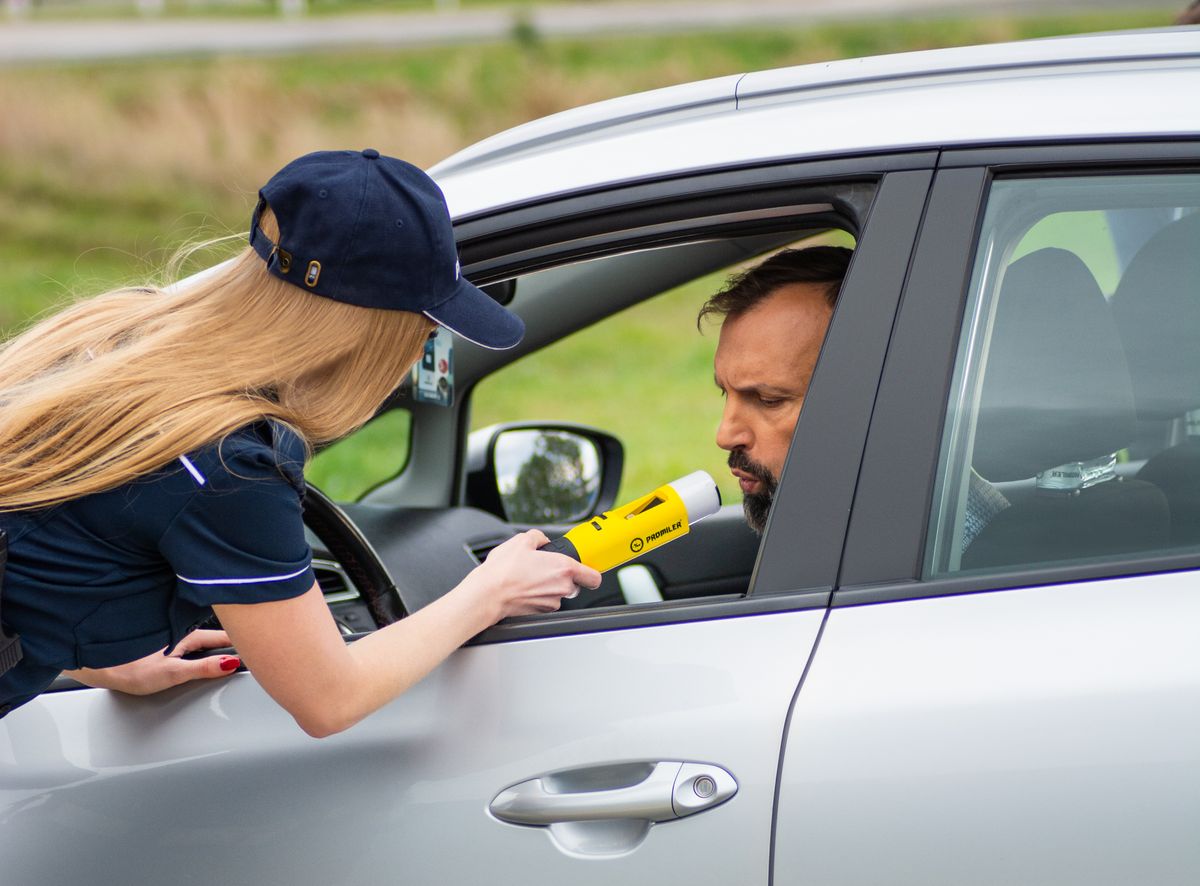
The immediate aftermath of a DUI arrest involves multiple administrative processes
At the time of your arrest, the officer will confiscate your physical driver's license. This happens regardless of whether you submit to chemical testing (breathalyzer or blood test) or refuse testing. The officer will then provide you with a temporary permit—typically a pink or yellow paper document—that allows you to continue driving for a limited period, usually between 7 and 30 days depending on your state.
According to Virginia DUI law, if your blood alcohol concentration (BAC) is 0.08% or higher, or if you refuse chemical testing, you face an immediate administrative license suspension. This is separate from any criminal penalties and begins automatically after the temporary permit expires.
Sources: Virginia DMV regulations and general state administrative license suspension timelines, as reported by DUI.org
⚖️ Important Legal Distinction
The administrative suspension that occurs immediately after arrest is completely separate from any court-imposed suspension following a DUI conviction. You can face both types of suspensions, and they may run consecutively rather than concurrently, potentially extending your total time without full driving privileges.
Virginia operates under "implied consent" law, which means that by driving on Virginia roads, you have implicitly agreed to submit to chemical testing if lawfully arrested for DUI. Refusing this test carries its own penalties—typically a longer administrative suspension than if you had submitted to testing and failed. For a first offense refusal in Virginia, you face a one-year administrative license revocation, compared to just seven days for submitting to testing with a BAC of 0.08% or higher.
Many people don't realize they can challenge the administrative suspension through a hearing, but you must act quickly. Most states, including Virginia, require you to request this hearing within a very short timeframe—often just 7 to 10 days after your arrest. Missing this deadline means automatically accepting the administrative suspension. If you're struggling with alcohol use that led to the DUI, this might be a signal that you need professional support through residential treatment to address underlying issues.
If you're reading this in the first few days after your arrest, contact a DUI attorney immediately. Time-sensitive opportunities to challenge suspensions expire quickly.
Understanding Administrative vs. Court-Ordered Suspensions
One of the most confusing aspects of DUI license suspension is understanding that you face two entirely separate suspension processes: administrative (also called civil) suspension handled by the Department of Motor Vehicles, and court-ordered (criminal) suspension imposed as part of your DUI conviction sentence. These are not interchangeable terms for the same thing—they are distinct legal proceedings with different timelines, procedures, and consequences.
Administrative License Suspension (ALS) is a civil penalty imposed by the DMV immediately following your DUI arrest. This suspension is based solely on the arrest itself and the officer's report—it does not require a criminal conviction. The DMV acts independently of the court system, basing its decision on whether the officer had probable cause to arrest you and whether you either failed chemical testing (BAC 0.08% or higher) or refused to submit to testing.
The administrative suspension serves a public safety purpose: to immediately remove from the roads drivers who have demonstrated impaired driving, without waiting for the slow process of criminal prosecution. According to the National Highway Traffic Safety Administration (NHTSA), administrative license suspension laws have been shown to reduce alcohol-related fatal crashes by approximately 5-9%.

Understanding the two types of suspensions requires guidance from an experienced attorney
Court-Ordered Suspension is a criminal penalty imposed by the court only if you are convicted of DUI (either through a guilty plea or guilty verdict at trial). This suspension is part of your criminal sentence and typically lasts much longer than the administrative suspension. The court has discretion in setting certain terms of this suspension, including potentially granting restricted driving privileges.
Here's where it gets particularly complex: both suspensions can apply to the same DUI incident, and they don't always overlap in a way that reduces your total suspension time. In Virginia, for example, you serve the seven-day administrative suspension first. Then, if convicted, you serve a separate one-year court-ordered suspension. However, some of this time may be eligible for restricted license privileges, depending on your circumstances and whether you complete required programs.
Arrest Triggers Administrative Suspension
DMV receives officer's report and automatically initiates suspension based on BAC 0.08%+ or testing refusal. This begins after your temporary permit expires (typically 7-30 days after arrest).
Criminal Case Proceeds Separately
While serving administrative suspension, your criminal DUI case moves through the court system. This can take weeks or months depending on your jurisdiction and whether you go to trial.
Conviction Triggers Court Suspension
If convicted, the court imposes an additional license suspension as part of criminal sentencing. This suspension may begin after the administrative suspension ends or may overlap with remaining administrative suspension time.
Complete All Requirements for Both
To fully restore your license, you must satisfy all requirements from both the administrative and criminal proceedings, including fines, programs, and waiting periods.
The distinction between these two types of suspensions matters because each has its own requirements for restoration, its own appeals process, and its own timeline. You cannot simply "serve one suspension that covers both"—instead, you must navigate both systems simultaneously, completing all requirements from each to ultimately restore your full driving privileges.
For individuals struggling with alcohol use disorder that led to the DUI, understanding these legal processes while also addressing the underlying addiction is crucial. Our co-occurring disorders treatment can help you address both the legal consequences and the health issues that contributed to them.
Virginia-Specific License Suspension Periods
Virginia imposes mandatory license suspension periods that vary based on whether this is your first DUI offense or if you have prior convictions. Understanding these specific timeframes helps you plan for what lies ahead and ensures you meet all requirements within the appropriate windows.
First Offense DUI: For your first DUI conviction in Virginia, you face a one-year license revocation. However, this doesn't mean you cannot drive at all for the entire year. After completing certain requirements (which we'll discuss in detail below), you may be eligible for a restricted license that allows you to drive to specific locations like work, school, medical appointments, and VASAP meetings. The initial seven-day administrative suspension cannot be restricted—you simply cannot drive during this period for any reason.
Second Offense DUI (within 10 years): A second DUI conviction within 10 years of your first results in a three-year license revocation. You must wait a minimum period before becoming eligible for restricted driving privileges—this waiting period depends on how soon the second offense occurred after the first. If your second DUI is within five years of the first, you must wait one year before applying for a restricted license. If the second offense is between five and ten years after the first, you must wait four months before restricted license eligibility.
Third or Subsequent Offense: A third DUI conviction within 10 years results in indefinite license revocation. This means your driving privileges are terminated, potentially permanently. You may petition the court for restricted driving privileges after three years, but restoration of full unrestricted driving privileges may require waiting five years or more and meeting stringent requirements, including demonstrating that you no longer pose a threat to public safety.
⚠️ Critical Virginia Law Detail
Virginia DUI convictions count against you for 10 years, not the typical five years used in many other states. This means that a DUI from nine years ago still counts as a prior conviction if you're arrested for a second DUI, resulting in substantially harsher penalties than if it were treated as a first offense.
According to Virginia law, the suspension period for refusing a breathalyzer or blood test runs separately from any suspension for DUI conviction. If you both refused testing and were convicted of DUI, you could face consecutive suspensions—the refusal suspension must be served first, followed by the conviction suspension. This can significantly extend your total time without full driving privileges.

Understanding suspension timelines helps you plan your path to license restoration
📅 Timeline Planning
For a first-offense DUI in Virginia where you submitted to testing with BAC 0.08%+, your complete timeline looks like this: 7-day administrative suspension (no driving), then immediately begin working on restricted license application while serving the 1-year court-imposed suspension, during which you may drive with restrictions after meeting requirements.
Special considerations apply for certain aggravating factors. If your DUI involved a minor passenger (17 or younger) in the vehicle, you face an additional mandatory five-day jail sentence and enhanced license suspension penalties. If your BAC was particularly high (0.15% or above), you face mandatory minimum jail time that increases with BAC level, though this doesn't directly extend license suspension periods beyond the standard timeframes.
These suspension periods represent the baseline requirements. Completing them does not automatically restore your license—you must also fulfill all other reinstatement requirements, including VASAP completion, paying all fines and fees, obtaining SR-22 insurance, and in most cases, installing an ignition interlock device. We'll explore each of these requirements in detail throughout this guide. If you're facing multiple DUI charges and recognize that alcohol has taken control of your life, our flexible residential treatment program can provide the support you need to address the root causes.
The Virginia Alcohol Safety Action Program (VASAP)
VASAP (Virginia Alcohol Safety Action Program), also called ASAP (Alcohol Safety Action Program), represents one of the most critical requirements for license restoration after a DUI conviction in Virginia. Successful completion of VASAP is mandatory for all first and second-offense DUI convictions—there are no exceptions to this requirement. Understanding what VASAP entails, how to complete it successfully, and what happens if you fail to comply can make the difference between timely license restoration and extended suspension.
According to Virginia Code § 18.2-271.1, anyone convicted of a first or second offense DUI must be ordered to enter and complete VASAP. The court makes this a condition of any suspended jail time, meaning that failure to complete VASAP can result in the imposition of previously suspended jail sentences. Additionally, the Virginia DMV will not reinstate your license—even after your suspension period ends—until you provide proof of VASAP completion.
What is VASAP? VASAP is a comprehensive probationary program that focuses on substance abuse education and its effects on driving safety and health. The program aims to reduce recidivism by providing intervention, education, and treatment referrals tailored to each participant's needs. VASAP is administered through local offices throughout Virginia, and you must enroll in the VASAP office serving the jurisdiction where you were arrested or convicted.
Intake and Assessment
Your first step is calling the designated VASAP office to schedule an intake appointment. During intake, a case manager conducts a detailed interview about your offense, substance use history, and personal circumstances. You'll complete paperwork and may undergo drug/alcohol screening. The case manager determines your risk level and classifies you into the appropriate program level.
Education Classes
All participants must complete alcohol/drug education classes through VASAP-approved providers. The minimum requirement is typically 20 hours of classes (usually ten 2-hour sessions held weekly). Depending on your BAC level, prior record, and assessment results, you may be required to complete more extensive education or treatment programs.
Treatment (if required)
Based on your assessment, your case manager may require you to participate in substance abuse treatment in addition to education classes. This could range from outpatient counseling to more intensive treatment programs. If treatment is required, you must attend all sessions and demonstrate compliance.
Case Management and Monitoring
Throughout your time in VASAP, your case manager monitors your progress, tracks attendance, may conduct random drug/alcohol testing, and provides a list of approved ignition interlock device vendors. You must maintain regular communication with your case manager and report any changes in circumstances.
Completion and Certification
Once you've fulfilled all requirements and paid all fees, VASAP provides a completion certificate that you must submit to the court and DMV. Keep multiple copies of this certificate for your records. Completion typically takes 4-6 months for first offenders, longer if treatment is required.
The cost of VASAP is significant and must be paid by the participant. According to the Commission on VASAP, enrollment fees are $300, plus an additional $100 intervention fee. Education classes cost approximately $100-150 extra, depending on the provider. If treatment is required, additional costs can be substantial. Payment plans are available for those who cannot afford to pay upfront, but all fees must be paid before you can receive your completion certificate.

VASAP education classes provide critical information about substance use and driving safety
⚠️ Consequences of VASAP Non-Compliance
Violating VASAP requirements—through missed classes, failed drug tests, non-payment, or other non-compliance—has serious consequences. Your case manager will report violations to the court, potentially triggering a show cause hearing where you must explain why you shouldn't be incarcerated for violating probation. Additionally, any restricted license privileges may be immediately revoked.
Can You Pre-Enroll in VASAP? Yes, and in many cases it's advantageous to do so. You can enroll in VASAP after being charged with DUI but before your trial. Pre-enrollment demonstrates to the judge that you're taking the charges seriously and being proactive about addressing the underlying issues. Additionally, pre-enrolling qualifies you for earlier installation of an ignition interlock device, potentially allowing you to obtain a restricted license sooner after conviction.
For those serving in the military, special accommodations exist. Active duty military members may attend military substance abuse education programs like SARP IMPACT or PRIME FOR LIFE in lieu of VASAP intensive education classes, though they must still attend the four-week VASAP treatment education classes unless operational orders prevent attendance.
If the issues that led to your DUI stem from untreated alcohol use disorder, completing VASAP is necessary for legal requirements, but it may not be sufficient to address deeper addiction issues. Consider supplementing VASAP with comprehensive treatment through programs like our outpatient treatment services that can provide ongoing support beyond what VASAP offers.
📋 What You Can Do This Week
- ☐ Locate your local VASAP office using the Commission on VASAP website
- ☐ Call to schedule your intake appointment (don't wait for court order if you've been convicted)
- ☐ Gather required documentation: court paperwork, identification, insurance information
- ☐ Arrange transportation to VASAP appointments (you cannot drive during suspension)
- ☐ Set up a payment plan if you cannot afford upfront fees
Applying for a Restricted License
While full driving privileges remain suspended after a DUI conviction, Virginia law allows most first and second-time offenders to apply for a restricted license that permits driving to specific approved locations. A restricted license doesn't restore your full freedom to drive anywhere, anytime—but it does allow you to maintain employment, attend school, keep medical appointments, fulfill family obligations, and attend required court programs like VASAP.
Understanding when you're eligible for a restricted license, what driving it permits, and how to apply successfully is essential for maintaining normalcy in your life during the suspension period. For a first-offense DUI in Virginia, you may apply for a restricted license immediately after the initial seven-day administrative suspension ends, provided you meet all other requirements.
What Can You Drive For with a Restricted License? Virginia restricted licenses typically permit driving to and from:
• Your place of employment and work-related travel during employment hours
• Educational institutions where you're enrolled
• Places of worship
• VASAP meetings, classes, and treatment appointments
• Medical appointments for you or your immediate family members
• Court-ordered visitation with children
• Ignition interlock service appointments
• Emergencies (though you should contact law enforcement for assistance when possible)
The restricted license does NOT permit recreational driving, social outings, shopping for non-essentials, or any driving not directly related to the approved categories. Violating these restrictions—even once—can result in immediate revocation of your restricted license and additional criminal charges for driving on a suspended license.

A restricted license allows you to maintain essential responsibilities during suspension
Requirements for Obtaining a Restricted License in Virginia:
According to the Virginia DMV, you must satisfy all of the following requirements before receiving a restricted license:
1. Complete or enroll in VASAP: You must be enrolled in VASAP and in good standing with your case manager. For restricted license purposes, you don't need to have completed VASAP yet, but you must have begun the program and be complying with all requirements.
2. Pay the reinstatement fee: The reinstatement fee for a DUI-related suspension in Virginia is $220, though it may be higher if you have other violations on your record. This fee must be paid before the DMV will process your restricted license application.
3. Obtain SR-22 insurance certification: You must file an SR-22 certificate of financial responsibility with the Virginia DMV, proving you carry minimum liability insurance coverage. This is a special form filed by your insurance company—not a separate type of insurance—but expect your insurance rates to increase substantially.
4. Install an ignition interlock device: Virginia law requires an ignition interlock device for all DUI-related restricted licenses, even for first offenses. The device must be installed on every vehicle you own or regularly operate before the DMV will issue your restricted license.
5. Receive court approval: The court must issue an order granting restricted driving privileges. Your attorney typically helps petition for this order, specifying the locations and times you're permitted to drive.
💰 Financial Reality Check
The total cost of obtaining and maintaining a restricted license typically exceeds $1,500-2,000 when you factor in the $220 reinstatement fee, VASAP fees ($400-500+), ignition interlock installation and monthly fees ($70-150/month), increased insurance premiums, and attorney fees. Budget accordingly and ask about payment plans where available.
For second-offense DUI within 10 years, the waiting period before restricted license eligibility depends on timing: if your second DUI occurred within five years of the first, you must wait one year before applying for a restricted license. If between five and ten years, you must wait four months. The same basic requirements apply, though your case manager may require more extensive treatment completion before supporting your restricted license application.
Third-offense DUI offenders face indefinite license revocation and must petition the court for any driving privileges. This typically requires waiting at least three years, demonstrating substantial rehabilitation, completing extensive treatment, and convincing the court you no longer pose a public safety threat. Many people in this situation benefit significantly from comprehensive alcohol addiction treatment that addresses the underlying issues leading to repeated DUI offenses.
Wondering if this process applies to your situation? Every case has unique factors. Sometimes just having a conversation with someone who understands both the legal requirements and the recovery journey can bring clarity about your path forward.
Ignition Interlock Device Requirements
The ignition interlock device (IID) represents one of the most significant requirements for obtaining a restricted license or reinstating your full license after a DUI in Virginia. This technology prevents vehicle operation if it detects alcohol on your breath, providing a mechanical safeguard that has been proven effective in reducing repeat DUI offenses. Understanding how ignition interlocks work, Virginia's specific requirements, and how to successfully complete your interlock period is essential for license restoration.
What is an Ignition Interlock Device? An IID is a breathalyzer installed in your vehicle, connected to the ignition system. Before starting the vehicle, you must provide a breath sample. If the device detects a blood alcohol concentration above the preset limit (typically 0.02% or 0.025%), the vehicle will not start. While driving, the device requires periodic "rolling retests" where you must provide additional breath samples to prove continued sobriety. If you fail a rolling retest, the device triggers alarms (horn honking, lights flashing) until you turn off the vehicle.
According to research from the Centers for Disease Control and Prevention (CDC), ignition interlock devices reduce repeat DUI offenses by approximately 70% while installed, and continue to reduce recidivism by 39% after removal—demonstrating their effectiveness in preventing drunk driving.
⚠️ Virginia's Universal Interlock Requirement
Virginia is one of few states that requires ignition interlock devices for ALL DUI offenders, even first-time offenders with low BAC levels. There are no exceptions based on BAC level or circumstances of arrest. If you want any driving privileges during suspension or want to reinstate your license, you must have an interlock device installed.
Virginia Ignition Interlock Requirements:
First Offense: Minimum six-month interlock requirement for restricted license. If your BAC was below 0.15%, the interlock is required only during the restricted license period (typically up to 12 months). Once your suspension period ends and you complete all other requirements, you can petition for full license restoration without interlock.
Second Offense: Minimum 2-4 year interlock requirement, even after your suspension period ends and full license is restored. The exact duration depends on how soon the second offense occurred after the first.
Third Offense: Lifetime interlock requirement if you're able to restore any driving privileges. Even if you successfully petition for license restoration after years of revocation, you'll be required to maintain an ignition interlock device indefinitely on all vehicles you own or operate.
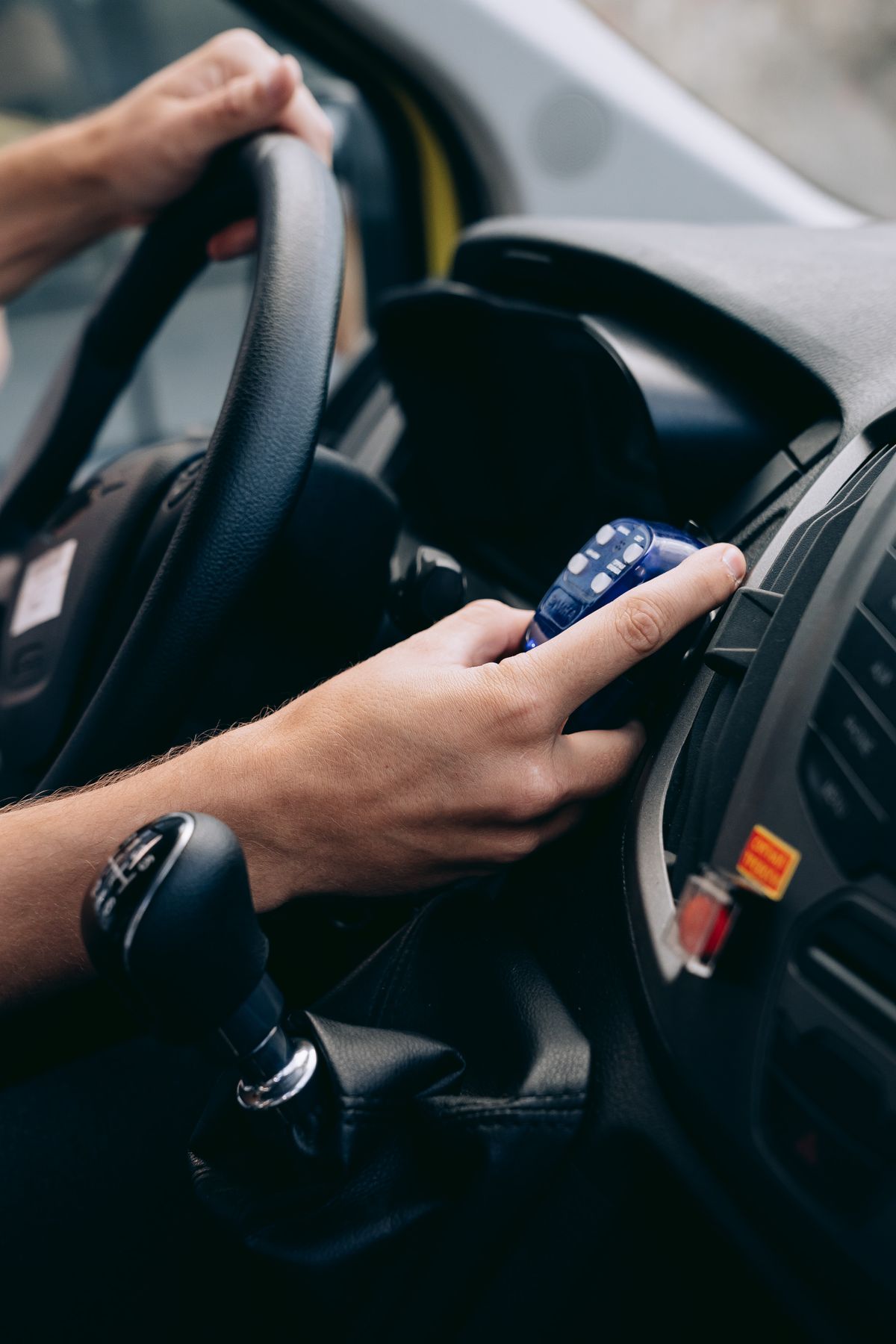
Ignition interlock devices provide mechanical prevention of drunk driving
Installation and Maintenance: Your VASAP case manager provides a list of state-approved ignition interlock vendors. You must choose from this list—devices installed by non-approved vendors will not satisfy Virginia requirements. Installation typically costs $70-150, with monthly monitoring fees of $70-150. You're responsible for all costs associated with the device.
The device must be installed on every vehicle you own, operate, or have access to. If you purchase a new vehicle during your interlock period, you must notify your VASAP case manager immediately and have an interlock installed within 10 calendar days or face license suspension. For employer-owned vehicles, you must complete an Employer Vehicle Verification Form with notarized employer signature to drive company vehicles without interlock, provided you have no ownership interest in the business.
Compliance and Violations: The interlock device records every test (pass or fail), every attempt to start the vehicle, and every instance of tampering or circumvention attempts. This data is downloaded during monthly service appointments and shared with VASAP and the court. Common violations that can extend your interlock requirement or result in additional penalties include:
• Failed startup tests (attempting to drive with alcohol on breath)
• Skipped rolling retests while driving
• Missed service appointments
• Tampering with the device or attempting to circumvent it
• Having another person blow into the device
• Operating a vehicle without an installed interlock
Even minor violations can have serious consequences. Multiple startup failures suggest continued alcohol use and may trigger additional VASAP requirements or treatment referrals. Intentional circumvention (like having someone else provide breath samples) constitutes fraud and can result in criminal charges.
🔧 Practical Tips for Interlock Success
Use mouthwash and breath products without alcohol. Many common hygiene products contain alcohol that can cause false readings. Wait 15-20 minutes after eating or using any oral products before providing a breath sample. Keep service appointments on time—they're required monthly and you cannot use your vehicle past the service due date until completed.
If repeated interlock violations suggest an ongoing struggle with alcohol use, this may indicate a need for more comprehensive support than VASAP alone provides. Many people find that addressing the underlying addiction through professional treatment—like our alcohol addiction treatment programs—makes compliance with interlock requirements much easier and supports long-term recovery beyond just legal requirements.
The Complete Reinstatement Process
After you've completed your suspension period, VASAP program, and interlock requirement, you still don't automatically get your license back. License reinstatement requires proactively completing several final steps and demonstrating to the Virginia DMV that you've satisfied every requirement. Understanding this final process prevents delays and ensures you can legally drive again as soon as you're eligible.
Step 1: Verify Completion of All Requirements
Before applying for reinstatement, confirm you've completed everything the DMV requires. Request a "compliance summary" from the Virginia DMV, which outlines all requirements you must satisfy for your specific situation. This personalized document serves as your roadmap, showing which requirements remain outstanding and which you've completed. You can request a compliance summary online through the DMV website or by visiting a DMV customer service center.
Your compliance summary will typically list requirements such as:
• Completion of full suspension period
• VASAP completion certificate on file
• All fines and court costs paid
• DMV reinstatement fee paid
• SR-22 insurance on file with DMV
• Ignition interlock requirement completed (if applicable)
• Proof of identity, residency, and legal presence provided
Step 2: Complete VASAP and Submit Proof
Ensure your VASAP case manager has notified the DMV of your program completion. Keep your original VASAP completion certificate in a safe place—you may need it for insurance purposes or future reference. The DMV should receive electronic notification, but having your physical certificate provides backup documentation if there are any administrative issues.
Step 3: Maintain SR-22 Insurance
Your SR-22 certificate must remain on file with the DMV not just during suspension, but typically for three years from your conviction date or license reinstatement date (whichever is later). If your insurance lapses at any point during this period, your insurance company notifies the DMV and your license will be automatically suspended again. Do not let your SR-22 insurance lapse—set up automatic payments and regular reminders.

Successfully completing all requirements brings relief and freedom to rebuild your life
Step 4: Pay All Fees
The DMV charges a reinstatement fee ranging from $145 to $220 depending on the nature of your suspension. For DUI-related suspensions, expect to pay the full $220. This is separate from any fines, court costs, or VASAP fees you've already paid. You can pay reinstatement fees online, by mail, or in person at a DMV customer service center.
Step 5: Complete Required Testing (If Applicable)
For some revocations (particularly third offenses or extended revocations), the DMV may require you to retake the knowledge exam, road skills test, or both. Check your compliance summary to see if testing is required. If so, schedule these tests before your expected reinstatement date, as testing appointments may have weeks-long wait times.
Step 6: Visit DMV in Person or Complete Online
Some reinstatement requirements can be satisfied online through the DMV website, while others require an in-person visit to a customer service center. You must provide proof of identification, residency, and legal presence in person if required by your compliance summary. Bring all documentation with you: VASAP completion certificate, proof of insurance, proof of interlock removal (if applicable), payment for fees, and any court orders related to your case.
⏰ Timeline Expectations
Even after you've completed everything, processing can take several days to several weeks depending on DMV workload and whether all your documentation is in order. Plan ahead—don't wait until the last day of your suspension to start the reinstatement process, or you may face additional weeks without legal driving privileges while paperwork processes.
For Second and Third Offenses: The reinstatement process is similar but more complex. Second-offense DUI requires maintaining the ignition interlock device even after full license reinstatement, typically for 2-4 years total. Third-offense DUI requires petitioning the court for license restoration after the minimum revocation period, demonstrating substantial rehabilitation, and potentially maintaining lifetime interlock requirements.
For those facing extended revocations due to multiple DUI offenses, this extended period without full driving privileges can feel overwhelming. However, it also presents an opportunity for genuine transformation. Many people use this time to commit fully to recovery, addressing not just the legal consequences but the underlying alcohol use disorder. Our recovery stories feature individuals who turned DUI consequences into catalysts for lasting positive change.
If completing all these requirements while managing daily life feels overwhelming, you're not alone. Many people benefit from having support systems in place during this process.
Financial Costs of License Restoration
The financial burden of a DUI extends far beyond the initial fine. When you factor in all the costs associated with license restoration—from attorney fees to insurance increases to ignition interlock maintenance—the total price tag typically ranges from $5,000 to $15,000 or more for first offenders, with substantially higher costs for subsequent offenses. Understanding these expenses helps you budget realistically and avoid surprises that could delay your license restoration.
Sources: General estimates based on Virginia DUI costs and insurance industry data
Breakdown of License Restoration Costs:
Legal Fees: Most people hire a DUI attorney to navigate both the criminal case and license restoration process. Attorney fees for first-offense DUI representation typically range from $2,500 to $5,000, potentially much higher for complex cases or trial representation. While this seems expensive, experienced attorneys often achieve better outcomes that can save money in the long run through reduced fines, shorter suspensions, or more favorable plea agreements.
Court Fines and Costs: Virginia imposes mandatory minimum fines of $250 for first-offense DUI, but total court costs including various fees typically reach $500-1,000 or more. These must be paid in full before license reinstatement.
VASAP Fees: As discussed earlier, VASAP enrollment costs $300, intervention fees add $100, education classes cost $100-150, and any required treatment adds substantially more. Total VASAP-related costs typically range from $500 to $1,500+ depending on your assessment results.
DMV Reinstatement Fee: $220 for DUI-related suspension in Virginia.
Ignition Interlock Costs: Installation runs $70-150, monthly monitoring fees cost $70-150, and you'll pay for 6-12 months minimum (first offense) or 2-4+ years (subsequent offenses). Budget $1,000-2,500+ for first offense interlock requirements, potentially $5,000-10,000+ for extended interlock periods on second or third offenses.
Insurance Increases: This represents the most significant ongoing cost. SR-22 filing itself costs $15-50, but the requirement to carry SR-22 typically triggers substantial premium increases. Your insurance rates may double or triple, costing an additional $1,000-3,000 per year for 2-3 years. Some insurance companies won't insure drivers with DUI convictions, forcing you to high-risk insurance pools with even higher rates.
Lost Income: Don't forget to factor in indirect costs like lost income from missed work for court appearances, VASAP classes, and DMV visits, plus potential job loss if you cannot drive to work during suspension.
⚠️ Payment Plans and Financial Hardship
Many organizations offer payment plans for their fees. VASAP typically works with participants who cannot afford upfront payment. Some attorneys offer payment plans. Courts may allow community service in lieu of some fines if you demonstrate financial hardship. Ask about these options—failing to complete requirements due to inability to pay still results in extended suspension and additional penalties.
For individuals already struggling financially, these costs can feel crushing. However, compare them to the continuing costs of active addiction: the money spent on alcohol, DUI-related expenses multiplied by additional offenses, potential job loss from continued substance use, health problems requiring medical treatment, and relationship costs. Many people find that investing in comprehensive addiction treatment actually saves money long-term by preventing future DUIs and addressing the root cause of these expensive legal consequences.
For families: The financial costs of a DUI can strain family budgets significantly. While paying these costs is necessary, also consider the cost of not addressing the underlying alcohol problem—which often leads to additional DUIs and multiplied expenses. Learn about our insurance coverage for treatment.
General Guidance for Other States
While this guide focuses primarily on Virginia's specific requirements, many other states follow similar processes for license restoration after DUI. Understanding the general framework applicable nationwide helps you navigate your situation regardless of where your DUI occurred.
Common Elements Across Most States:
Administrative License Suspension: Nearly all states impose immediate administrative license suspension if you're arrested for DUI with BAC 0.08% or higher, or if you refuse chemical testing. Suspension lengths vary by state but typically range from 30 days to one year for first offenses, with longer periods for subsequent offenses or testing refusal.
Implied Consent Laws: All 50 states have implied consent laws, meaning you've agreed to chemical testing by driving on public roads. Refusal carries penalties separate from DUI conviction penalties, typically including longer license suspensions than if you had submitted to testing and failed.
DUI Education Programs: Most states require completion of DUI education programs similar to Virginia's VASAP. These may be called different names—VASAP, MADD programs, DWI schools, or substance abuse education classes—but serve similar purposes: education about alcohol's effects on driving, assessment of substance use patterns, and referral to treatment when needed.
Ignition Interlock Devices: An increasing number of states now require ignition interlock devices for all DUI offenders. According to the Mothers Against Drunk Driving (MADD), as of 2024, 33 states have all-offender interlock laws requiring devices even for first-time offenders. The duration and specific requirements vary by state.
SR-22 or FR-44 Insurance: Most states require high-risk insurance certificates (SR-22 in most states, FR-44 in Virginia and Florida) proving you carry minimum liability coverage. This requirement typically lasts 2-3 years from conviction or license reinstatement.
Significant State-by-State Variations:
Despite these common elements, important differences exist:
Suspension Lengths: First-offense DUI suspensions range from 90 days (states like Montana and Pennsylvania) to one year (states like Virginia, North Carolina, and others). Second-offense suspensions vary even more dramatically, from six months to permanent revocation.
Hardship/Restricted License Eligibility: Some states allow immediate eligibility for restricted licenses, while others impose hard suspension periods of 30-90 days during which no driving is permitted for any reason. The permitted uses for restricted licenses also vary—some states are much more restrictive than Virginia about approved destinations.
Look-Back Periods: States count prior DUI convictions for enhanced penalties for different periods. Most states use a 5-10 year look-back period, but some (like Georgia) count all DUIs forever, while others (like Washington) use variable periods depending on circumstances.
BAC Thresholds: While 0.08% is the standard BAC limit nationwide, some states impose enhanced penalties at 0.15% or 0.20%, while others have lower thresholds for certain categories of drivers (commercial drivers, drivers under 21).
🗺️ Finding State-Specific Information
To find requirements specific to your state, visit your state's DMV website and search for "DUI license suspension" or "DUI reinstatement." Most state DMVs provide detailed guides. You can also consult with a local DUI attorney who understands your state's specific laws and can guide you through the process efficiently.
Regardless of which state's requirements you're navigating, the underlying challenge often remains the same: addressing the alcohol use that led to the DUI in the first place. Without addressing this root cause, you may find yourself facing the same consequences repeatedly. Our treatment programs serve individuals from various states, helping them address not just the legal consequences but the deeper issues with alcohol.
Maintaining Your License After Reinstatement
Successfully navigating the license restoration process represents a significant achievement—but your responsibilities don't end once you receive your reinstated license. Maintaining your driving privileges requires ongoing attention to several requirements and, more importantly, addressing the factors that led to the DUI in the first place.
Continue Meeting All Ongoing Requirements: Remember that several DUI-related requirements extend beyond the initial reinstatement:
• SR-22 Insurance: Must remain continuously on file for 3 years from conviction or reinstatement. If coverage lapses even briefly, automatic suspension occurs.
• Ignition Interlock (Second/Third Offenses): Must remain installed and functioning for 2-4 years (second offense) or indefinitely (third offense), with monthly service appointments and compliance monitoring.
• Probation Terms: Court-ordered probation may extend 1-3 years, with specific requirements like random drug/alcohol testing, continued treatment, or other conditions you must satisfy.
Missing any of these ongoing requirements can result in immediate re-suspension of your license, potentially starting the entire restoration process over from the beginning. Set calendar reminders for insurance renewals, interlock service appointments, and probation check-ins.
Address the Underlying Issue: Perhaps most importantly, maintaining your license requires addressing the relationship with alcohol that led to the DUI. Statistics show that approximately 1 in 3 people arrested for DUI are repeat offenders—meaning they've been arrested for DUI before. This pattern suggests that simply serving the legal consequences without addressing underlying alcohol use disorder sets people up for repeated cycles of arrest, suspension, and reinstatement.
Consider whether your DUI represents an isolated mistake or a symptom of a larger pattern with alcohol. Warning signs that professional help might be beneficial include:
• This is not your first DUI or alcohol-related legal consequence
• You've tried to cut back on drinking before but been unable to do so
• Family members or friends have expressed concern about your drinking
• You sometimes drink more than you intended or have difficulty stopping once you start
• You've experienced other negative consequences from drinking (relationship problems, work issues, health concerns)
• You feel anxious or uncomfortable when you go periods without drinking
If any of these resonate with you, this may be an opportunity for transformation beyond just license restoration. Professional treatment provides tools, support, and structure for addressing alcohol use patterns in ways that VASAP alone typically cannot provide. Many people look back on their DUI as the turning point that led them to seek help and ultimately transform their lives.

License restoration opens the door to rebuilding your life with renewed purpose
Build a Support System: Whether or not you pursue formal addiction treatment, building a strong support system helps maintain both your license and your sobriety. This might include:
• Regular participation in mutual support groups like AA, SMART Recovery, or similar organizations
• Ongoing counseling or therapy to address underlying stress, trauma, or mental health concerns that may contribute to drinking
• Accountability partners who support your commitment to sobriety
• Lifestyle changes that reduce exposure to drinking situations and triggers
• Development of healthy coping mechanisms for stress, anxiety, or other difficult emotions
Many people find that the structure and accountability of intensive outpatient treatment provides the level of support they need while still maintaining work and family responsibilities.
Driving Safely and Responsibly: After license reinstatement, make specific plans for how you'll ensure you never drive under the influence again:
• Commit to never drinking and driving, regardless of the amount or how "fine" you feel
• Establish alternative transportation plans for any situation where drinking might occur (designated drivers, ride-sharing apps, staying overnight)
• Consider whether certain social situations or relationships enable drinking behaviors and make changes accordingly
• If you have an interlock device, use each successful start as a reminder of your commitment to safety
Remember that the ignition interlock requirement (where applicable) eventually ends, but your commitment to never driving impaired must extend for a lifetime. The device provides mechanical prevention, but lasting change requires internal commitment.
📋 Maintaining Your License: Ongoing Checklist
- ☐ Set up automatic renewal for SR-22 insurance to prevent lapses
- ☐ Schedule recurring calendar reminders for monthly interlock service (if applicable)
- ☐ Keep all court documents, VASAP completion certificates, and reinstatement paperwork in safe location
- ☐ Establish alternative transportation plans for any situations involving alcohol
- ☐ Consider ongoing support through counseling, support groups, or treatment if alcohol remains a concern
- ☐ Mark calendar for when SR-22 requirement expires (typically 3 years from reinstatement)
💡 Key Takeaways
- ✓ Two types of suspensions: Administrative (DMV) and court-ordered suspensions are separate processes with different requirements.
- ✓ VASAP is mandatory: In Virginia, all first and second-offense DUI convictions require completing VASAP—there are no exceptions.
- ✓ Ignition interlock required: Virginia requires interlock devices for all DUI offenders, even first-time offenders with low BAC.
- ✓ Restricted licenses available: First offenders can typically apply for restricted driving privileges immediately after the initial 7-day suspension.
- ✓ Financial costs are substantial: Budget $5,000-15,000+ for all DUI-related costs including restoration requirements and insurance increases.
- ✓ Address the root cause: License restoration is important, but addressing underlying alcohol use prevents repeat DUIs and builds lasting change.
Moving Forward: License Restoration and Life Transformation
Getting your driver's license back after a DUI requires navigating a complex series of requirements—administrative suspensions, court proceedings, VASAP completion, ignition interlock installation, insurance certifications, fees, and ongoing compliance monitoring. The process can feel overwhelming, especially when you're also managing the stress of criminal charges, financial strain, and the practical challenges of life without full driving privileges.
However, thousands of people successfully complete this process every year in Virginia and across the country. With proper guidance, commitment to meeting each requirement, and patience with the timeline, you can restore your driving privileges and move forward with your life. The information in this guide provides a roadmap for that journey, helping you understand what lies ahead and how to navigate each step successfully.
Yet as you work through the license restoration process, consider this: regaining your license solves the immediate practical problem, but it doesn't address the underlying issue that led to the DUI in the first place. If alcohol use contributed to this situation—whether through a pattern of problematic drinking, social drinking that occasionally gets out of hand, or more serious alcohol dependence—simply completing the legal requirements may set you up for repeating this painful cycle in the future.
Many people view their DUI as a wake-up call, an opportunity to examine their relationship with alcohol and make meaningful changes. The consequences you're facing—the legal penalties, financial costs, practical disruptions, and personal stress—can serve as powerful motivation for transformation that extends far beyond license restoration.
Professional addiction treatment provides tools and support that go beyond what VASAP can offer. While VASAP focuses primarily on education and legal compliance, comprehensive treatment addresses the psychological, physical, and behavioral aspects of alcohol use disorder, helping you build a life where sobriety isn't just a legal requirement—it's a genuine choice you make for your wellbeing.
If you recognize that alcohol has created problems in your life beyond this DUI—relationship conflicts, work challenges, health concerns, or simply an inability to moderate your drinking despite wanting to—seeking professional help could be the most important step you take during this process. Treatment doesn't have to mean putting your life on hold; options like intensive outpatient programs allow you to address alcohol use while maintaining work and family responsibilities.
As you navigate license restoration, remember that you're not just trying to return to your old life minus one legal consequence. This is an opportunity to build a better life—one where you never face these consequences again because you've fundamentally changed your relationship with alcohol and developed healthier patterns of coping, connecting, and living.
The path to license restoration is clear, even if lengthy. The path to genuine recovery and transformation is equally available, requiring only the willingness to reach out for support.
📖 You May Also Find Helpful
Alcohol Addiction Treatment in Virginia
Professional treatment addresses the root cause behind DUIs.
How to Manage Stress Without Turning to Substances
Healthy coping strategies for DUI-related stress and anxiety.
The First 90 Days of Sobriety: Your Complete Recovery Roadmap
Navigate early recovery during license suspension period.
Anxiety and Addiction: Understanding the Connection
Address anxiety that may contribute to substance use.
Does Insurance Cover Rehab? Understanding Your Coverage
Learn how insurance can help cover treatment costs.
Free Recovery Tools
Access helpful resources to support your recovery journey.
Need Help Addressing the Real Issue Behind Your DUI?
License suspension is just a consequence. The real issue is often an unhealthy relationship with alcohol that led to the DUI in the first place. At Williamsville Wellness, we understand that a DUI can be a turning point—an opportunity to address underlying alcohol use and build a life you won't want to jeopardize with future consequences. Our evidence-based treatment programs provide the support, tools, and community you need to make lasting changes.
We can also help you understand how insurance typically covers treatment, making professional help more accessible than you might think.
📞 Call 804-655-0094Talk to a compassionate specialist about how treatment can help you rebuild your life—not just restore your license.