

Grandparents Raising Grandchildren Due to Addiction
Comprehensive resources and support for grandfamilies navigating the challenges of caregiving
📚 What You'll Find in This Guide
- Understanding the Growing Crisis
- The Emotional and Physical Toll
- Navigating Legal Custody and Guardianship
- Financial Assistance Programs and Resources
- Healthcare Coverage and Medical Support
- Building Your Support Network
- Supporting Your Grandchildren's Healing
- Essential Self-Care for Caregivers
- Hope and Looking Forward
When you watch your grandchild struggle because their parent cannot provide care due to substance use disorder, stepping in to raise them feels like both the most natural choice and an overwhelming responsibility. You're not alone in this experience. More than 2.5 million children across the United States are being raised by grandparents, aunts, uncles, and other extended family members, with the opioid epidemic driving much of this increase.
These families, often called "grandfamilies," represent a growing phenomenon where grandparents suddenly find themselves navigating school enrollments, bedtime routines, and parenting challenges they thought were behind them. Unlike the first time around, many are doing so on fixed incomes, dealing with their own health concerns, and processing the grief of watching their own children struggle with addiction.
If you're raising your grandchildren because their parents are in recovery or struggling with substance use, this guide provides comprehensive information about resources, support systems, legal considerations, and practical strategies to help you navigate this journey.
The decision to take in grandchildren affected by a parent's addiction involves complex emotions, from love and protectiveness to anger, grief, and exhaustion. While the circumstances that brought your grandchildren into your care may be painful, your willingness to step in provides them with stability, family connection, and the opportunity to heal. Understanding the resources available and connecting with others in similar situations can transform this challenging chapter into one of resilience and hope.

Grandfamilies find strength in connection and shared moments
Understanding the Growing Crisis
The rise in grandparents raising grandchildren isn't coincidental, it directly correlates with the escalating addiction epidemic affecting communities nationwide. Research from the U.S. Census Bureau shows that states with higher opioid prescribing rates also have higher percentages of grandparents serving as primary caregivers, with Alabama, Arkansas, Louisiana, and Mississippi among those most affected.
Sources: NPR reporting on grandfamilies and PBS NewsHour statistics
According to American Addiction Centers, more than one million American children now live with grandparents primarily because of their parents' addiction to opioids and other drugs. This represents a significant shift from previous generations, where grandparents might have occasionally helped with childcare but retained their retirement plans and independent lifestyles.
The addiction crisis has transformed countless grandparents from occasional visitors to full-time parents, often with little warning or preparation. Many find themselves suddenly responsible for infants experiencing neonatal abstinence syndrome, traumatized toddlers, or teenagers acting out from the instability they've experienced. This role reversal happens at a time when grandparents expected to be enjoying retirement, traveling, or simply living on reduced, fixed incomes.
The connection between parental alcohol addiction, opioid addiction, and other substance use disorders has created what child welfare officials describe as a crisis in foster care systems nationwide. Caseworkers report growing numbers of children neglected or abandoned by parents who are actively using substances, forcing emergency placements, with grandparents and other relatives becoming the first option to keep children within their family networks.

Family connections provide healing and stability for children affected by addiction
The Emotional and Physical Toll
Raising grandchildren under any circumstances requires energy and resources, but doing so because of a child's addiction creates unique emotional challenges. Grandparents often navigate a complex landscape of feelings, from profound love for their grandchildren to grief, anger, and disappointment regarding their own children's struggles with substance use.
"My daughter is addicted to drugs," explains one grandmother in a recent NPR interview. "Because of the addiction and being in active addiction, relapsing and stuff when she was clean, it wasn't a healthy environment for them." This grandmother, like many others, made the difficult decision to become her grandchildren's primary caregiver, accepting that her daughter's recovery journey meant the children needed stability elsewhere.
💙 For Other Family Members
If you're watching grandparents in your family take on this responsibility, your support matters tremendously. Even offering to babysit for a few hours, help with grocery shopping, or just listen without judgment can ease their burden significantly.
The physical demands also present real challenges. Many grandparents are managing their own health conditions, from arthritis to heart disease, while chasing toddlers or keeping up with teenagers' schedules. About 26% of grandparents raising grandchildren have a disability themselves, according to PBS reporting, yet they continue providing care because the alternative, seeing their grandchildren enter foster care with strangers, feels unacceptable.
Psychologically, grandparents often experience what researchers call "ambiguous loss," simultaneously grieving their adult child's struggle with addiction while celebrating their grandchildren's presence. They may feel guilty for their child's situation, worry they somehow failed as parents the first time, or struggle with setting boundaries that protect the grandchildren while maintaining hope for their child's recovery.
💭 Common Emotions Grandparents Experience
It's completely normal to feel love for your grandchildren while simultaneously feeling anger at their parent, grief for the family life you envisioned, exhaustion from the demands of caregiving, and hope for eventual healing. These contradictory emotions can coexist, and acknowledging them doesn't make you a bad grandparent or parent.
The impact extends to relationships with spouses, other adult children, and friends who may not understand the complexity of the situation. Some grandparents report feeling isolated as friends their age travel or pursue hobbies while they're tied to school schedules and bedtimes. Others face judgment or unsolicited advice from people who don't comprehend the impossibility of "just saying no" when grandchildren need care.
Understanding how family dynamics influence addiction can help grandparents navigate these complex relationships and set healthy boundaries while supporting both their grandchildren and, when possible, their adult children seeking recovery.

Financial stress is one of the most significant challenges grandfamilies face
Navigating Legal Custody and Guardianship
One of the most critical yet confusing aspects of raising grandchildren involves establishing legal authority to make decisions on their behalf. Without formal legal arrangements, grandparents may struggle to enroll children in school, consent to medical treatment, or access financial assistance programs designed to help families.
According to HelpGuide, just because you've taken in your grandchild doesn't automatically mean you have legal rights to make decisions for them. Understanding your options helps you choose the arrangement that best serves your family's needs.
Informal Care Arrangements
Many grandfamilies start with informal arrangements where parents verbally agree to let grandparents provide care. While this offers flexibility, it provides no legal protection and may prevent access to financial assistance or the ability to make important decisions.
Power of Attorney
A limited power of attorney allows grandparents to handle specific matters like medical care and school enrollment without terminating parental rights. This option works when parents are willing to cooperate but unable to provide daily care.
Legal Custody or Guardianship
Court-ordered custody or guardianship provides grandparents with legal authority to make decisions while parents retain their parental rights. This arrangement allows access to support services and provides stability for children.
Foster Care System
If children have been removed from parents by child protective services, grandparents can become licensed kinship foster parents, receiving monthly payments and support services while working toward reunification or permanent placement.
Adoption
Adoption permanently transfers all parental rights and responsibilities to grandparents, providing the most secure arrangement but ending the legal parent-child relationship. This option makes sense when parents' recovery is unlikely or when children need permanent stability.
Each legal option has trade-offs. Foster care provides financial support but involves ongoing agency oversight and court proceedings. Guardianship offers more autonomy but typically less financial assistance. Adoption provides the most security but permanently severs parental rights, which can complicate situations where parents are working toward recovery.
✓ Key Legal Considerations
- School enrollment and medical consent require some form of legal authority, most states won't accept verbal permission from parents
- Financial assistance programs often require formal custody arrangements to establish eligibility
- Health insurance coverage for grandchildren may depend on legal relationship status
- Legal aid services can help with paperwork and court proceedings if you cannot afford an attorney
- State requirements vary significantly, so consult with local family law resources about your specific situation
The Eldercare Locator, a service of the U.S. Administration on Aging, can connect you with local legal services at 800-677-1116 or through their website. Many communities also have legal aid organizations that provide free or low-cost assistance to grandparents navigating custody matters.
Financial Assistance Programs and Resources
Financial stress ranks among the most significant challenges for grandparents raising grandchildren. According to PBS NewsHour, 21% of grandparents caring for grandchildren live below the poverty line, and about 39% are over 60. As one grandfather explained, "Most of us are on Social Security. When the family grows, the Social Security does not. You have to make do with whatever you were getting, and that's kind of hard."
Fortunately, numerous programs exist to help grandfamilies meet basic needs, though navigating the system requires persistence and documentation. The key is understanding what's available and how your specific legal relationship with your grandchildren affects eligibility.
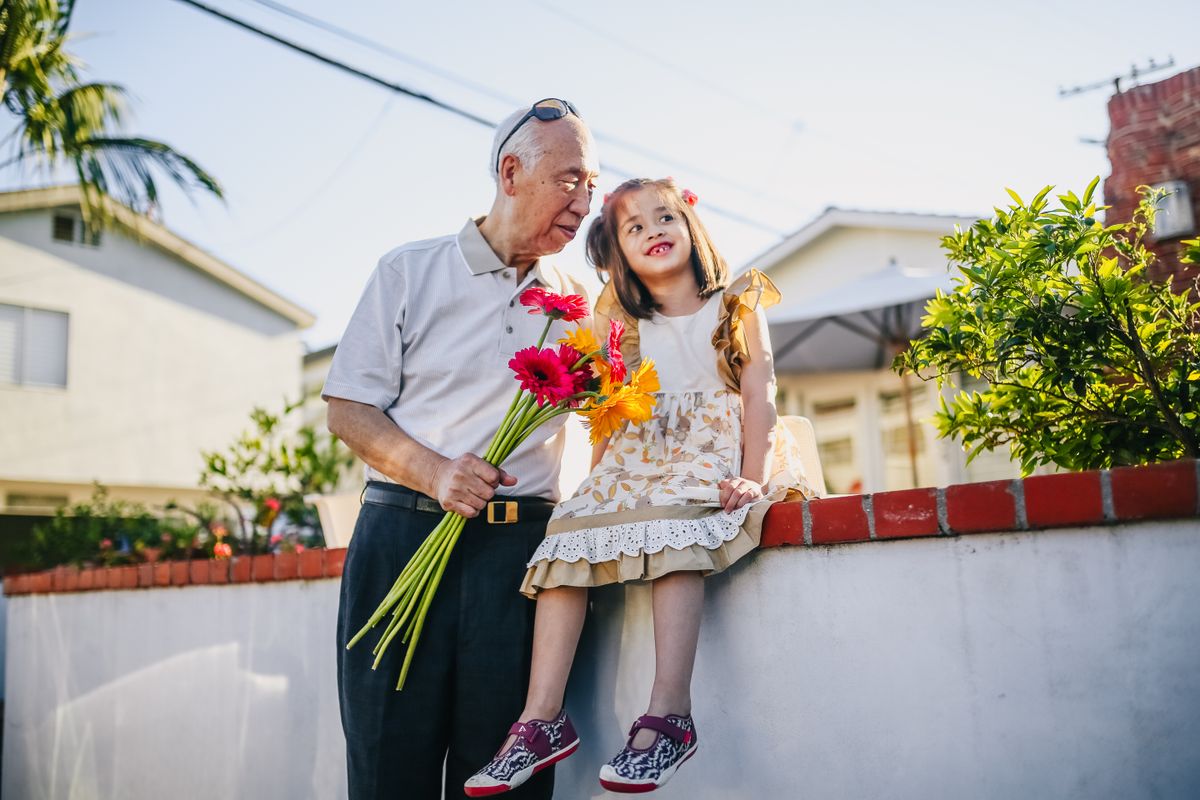
Despite financial challenges, grandfamilies create meaningful moments together
💰 Federal Assistance Programs
Temporary Assistance for Needy Families (TANF) provides cash assistance for low-income families. Many states offer "child-only grants" based solely on the child's needs, not the grandparent's income, potentially making more families eligible. Typical benefits range from $330-$400 monthly per child, though amounts vary by state.
According to MoneyGeek's financial planning guide, additional federal programs that may help include:
Supplemental Nutrition Assistance Program (SNAP) helps low-income families purchase food. Adding grandchildren to your household typically increases your benefit amount, and eligibility rules may be more flexible for kinship caregivers.
Women, Infants, and Children (WIC) provides nutrition assistance for pregnant women, new mothers, and children under five. If you're caring for young grandchildren, this program can significantly reduce grocery costs for specific nutritious foods.
Section 8 Housing Choice Voucher Program assists low-income families with rent. Priority may be given to grandfamilies, though waiting lists are often long. Contact your local housing authority to understand options in your area.
Child Care Assistance Program (CCAP) helps working grandparents afford childcare. If you need to maintain employment while raising grandchildren, this program can subsidize daycare or after-school care costs.
Social Security Benefits may be available if a parent is deceased or disabled. Grandchildren may qualify for survivor benefits or Social Security Disability Insurance (SSDI) benefits through their parent, which you can manage on their behalf.
In a groundbreaking move, Alabama became the first state in 2024 to direct opioid settlement funds directly to grandparents raising grandchildren affected by the opioid epidemic, appropriating $280,000 for this purpose. Other states including Nevada are following suit, recognizing that grandfamilies need targeted financial support.
Beyond government programs, tax benefits can provide significant relief. According to The American Legion's resource guide:
Adoption Tax Credit provides up to $16,810 in 2024 if you legally adopt your grandchildren, significantly offsetting adoption costs.
Medical Expense Deductions allow you to deduct medical and dental costs that exceed 7.5% of your adjusted gross income when caring for dependent grandchildren.
Education Tax Credits like the American Opportunity Tax Credit and Lifetime Learning Credit can help offset college expenses for grandchildren you claim as dependents.
Head of Household Status provides a higher standard deduction and lower tax rate compared to filing as single if you're unmarried and qualify based on dependent grandchildren.
📋 What You Can Do This Week
- ☐ Contact your state's Department of Human Services to ask about TANF child-only grants
- ☐ Call 800-677-1116 (Eldercare Locator) to find local assistance resources
- ☐ Visit your local SNAP office to determine food assistance eligibility
- ☐ Research kinship navigator programs in your state (many offer case management)
- ☐ Consult with a tax professional about claiming grandchildren as dependents
Some states also offer subsidized guardianship programs that provide ongoing financial support similar to foster care rates ($7,000-$8,500 annually) while giving grandparents legal guardianship without the ongoing oversight required in the foster system. Contact your state's child welfare agency to learn if this option exists in your area.
Healthcare Coverage and Medical Support
Ensuring your grandchildren have adequate healthcare coverage is essential, particularly if they've experienced trauma, have special needs, or require ongoing medical attention related to their parent's substance use during pregnancy. According to child welfare experts, many children entering kinship care have been exposed to prenatal substance use or experienced medical neglect, making comprehensive healthcare access critical.
Medicaid and CHIP provide health coverage to over 72.5 million Americans, including qualified children in low-income households. Most children receiving TANF cash assistance automatically qualify for Medicaid. The Children's Health Insurance Program (CHIP) covers children in families with incomes too high for Medicaid but who cannot afford private insurance.
Medicare covers grandparents age 65 and older, though it doesn't extend to grandchildren unless they have specific disabilities. Understanding how your coverage and your grandchildren's coverage work separately is important for managing family healthcare needs.

Family connection supports healing from trauma and instability
If grandchildren have been in foster care, they typically qualify for comprehensive Medicaid coverage that includes mental health services, dental care, and vision care. This coverage usually continues if you transition from foster care to guardianship or adoption through state subsidized programs.
🏥 Accessing Mental Health Services
Children who've experienced parental addiction often need mental health support to process trauma, attachment issues, or behavioral challenges. Most states' Medicaid programs cover counseling and therapy services for children, though finding providers who accept Medicaid can sometimes be challenging.
Some grandchildren may qualify for Early and Periodic Screening, Diagnostic and Treatment (EPSDT) services through Medicaid, which provides comprehensive health assessments and covers medically necessary treatments for children under 21, even if those services aren't typically covered under the state's Medicaid plan.
For grandparents, your own health is equally important. The physical and emotional demands of raising grandchildren can exacerbate existing health conditions or create new ones. Don't neglect your own medical care, regular checkups and managing chronic conditions help ensure you can continue providing stable care for your grandchildren.
Building Your Support Network
Perhaps the most valuable resource for grandparents raising grandchildren isn't a program or benefit, it's connection with others who truly understand what you're going through. Isolation is common among grandfamilies, with many grandparents reporting that friends their age can't relate to their current reality of school meetings and bedtime battles.
Support groups specifically for grandparents raising grandchildren have emerged across the country, both in-person and online. These groups provide spaces where you can share frustrations, exchange practical advice, and simply feel understood without judgment. As Eluna's resource guide notes, peer support can be "revolutionary" for grandparents navigating these challenges.

Grandfamilies create new routines and traditions together
💙 Finding Your Community
Local support groups often meet through community centers, places of worship, or social service agencies. Search online for "grandparents raising grandchildren support group" plus your city or county name.
Online communities like Facebook groups allow connection with other grandfamilies regardless of location. Groups such as "The Addict's Mom" and various "Grandparents Raising Grandchildren" communities provide 24/7 peer support.
Kinship navigator programs exist in many states, providing case management, support groups, and resource connections specifically for relative caregivers. Contact your state's child welfare agency to find your local program.
The federal Supporting Grandparents Raising Grandchildren Act established an Advisory Council dedicated to identifying, promoting, and coordinating resources for grandfamilies. This council's work has resulted in the National Strategy to Support Family Caregivers, which includes nearly 350 actions to support family caregivers, including grandparents raising grandchildren.
Organizations like Generations United, AARP's Grandparent Information Center, and local Area Agencies on Aging can connect you with resources, advocacy opportunities, and information specific to your region. Many offer webinars, toolkits, and helplines staffed by people who understand kinship care challenges.
✓ Building Your Support System
- Join at least one support group – whether in-person or online, connection with others reduces isolation
- Tap into extended family – ask relatives for specific help like school pickups or occasional babysitting
- Connect with school staff – counselors, teachers, and social workers can be valuable allies
- Utilize respite care – many communities offer temporary childcare specifically for kinship families
- Build relationships with other parents – despite the age gap, connecting with your grandchildren's friends' parents creates community
Don't underestimate the importance of respite care, which provides temporary relief for caregivers. Some states offer respite programs specifically for kinship families, allowing you to rest, attend medical appointments, or simply recharge. Taking breaks isn't selfish, it's essential for sustaining the energy and patience required for long-term caregiving.
Supporting Your Grandchildren's Healing
Children entering your care because of parental addiction carry experiences that shape their behavior, emotions, and ability to trust. Understanding trauma-informed parenting approaches helps you provide the stability and security they need to heal while avoiding approaches that might inadvertently cause more harm.
According to Eluna's guidance for grandfamilies, children who've experienced parental substance use disorder face multiple losses, including the loss of a stable parent as their primary caregiver, which constitutes an Adverse Childhood Experience (ACE). These experiences can affect mental and emotional stability, making professional counseling valuable when age-appropriate.
Key principles for supporting grandchildren include:
Maintain respect for their parent – Even when parents struggle with addiction, children need to maintain respect for them. Speaking negatively about parents in front of grandchildren can damage their self-esteem and complicate their identity development. Focus on the disease of addiction rather than character flaws.
Use person-first language – Instead of calling someone an "addict," refer to them as someone who "struggles with substance use disorder" or has "the disease of addiction." This distinction helps children understand that their parent isn't defined solely by their addiction.
Provide age-appropriate honesty – Children are remarkably perceptive and often know more than adults realize. Age-appropriate honesty about why they're living with you, delivered with compassion, helps them make sense of their situation.
Establish predictable routines – Children who've experienced chaos benefit tremendously from consistent schedules, clear expectations, and predictable consequences. This structure provides the security their earlier environment lacked.
Professional counseling can provide children with a safe space to process complex feelings about their parents, their living situation, and their own identity. Many school districts offer counseling services, and Medicaid typically covers mental health treatment for children. Look for therapists experienced with trauma and family dynamics related to addiction.
Enrolling grandchildren in extracurricular activities, sports programs, community organizations, or faith-based youth groups provides structure, builds self-esteem, and creates positive peer relationships. These connections help children develop identities beyond their family circumstances.
As grandchildren grow older, conversations about substance use become important. Be firm about the consequences of using substances while also emphasizing that they're not destined to repeat their parents' patterns. Understanding family history can actually empower young people to make different choices when they understand addiction as a disease with genetic components rather than a moral failure.
Essential Self-Care for Caregivers
You cannot pour from an empty cup. This common saying particularly applies to grandparents who've taken on the exhausting work of raising children while processing their own grief, worry, and often physical limitations. Prioritizing your own wellbeing isn't selfish, it's necessary for providing stable, patient care to your grandchildren.

The emotional toll of raising grandchildren requires acknowledgment and support
Physical self-care includes maintaining your own medical appointments, taking prescribed medications, getting adequate sleep, eating nutritiously, and moving your body regularly within your capabilities. These basics become challenging when you're focused on children's needs, but neglecting your health helps no one.
Emotional self-care might involve counseling for yourself, where you can process the grief of watching your child struggle with addiction, the anger about circumstances beyond your control, or the fear about the future. Many insurance plans, including Medicare, cover mental health services for adults.
Practical self-care includes asking for and accepting help. This might mean letting other family members contribute financially, accepting offers from friends to watch children occasionally, or hiring help with tasks like housecleaning when possible. Many grandparents raised to be self-sufficient find accepting help difficult, but parenting grandchildren is a community-sized challenge, not an individual one.
🌟 Daily Self-Care Practices
Schedule 15 minutes daily for yourself – even if it's just sitting with coffee before children wake or taking a short walk after they're in bed. Protecting small pockets of time helps prevent burnout.
Respite care services provide temporary relief, allowing you to rest, attend appointments, visit friends, or simply have a day without responsibility. Some states fund respite specifically for kinship caregivers. Don't wait until you're desperate to arrange respite, regular breaks prevent crisis burnout.
Maintaining some elements of your pre-caregiving life, whether it's a weekly phone call with friends, a hobby, or a faith community connection, helps preserve your identity beyond "caregiver." You're still the person you were before taking on this role, and nurturing those aspects of yourself benefits both you and your grandchildren.
📋 What You Can Do Today
- ☐ Identify one person you can call when you need to talk without judgment
- ☐ Schedule your own medical checkup if it's been more than a year
- ☐ Ask one specific person for one specific type of help
- ☐ Join one online support group for grandparents raising grandchildren
- ☐ Set a reminder to do one thing just for yourself tomorrow
Remember that your grandchildren need you to be healthy and present more than they need you to be perfect. Modeling self-care teaches them valuable lessons about maintaining wellbeing during challenging times, lessons that will serve them throughout their lives.
Hope and Looking Forward
The journey of raising grandchildren because of a parent's addiction is undeniably challenging, filled with unexpected twists, financial stress, and emotional complexity. Yet countless grandfamilies find unexpected joys, profound connections, and the satisfaction of knowing they've provided stability for children who desperately needed it.
Your willingness to step in when your grandchildren needed you most demonstrates love in action. While circumstances brought them into your care, the daily choices you make to provide structure, consistency, and compassion create the foundation for their healing and future success.
Many adults raised by grandparents speak with deep gratitude about the sacrifices their grandparents made and the stability that allowed them to thrive despite challenging beginnings. Your efforts matter more than you may realize in these exhausting moments.
As awareness of the grandfamily phenomenon grows, so do resources, programs, and support systems. The groundbreaking Alabama program directing opioid settlement funds to grandparents represents the beginning of systemic recognition that grandfamilies need and deserve targeted support. Advocacy organizations continue pushing for policies that acknowledge and address the unique needs of relative caregivers.
Looking toward the future, focus on progress rather than perfection. Celebrate small victories, whether it's a grandchild's improved report card, a peaceful bedtime routine, or simply making it through a difficult day. These moments of connection and growth accumulate into transformed lives.
For grandchildren, the stability you provide allows them to develop secure attachments, process trauma, and build resilience that will serve them throughout their lives. Research consistently shows that children placed with relatives rather than in foster care with strangers demonstrate better outcomes across multiple measures, from education to mental health to future relationships.
If your adult child is working toward recovery, whether through residential treatment, outpatient programs, or other support systems, maintaining appropriate boundaries while offering encouragement models healthy family dynamics for your grandchildren. Understanding addiction treatment realities versus myths can help you set realistic expectations for your child's recovery timeline.
✓ Remember These Truths
- You are not alone – millions of grandparents walk this path alongside you
- Resources exist – even when they're hard to find, keep asking and seeking support
- Progress isn't linear – difficult days don't erase the positive changes you've created
- Your grandchildren will remember – the stability and love you provide shapes their entire future
- You deserve support – asking for help reflects strength, not weakness
The road ahead may be long, but you don't have to travel it alone. By connecting with resources, building support networks, and maintaining hope even during difficult periods, you're providing your grandchildren with the most valuable gift possible: a stable, loving home where healing can happen.
📖 You May Also Find Helpful
How Family Dynamics Influence Addiction and Recovery
Understanding family patterns that contribute to addiction.
What to Do When Someone Refuses Addiction Treatment
Strategies for helping a loved one who resists getting help.
How to Help Your Loved One with Addiction
Practical guidance for supporting someone in their recovery journey.
Anxiety and Addiction Recovery
Addressing co-occurring anxiety and substance use disorders.
Addiction Recovery Stories
Real stories of hope and healing from those in recovery.
Free Recovery Tools
Access helpful resources to support your family's recovery journey.
Your Adult Child Needs Help
If your grandchild's parent is struggling with addiction, professional treatment can provide the support they need for recovery. At Williamsville Wellness, our 28-day residential program focuses on the mental health and therapeutic aspects of recovery. While we're not a medical facility, we work closely with healthcare providers to support your loved one's complete healing.
Recovery is possible, and supporting your adult child's treatment while caring for your grandchildren can create the stability your entire family needs.
📞 Call 804-655-0094Our compassionate team understands the unique challenges families face when addiction affects multiple generations. We're here to discuss treatment options and answer your questions.