

Dating Someone in Recovery: What You Need to Know
Building a healthy, supportive relationship while respecting the recovery journey
📚 What You'll Discover in This Guide
- Understanding What Recovery Really Means
- The One-Year Rule: Why Timing Matters
- Essential Things to Know Before You Start Dating
- Educating Yourself About Addiction
- Red Flags and Warning Signs
- How to Support Without Enabling
- Setting Healthy Boundaries
- Communication: The Foundation of Success
- Long-Term Success in Recovery Relationships
Falling for someone is rarely a matter of perfect timing or ideal circumstances. When you find yourself attracted to someone in recovery from drug addiction or alcohol addiction, you might feel a mix of emotions – from genuine affection and hope to uncertainty and concern. These feelings are completely natural, and they reflect the complex reality of dating someone whose life has been profoundly shaped by their recovery journey.
Understanding what it means to date someone in recovery can make the difference between a relationship that supports healing and one that inadvertently threatens sobriety. According to SAMHSA (Substance Abuse and Mental Health Services Administration), recovery is "a process of change through which individuals improve their health and wellness, live self-directed lives, and strive to reach their full potential." This process doesn't end – it becomes a lifelong commitment that affects every aspect of a person's life, including their relationships.
Dating someone in recovery isn't about "fixing" them or managing their sobriety. It's about understanding the unique challenges they face, respecting their boundaries, and building a relationship founded on honesty, patience, and mutual support. With approximately 50.2 million American adults considering themselves to be in recovery from substance use or mental health problems, chances are you'll encounter this situation at some point in your dating life.
This comprehensive guide will help you navigate the complexities of dating someone in recovery, offering practical advice on everything from understanding the recommended waiting period to recognizing warning signs. Whether you're just beginning to date someone in recovery or you're in an established relationship with a partner who has entered treatment, the information here can help you build a healthy, supportive connection while respecting the critical importance of their recovery journey.
Understanding What Recovery Really Means
Before entering into a relationship with someone in recovery, it's essential to understand what recovery actually entails. Unlike popular media portrayals that suggest addiction can be "cured" with a short stint in residential treatment, the reality is far more complex and ongoing.
Recovery is not a destination but a continuous journey. The person you're dating will always be "in recovery" – there's no final endpoint where they're suddenly "recovered" and can put the experience behind them. This distinction matters because it shapes every aspect of their daily life, from the activities they choose to how they manage stress and emotions.

Open, honest communication is the foundation of dating someone in recovery
When someone commits to recovery, they're not just abstaining from substances – they're rebuilding their entire life. This process involves developing new coping mechanisms, repairing damaged relationships, establishing healthy routines, addressing underlying mental health conditions through co-occurring disorders treatment, and learning to navigate life's challenges without turning to substances.
Key Things to Understand About Recovery
- Recovery is lifelong: Your partner will always be managing their addiction, even after years of sobriety
- Relapse is a risk: Between 40% and 60% of those in recovery relapse at least once, but relapse doesn't mean failure
- Recovery requires daily commitment: Therapy sessions, support group meetings, and self-care practices are non-negotiable priorities
- Triggers are real: Certain people, places, situations, or emotions can threaten sobriety
- Mental health matters: Many people with substance use disorders also manage anxiety, depression, or other mental health conditions
Understanding these realities doesn't mean you should be constantly worried or walking on eggshells. Rather, this knowledge helps you approach the relationship with appropriate awareness and realistic expectations. Many people in recovery are among the healthiest, most self-aware individuals you'll meet because they've done extensive work on themselves through therapy, support groups, and personal reflection.
According to recovery experts, individuals who have maintained sobriety for at least one year often demonstrate remarkable emotional intelligence, honesty, and commitment to personal growth – qualities that can create a strong foundation for a healthy relationship.
The One-Year Rule: Why Timing Matters
One of the most consistent pieces of advice from addiction specialists, therapists, and recovery communities is what's commonly known as "the one-year rule" – the recommendation that people in recovery wait at least one year of sobriety before entering into new romantic relationships.
This guideline isn't arbitrary. Early recovery is an incredibly vulnerable time when individuals are learning to navigate life without substances, developing new coping skills, and rebuilding their sense of self. During this critical period, the focus needs to remain on recovery rather than being diverted to the emotional complexities of a new relationship.
Source: Data from SAMHSA National Survey on Drug Use and Health, 2024
Why does timing matter so much? During the first year of recovery, individuals are experiencing profound changes. They're learning to manage cravings, identify triggers, process emotions without numbing them, repair damaged relationships, and establish new routines and support systems. Adding the emotional intensity of a new romantic relationship can overwhelm these efforts.
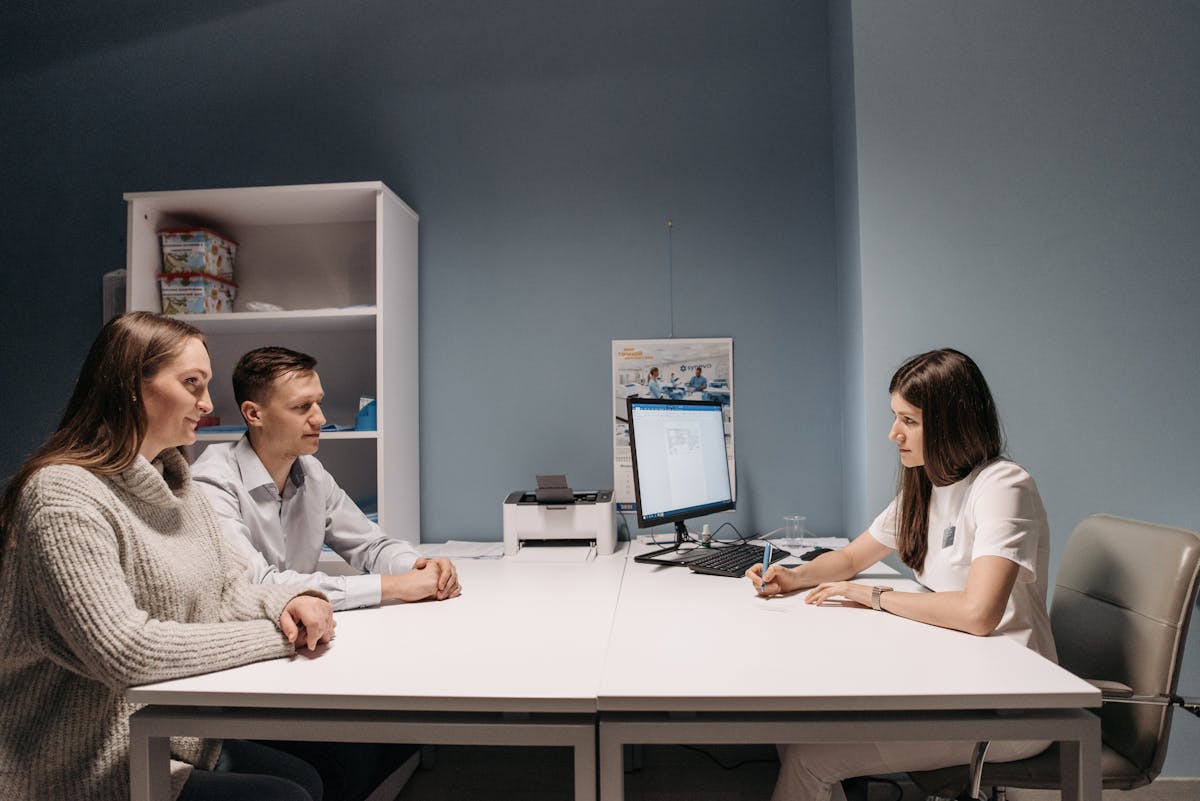
Professional guidance helps couples navigate recovery together successfully
Furthermore, many people in early recovery are at risk of developing codependent relationships – arrangements where one partner becomes overly focused on "helping" or "fixing" the other, creating an unhealthy dynamic that can threaten both the relationship and sobriety. The patterns that led to addiction often include difficulty with boundaries, using relationships to fill emotional voids, or seeking external validation – all issues that need to be addressed before healthy romantic relationships can flourish.
💡 Important Exception
The one-year rule applies primarily to new relationships. If you were already in a committed relationship when your partner entered recovery, the guidance is different. In these cases, couples often benefit from working together with a therapist who specializes in addiction and relationships.
That said, the one-year rule is a guideline, not an absolute law. Some individuals may be ready earlier if they've done extensive work on themselves, have strong support systems, and demonstrate emotional stability. Others may need more than a year. The key is assessing readiness based on individual circumstances rather than arbitrary timelines.
If you're dating someone who's in early recovery (less than one year sober), have honest conversations about whether the timing is right. Consider whether they're actively engaged in their recovery program through outpatient treatment, support groups, or therapy. Are they stable in other areas of life? Have they developed healthy coping mechanisms? These factors matter more than the specific number of days or months since their last use.
Essential Things to Know Before You Start Dating
If you've decided to move forward with dating someone in recovery, going in with your eyes open – armed with knowledge and realistic expectations – significantly increases the chances of building a healthy, lasting relationship. Here are the essential realities you need to understand:
Recovery Will Always Come First
Your partner's sobriety must be their top priority – above the relationship, above your plans, and above your preferences. This isn't personal; it's survival. If maintaining sobriety means attending a support group meeting instead of your date night, that meeting comes first.
You'll Need to Modify Your Lifestyle
Dating someone in recovery often means avoiding bars, parties where alcohol or drugs are present, and other triggering situations. If you enjoy social drinking, you may need to do that outside the relationship or eliminate it entirely to be supportive.
Past Baggage Comes With the Territory
Your partner may have legal issues, financial problems, damaged family relationships, or health concerns resulting from their addiction. These aren't character flaws – they're consequences of addiction that take time to address and may never fully resolve.
Honesty and Communication Are Critical
Recovery requires rigorous honesty. Your partner needs to be truthful about their struggles, triggers, and temptations. You need to be honest about your concerns, boundaries, and needs. Sugarcoating or avoiding difficult conversations threatens both the relationship and recovery.

Building trust through consistent support strengthens recovery relationships
Beyond these fundamentals, consider your own readiness. Dating someone in recovery requires patience, empathy, and emotional maturity. Ask yourself honestly whether you're prepared for the unique challenges this relationship may bring. Are you looking for someone to "save" or "fix"? Do you have codependent tendencies? Are you comfortable with the level of structure and commitment recovery requires?
It's also important to assess your partner's readiness. Someone truly ready for a relationship in recovery will typically demonstrate active engagement in their recovery program, emotional stability and self-awareness, honesty about their past and present challenges, healthy coping mechanisms for stress, and a strong support system beyond just you.
💚 For Families
If you're watching someone you love date a person in recovery, your concerns are valid. The best thing you can do is educate yourself about recovery, avoid being judgmental, and trust your loved one to make their own decisions while offering support when asked.
Remember that people in recovery are whole human beings, not their addiction. They have strengths, dreams, talents, and the capacity to build wonderful relationships. The work they've done to achieve and maintain recovery often makes them exceptionally self-aware, honest, and committed partners. The key is ensuring both people are ready for the relationship and willing to navigate its unique aspects together.
Educating Yourself About Addiction
One of the most important things you can do when dating someone in recovery is to educate yourself about addiction. Understanding that addiction is a disease – not a moral failing or character weakness – fundamentally changes how you approach the relationship and support your partner.
Addiction is classified as a chronic, relapsing brain disorder. It changes the structure and function of the brain, particularly in areas responsible for reward, motivation, memory, and decision-making. These neurological changes explain why someone can't simply "choose" to stop using substances through willpower alone, and why recovery requires comprehensive treatment rather than just deciding to quit.
According to the National Institute on Drug Abuse, addiction is characterized by compulsive engagement with rewarding stimuli despite adverse consequences. The person in recovery has literally rewired their brain to prioritize substance use above all else, and recovery involves the slow, challenging process of rewiring it back toward healthy functioning.
Learning about addiction helps you understand the triggers and cravings your partner experiences, why certain situations or emotions might be dangerous, the role of underlying mental health conditions in addiction, how treatment works and why it's ongoing, and what relapse warning signs look like.

Understanding addiction helps partners provide meaningful support in recovery
Excellent resources for education include reading materials from SAMHSA, attending Al-Anon, Nar-Anon, or similar support groups for loved ones of people with addiction, speaking with addiction counselors or therapists, and reading memoirs or books about recovery written by those with lived experience.
Many people in recovery participate in 12-step programs like Alcoholics Anonymous (AA) or Narcotics Anonymous (NA). While you wouldn't attend their meetings (those are for people with substance use disorders), understanding the 12-step philosophy can help you comprehend their recovery approach. Other recovery models include SMART Recovery, which uses cognitive behavioral techniques, medication-assisted treatment (MAT) combined with counseling, and faith-based recovery programs.
📚 Learning Together
Consider learning about addiction and recovery together with your partner. This shared education can strengthen your bond while ensuring you're both on the same page about what recovery involves and how you can support each other.
Understanding common triggers is particularly important. Triggers can be external (places, people, situations) or internal (emotions, physical sensations). Common triggers include stress or anxiety, celebrations or holidays, relationship conflicts, financial problems, and encountering people, places, or things associated with past substance use. Knowing your partner's specific triggers allows you to help them avoid risky situations and recognize when they might need extra support.
It's also crucial to understand what to do if relapse occurs. Relapse doesn't mean the relationship or recovery is over – it's often part of the recovery process. Knowing how to respond calmly and supportively rather than with anger or judgment can make a critical difference in helping your partner return to their recovery path.
📋 What You Can Do This Week
- ☐ Read one article or book chapter about addiction as a brain disease
- ☐ Research local Al-Anon or Nar-Anon meetings you could attend
- ☐ Have a conversation with your partner about their specific triggers
- ☐ Learn the warning signs of relapse for your partner's substance of choice
- ☐ Identify one person you can talk to if you need support
Red Flags and Warning Signs
While many relationships with people in recovery thrive and succeed, it's important to recognize warning signs that suggest either the timing isn't right or the relationship may not be healthy. Being aware of these red flags protects both you and your partner.
One major red flag is if your partner is in very early recovery (less than six months sober) and pursuing a relationship intensely. This often indicates they're trying to replace their addiction with the relationship – a pattern known as "relationship addiction" or codependency. Similarly, if they're not actively engaged in recovery supports like therapy, counseling, or support groups, the risk of relapse is significantly higher.
Other warning signs to watch for include dishonesty about their substance use, recovery status, or daily activities, isolating you from friends and family or trying to make you their sole support system, refusing to discuss their addiction or becoming defensive about recovery topics, pressuring you to use substances with them "just once" or minimizing their addiction, skipping therapy appointments, support meetings, or other recovery commitments, exhibiting significant mood swings, unexplained absences, or behavioral changes, and having unrealistic expectations about the relationship or rushing toward major commitments.

Recognizing unhealthy patterns early protects both partners' wellbeing
Financial red flags also deserve attention. While financial problems stemming from past addiction are understandable, ongoing concerning financial behaviors – like asking you for money frequently, secretive spending, or inability to account for where money goes – can signal active use or unhealthy patterns.
⚠️ Trust Your Instincts
If something feels off, pay attention to that feeling. People in healthy recovery are typically very honest and open about their struggles. If you feel like you're being lied to or manipulated, that's worth addressing directly or, if the pattern continues, walking away from the relationship.
It's equally important to watch for warning signs in your own behavior. Are you trying to "fix" or "save" your partner rather than seeing them as a whole person? Do you make excuses for their behavior or cover up concerning patterns? Are you neglecting your own needs, friendships, or interests to focus entirely on your partner's recovery? Have you become their therapist, sponsor, or parent rather than their partner?
If you recognize these patterns, it may indicate a codependent dynamic that's unhealthy for both of you. Codependency involves excessive emotional or psychological reliance on a partner, particularly when that partner requires support due to illness or addiction. While being supportive is positive, codependency crosses the line into unhealthy territory where you lose yourself in your partner's recovery.
Remember that you can't control or cure your partner's addiction. You can support them, encourage them, and be there for them, but ultimately their recovery is their responsibility. If you find yourself feeling responsible for keeping them sober, that's a sign to step back and possibly seek support for yourself through Al-Anon or therapy.
How to Support Without Enabling
One of the most delicate balances in dating someone in recovery is learning to be supportive without crossing the line into enabling behavior. Support helps your partner strengthen their recovery; enabling inadvertently makes it easier for them to continue destructive patterns or avoid the consequences of their choices.
Healthy support looks like encouraging your partner's participation in therapy, treatment programs, or support group meetings, respecting their boundaries around alcohol, drugs, and triggering situations, celebrating recovery milestones without overshadowing them, listening without judgment when they share struggles or temptations, maintaining your own life, friendships, and interests outside the relationship, and educating yourself about addiction and recovery.

Healthy support means walking alongside someone, not carrying them
Enabling, on the other hand, involves making excuses for their behavior to others, providing money without knowing how it will be used, calling in sick to work for them or handling responsibilities they should manage, ignoring warning signs or gut feelings that something is wrong, putting their needs above your own wellbeing consistently, and taking on the role of their therapist, sponsor, or parent.
The Difference Between Support and Enabling
- Support: "I'll drive you to your therapy appointment" vs. Enabling: "I'll make excuses for why you missed your appointment"
- Support: "I'm proud of your three months of sobriety" vs. Enabling: "One drink won't hurt at this party"
- Support: "I'm concerned about what I'm noticing" vs. Enabling: "I'm sure everything is fine, don't worry"
- Support: "Your recovery is your responsibility" vs. Enabling: "I'll do whatever it takes to keep you sober"
One particularly important aspect of healthy support is understanding the concept of "tough love." Sometimes the most supportive thing you can do is set clear boundaries and follow through with consequences when those boundaries are violated – even if it causes short-term conflict or discomfort.
For example, if your partner relapses, healthy support might include encouraging them to contact their therapist or sponsor, attending therapy together if appropriate, and expressing your concern while affirming your belief in their ability to recover. Enabling would be hiding the relapse from others, making excuses for their behavior, or pretending nothing happened to avoid conflict.
It's also important to take care of yourself. Supporting someone in recovery can be emotionally draining, and you can't pour from an empty cup. Make sure you're maintaining your own support system, engaging in activities you enjoy, setting aside time for self-care, and being honest about when the relationship is affecting your own mental health.
Remember that your partner chose recovery for themselves, not for you. While your support is valuable, you are not responsible for their sobriety. Accepting this reality frees you from the exhausting burden of trying to control the uncontrollable and allows you to be a genuine partner rather than a caretaker.
Setting Healthy Boundaries
Boundaries are essential in any relationship, but they're particularly crucial when dating someone in recovery. Healthy boundaries protect your wellbeing while supporting your partner's sobriety. Without clear boundaries, relationships can quickly become codependent, resentful, or simply unsustainable.
Setting boundaries doesn't mean you don't care about your partner – in fact, it demonstrates that you care enough to create a relationship structure that works for both of you long-term. Boundaries also model healthy relationship skills, which many people in recovery are still developing.
Common boundaries in recovery relationships might include agreements about substance use (for example, "I won't use alcohol or drugs around you"), time commitments ("I support your need to attend meetings, even if it means changing our plans"), communication expectations ("I need you to be honest with me about struggles or temptations"), financial boundaries ("I won't lend money until you're financially stable"), and emotional boundaries ("I care about your recovery, but I can't be your therapist or sponsor").
🎯 Boundary-Setting Guidelines
Effective boundaries are specific, reasonable, and consistently enforced. Instead of vague statements like "I need you to work on your recovery," try specific boundaries like "I need you to attend at least one support meeting per week and be honest with me about your attendance."
When setting boundaries, be clear and direct about what you need and why, listen to your partner's perspective and concerns, be willing to compromise where appropriate, but remain firm on non-negotiables, and follow through with consequences if boundaries are violated.
For instance, if your boundary is "I won't stay in a relationship with active addiction," you need to be prepared to leave if your partner relapses and refuses to seek help. Setting boundaries you won't enforce is worse than setting no boundaries at all – it teaches your partner that your words don't match your actions.

Healthy boundaries create space for both partners to maintain their individual wellbeing
Some boundaries may feel selfish or harsh, especially if you're naturally empathetic or conflict-avoidant. You might feel guilty about limiting what you give to the relationship or standing firm when your partner is struggling. Remember that boundaries aren't about punishing your partner – they're about preserving your own wellbeing and creating a relationship dynamic that's sustainable for both of you.
It's also important to respect your partner's boundaries around their recovery. They may have boundaries about discussing their past, attending certain types of events, spending time with specific people from their using days, or how much detail they share about their recovery experiences. Honoring these boundaries shows respect for their autonomy and recovery process.
💚 For Families
If you're concerned that boundaries might push your loved one's partner away, remember that healthy relationships require healthy boundaries. If someone's boundaries cause the relationship to end, that relationship wasn't built on a solid foundation to begin with.
Boundaries may need to evolve as the relationship progresses and as recovery strengthens. What felt necessary in the first months of dating might relax as your partner achieves more time in recovery and demonstrates consistent stability. Regular check-ins about whether current boundaries are still serving both of you can help keep the relationship healthy and responsive to changing needs.
Communication: The Foundation of Success
If there's one factor that determines whether relationships with people in recovery succeed or struggle, it's communication. Honest, open, consistent communication builds the trust and understanding necessary to navigate the unique challenges these relationships present.
People in recovery often learn through therapy and support groups that rigorous honesty is essential to their sobriety. This commitment to honesty can actually make them exceptional communicators – if you're willing to engage with the same level of openness.
Essential topics to communicate about regularly include triggers and warning signs (what situations, emotions, or stressors might threaten sobriety), recovery commitments (understanding their therapy schedule, meeting attendance, and other recovery activities), relationship concerns (addressing issues before they build into resentment or distance), personal needs (being honest about what you need from the relationship and where you might be struggling), and celebrating successes (acknowledging recovery milestones and relationship growth).
Create Safe Space for Difficult Conversations
Both of you need to feel safe sharing struggles without fear of judgment, anger, or the relationship ending. If your partner can't be honest about a near-relapse or difficult moment, they're more likely to hide struggles until they become crises.
Practice Active Listening
When your partner shares their experiences, focus on understanding rather than immediately offering solutions or judgments. Sometimes they just need to be heard and validated, not fixed.
Address Issues Promptly
Don't let concerns fester. If something is bothering you or worrying you about their recovery or the relationship, bring it up respectfully but directly.
Use "I" Statements
Frame concerns in terms of your feelings rather than accusations. "I feel worried when I don't hear from you after your support group" works better than "You never tell me what happens at your meetings."
One specific communication skill worth developing is the ability to discuss relapses or near-relapses productively. If your partner experiences a relapse, how you respond in that moment can significantly impact whether they're able to return to recovery quickly or spiral further into active addiction.
Effective response to relapse disclosure involves staying calm, even though you may feel scared or angry, thanking them for their honesty in telling you, asking what they need and what support would be helpful, helping them connect with their sponsor, therapist, or treatment provider, and saving your own processing and feelings for later, when they're more stable.
It's also important to communicate regularly about the relationship itself, separate from recovery concerns. You're not just dating someone's recovery – you're dating a whole person with interests, dreams, humor, and depth beyond their addiction history. Make sure your conversations include topics like shared interests and activities, future plans and goals, daily life and mundane details, and appreciation for each other.
Consider establishing regular check-in times specifically for discussing relationship and recovery topics. Some couples find that weekly "relationship maintenance" conversations help prevent small issues from becoming large problems. These scheduled conversations create a predictable time to address concerns without feeling like you're always focused on problems.
Finally, don't neglect positive communication. Recovery is hard work, and relationships require effort. Make sure you're regularly expressing appreciation, affection, and recognition for your partner's commitment to recovery and to the relationship. Celebrating milestones – both recovery milestones like one year sober and relationship milestones like your anniversary – reinforces the positive aspects of your connection.
Long-Term Success in Recovery Relationships
While dating someone in recovery presents unique challenges, many of these relationships not only survive but thrive. The key factors that predict long-term success include both partners' commitment to ongoing growth, consistent honest communication, strong support systems outside the relationship, healthy boundaries and mutual respect, and shared values and life goals.
One significant advantage that recovery relationships can have is the level of self-awareness and emotional work the person in recovery has done. Through therapy, support groups, and their recovery journey, they've likely developed skills in emotional regulation, honest communication, and personal accountability that benefit the relationship immensely.

Long-term success comes from mutual growth, support, and commitment
As the relationship progresses and recovery strengthens, you may notice positive changes. Your partner becomes more confident in managing triggers and stressors, the relationship feels less focused on recovery and more balanced, trust deepens as they consistently demonstrate honesty and reliability, and both of you feel more comfortable with the relationship's rhythm and challenges.
Signs Your Recovery Relationship Is Healthy
- Your partner maintains active engagement with their recovery program
- You both have separate interests, friendships, and support systems
- Communication is honest, even when discussing difficult topics
- Recovery is a priority, but the relationship has room for fun and connection
- You feel like partners, not like caretaker and patient
- Both of you are growing individually while growing together
Long-term success also requires accepting that recovery is never "complete." Even after years of sobriety, your partner will always need to maintain their recovery practices. This might mean ongoing therapy, regular support group attendance, or other commitments that are non-negotiable. Accepting this reality as a permanent part of your relationship dynamic, rather than hoping it will eventually end, is crucial for long-term sustainability.
Consider seeking couples counseling proactively, not just when problems arise. A therapist who understands addiction and recovery can help you navigate the unique aspects of your relationship, develop stronger communication skills, and address issues before they threaten either the relationship or sobriety.
Many couples find that participating in activities that support recovery also strengthens their relationship. This might include attending recovery community events together, volunteering for causes related to recovery or mental health, participating in healthy activities like hiking, yoga, or creative pursuits that provide natural mood boosts, or connecting with other couples in recovery who understand the unique dynamics.
You May Also Find Helpful:
Remember that seeking help for yourself is just as important as your partner seeking help for their recovery. Organizations like Al-Anon, Nar-Anon, or similar support groups provide community with others who understand what you're experiencing. Individual therapy can also help you process your own feelings, set healthy boundaries, and ensure you're not losing yourself in your partner's recovery.
Ultimately, successful long-term relationships with people in recovery are built on the same fundamentals as any healthy relationship – mutual respect, honest communication, shared values, and commitment to growth – plus the added dimension of understanding and supporting recovery as a lifelong journey.
💡 Key Takeaways
- ✓ Recovery is a lifelong journey: Your partner will always be "in recovery," not "recovered," and this commitment shapes every aspect of their life.
- ✓ Timing matters: Most experts recommend waiting at least one year of sobriety before starting new relationships to allow recovery to stabilize.
- ✓ Education is essential: Understanding addiction as a brain disease helps you provide meaningful support and maintain realistic expectations.
- ✓ Support without enabling: Healthy support encourages independence and accountability rather than creating dependency.
- ✓ Boundaries protect both partners: Clear, consistent boundaries create a sustainable relationship structure that serves everyone.
- ✓ Communication is everything: Honest, regular dialogue about recovery, the relationship, and individual needs is the foundation of long-term success.
Moving Forward with Understanding and Hope
Dating someone in recovery is not for everyone, and there's no shame in recognizing that you're not equipped for the unique challenges it presents. But for those who choose to walk this path, the rewards can be profound. Many people in recovery are among the most self-aware, honest, and committed partners you'll ever meet precisely because they've done the difficult work of confronting their deepest struggles and choosing a different path.
The key to success lies in approaching the relationship with open eyes, realistic expectations, and genuine commitment to supporting your partner's recovery while maintaining your own wellbeing. This means educating yourself about addiction, setting healthy boundaries, communicating honestly, and seeking support for yourself when needed.
Remember that your partner is more than their addiction history. They have dreams, strengths, humor, and depth that exist completely apart from their recovery journey. The person they're becoming in recovery – with all the self-awareness and personal growth that entails – is someone worth knowing and building a life with.
If you're considering entering or continuing a relationship with someone in recovery, trust your instincts. Pay attention to whether they're actively engaged in their recovery, honest about their struggles, and willing to prioritize sobriety even when it's difficult. Watch for red flags, but also recognize the green flags – the signs that this person is doing the work and building a life that can support a healthy relationship.
And most importantly, take care of yourself. Your wellbeing matters just as much as your partner's recovery. Attend support groups, maintain your friendships, pursue your interests, and be honest about what you need from the relationship. A healthy relationship with someone in recovery requires two healthy individuals who support each other's growth while maintaining their own identities.
Recovery changes people – often for the better. The challenges that come with dating someone in recovery are real, but so are the potential rewards of building a relationship with someone who has confronted their demons, learned profound lessons about themselves, and chosen every day to show up as their best self.
Whether you're just beginning this journey or you're years into a recovery relationship, remember that resources and support are available. You don't have to navigate this alone. Professional guidance, support groups, and educational resources can make all the difference in building a relationship that not only survives but thrives alongside the recovery journey.
We're Here When You're Ready to Talk
Whether you're considering treatment for yourself or supporting someone you love through recovery, Williamsville Wellness provides comprehensive, compassionate care that addresses both addiction and the relationships affected by it. Our evidence-based treatment programs focus on building the skills and support systems necessary for lasting recovery.
Sometimes just one conversation brings clarity. We're not a call center – you'll speak directly with someone who understands recovery and relationships.
📞 Call 804-655-0094Learn about our treatment programs, verify insurance coverage, or simply talk through your questions with a compassionate specialist.