

Meditation for People Who Can't Sit Still
You don't have to sit cross-legged and quiet your mind to experience the healing benefits of meditation. Movement-based practices can support your recovery journey, even if traditional meditation feels impossible.
📚 12 min read📚 In This Article
If the idea of sitting still for 20 minutes makes you want to jump out of your skin, you're not alone. For many people in addiction recovery, traditional seated meditation can feel not just difficult, but actively distressing. Your leg bounces. Your thoughts race. You feel more anxious after trying to meditate than before you started.
Here's the good news: meditation doesn't require sitting still. In fact, for many people, especially those with restless minds or bodies, movement-based meditation practices can be even more effective than sitting in silence. These active approaches to mindfulness can help you develop the same emotional regulation skills, stress reduction, and present-moment awareness that traditional meditation offers, all while honoring your body's need to move.

Movement-based meditation practices allow you to find calm while honoring your body's need to move
Whether you're in early recovery, managing co-occurring mental health conditions, or simply someone who has never been able to make traditional meditation work, this guide will introduce you to practical, evidence-based alternatives that can support your healing journey.
Why Traditional Meditation Feels Impossible
If you've tried meditation and felt like a failure, it's important to understand that your struggle isn't a character flaw. There are real neurological and psychological reasons why sitting still can feel unbearable, especially during addiction recovery.
The Restless Brain in Recovery
During active addiction, your brain becomes accustomed to high levels of stimulation. Substances hijack the reward system, flooding it with dopamine and other neurotransmitters. When you stop using, your brain doesn't immediately return to baseline. Instead, it can take months or even years for your neurochemistry to rebalance. During this time, sitting quietly can feel almost painful because your understimulated brain is desperately seeking the activity it has become dependent upon.
ADHD and Addiction: A Common Overlap
Research shows that ADHD and substance use disorders frequently co-occur. If you have ADHD, whether diagnosed or not, the instruction to "just sit still and breathe" can feel like asking someone with a broken leg to run a marathon. Your brain is literally wired differently, and fidgeting may actually help you focus rather than distract you.
Sources: National Center for Complementary and Integrative Health, University of Utah Health, and published meditation research statistics.
Anxiety and Hyperarousal
For those dealing with anxiety alongside addiction, sitting still can actually increase anxious feelings. When your nervous system is stuck in "fight or flight" mode, being motionless can feel threatening. Your body wants to move, to do something, to respond to the perceived danger your brain keeps signaling.
Trauma Responses
Many people in recovery have histories of trauma. Trauma-informed care recognizes that traditional meditation can sometimes trigger uncomfortable feelings or flashbacks. When trauma is stored in the body, sitting quietly with your eyes closed can feel unsafe rather than peaceful.
For Families
If your loved one has tried meditation before and said it "doesn't work" or makes them feel worse, believe them. Their experience is valid. Instead of pushing traditional meditation, encourage them to explore movement-based alternatives. Your support in finding what actually helps, rather than what "should" help, can make a significant difference in their recovery.
Wondering if movement-based therapies might help your situation?
Talk to Our Team: 804-655-0094The Science Behind Movement and Mindfulness
The idea that you need to sit still to meditate is a modern misconception. Historically, many contemplative traditions have included movement-based practices alongside seated meditation. Modern neuroscience is now confirming what these traditions knew intuitively: movement can enhance, not detract from, the benefits of mindfulness practice.
How Fidgeting Helps the Brain Focus
Research from UC Davis has shown that fidgeting actually helps people with ADHD focus better on cognitive tasks. When participants were allowed to move while working, their performance improved, especially on longer, more demanding tasks. This suggests that for some brains, movement isn't a distraction but rather a regulatory mechanism that supports attention.
"We have good evidence that fidgeting itself seems to be associated with better attention. What was really interesting was the longer the task went on, the greater the effect of the fidgeting." – Julie Schweitzer, PhD, UC Davis MIND Institute
The Brain-Body Connection
Physical activity, even gentle movement like walking, increases levels of dopamine and norepinephrine in the brain. These are the same neurotransmitters targeted by ADHD medications and affected by substance use. In his book "Spark," Dr. John Ratey demonstrates that movement can function as a natural way to support brain chemistry, potentially offering benefits similar to pharmaceutical interventions.
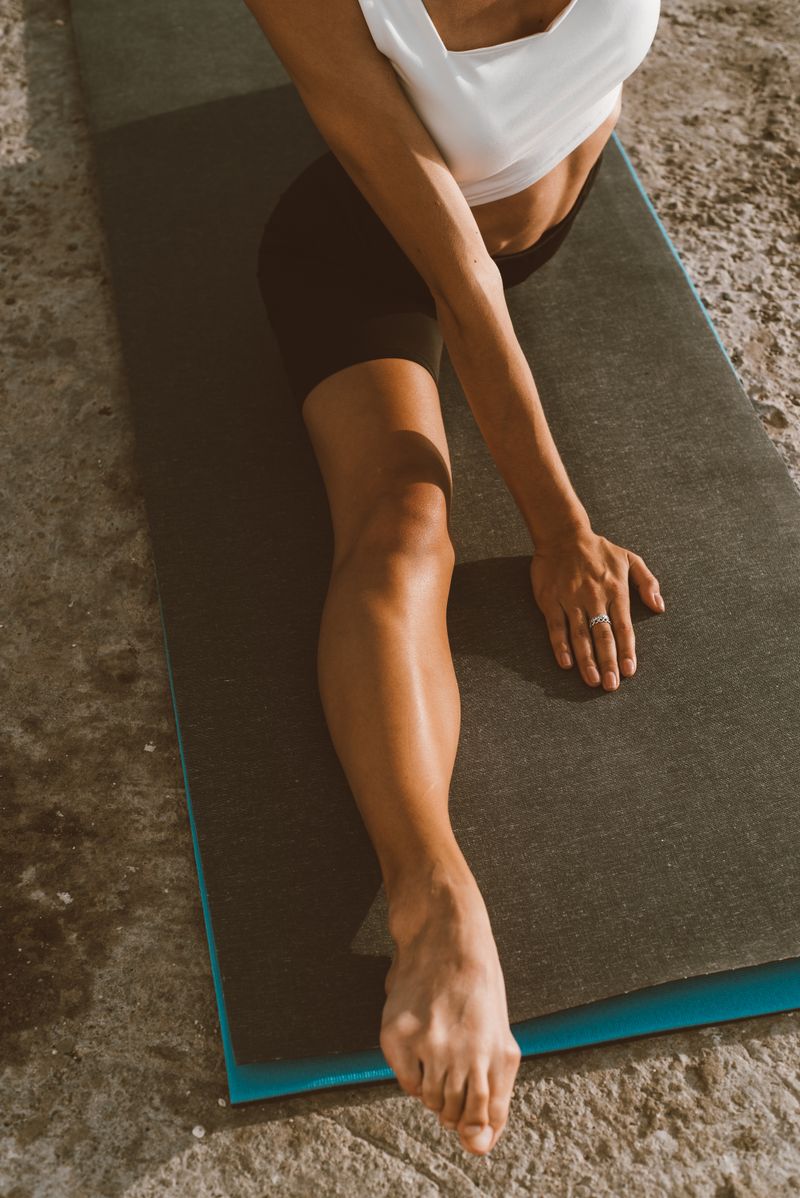
Movement-based practices combine physical activity with mindful awareness for powerful results
Walking Meditation Research
A 2024 study published in the journal Exercise and Sport Sciences Reviews found that walking meditation was "highly effective in eliciting improvements in cardiometabolic and functional fitness measures." In some key outcomes, the benefits of mindful walking exceeded those of traditional walking programs. This suggests that combining movement with mindfulness creates a synergistic effect greater than either practice alone.
🔑 Key Takeaways: The Science
- Movement can enhance rather than diminish mindfulness benefits
- Fidgeting may be a self-regulatory mechanism that supports attention
- Physical activity naturally increases dopamine and norepinephrine
- Walking meditation shows benefits comparable to or exceeding seated meditation
- Movement-based practices are especially helpful during early recovery
Walking Meditation: Your Body in Motion
Walking meditation is perhaps the most accessible movement-based mindfulness practice. It doesn't require any special equipment, can be done almost anywhere, and naturally incorporates the physical movement many restless people need. The practice has roots in Buddhist traditions but has been adapted for secular contexts and is now included in evidence-based programs like Mindfulness-Based Stress Reduction (MBSR).
The Basics of Walking Meditation
Unlike regular walking, walking meditation involves deliberate attention to the physical sensations of movement. Rather than walking to get somewhere, you walk to be fully present with the experience of walking itself.
Find Your Space
Choose a path where you can walk 10-20 steps in a straight line. This could be indoors (a hallway) or outdoors (a garden path). You don't need a lot of space, as you'll be walking back and forth rather than covering distance.
Start Standing
Begin by standing still for a moment. Feel your feet on the ground. Notice the sensation of balance, the weight distributed between your feet, the contact points where your body meets the earth.
Walk Slowly
Begin walking at a slower-than-normal pace. Pay attention to the lifting of your foot, the movement through space, and the placing of your foot back on the ground. Notice each micro-movement.
Turn Mindfully
When you reach the end of your path, pause. Turn around deliberately, noticing the shift in weight and direction. Then continue walking in the opposite direction.
Redirect Attention
When your mind wanders (and it will), gently bring your attention back to the physical sensations of walking. This redirection is the practice, not a sign of failure.
Variations That Work for Different Needs
The beauty of walking meditation is its flexibility. You can adapt the practice to suit your current state and needs.
Nature Walking: Taking your practice outdoors and engaging with natural surroundings can amplify the calming effects. Research shows that combining mindfulness with time in nature can enhance mood and feelings of connectedness more than either practice alone. A forest trail, beach, or even a local park can serve as your meditation space.
Faster-Paced Walking: If slow walking feels torturous, you can practice mindfulness while walking at a normal or even brisk pace. The key is attention, not speed. Focus on your breath rhythm, the sensation of air on your skin, or the sounds around you while maintaining a comfortable walking speed.
Gratitude Walking: Some people find it helpful to combine walking with gratitude practice. As you walk, mentally list things you're grateful for, perhaps one with each step or each breath. This adds a cognitive component that can help focus a busy mind.
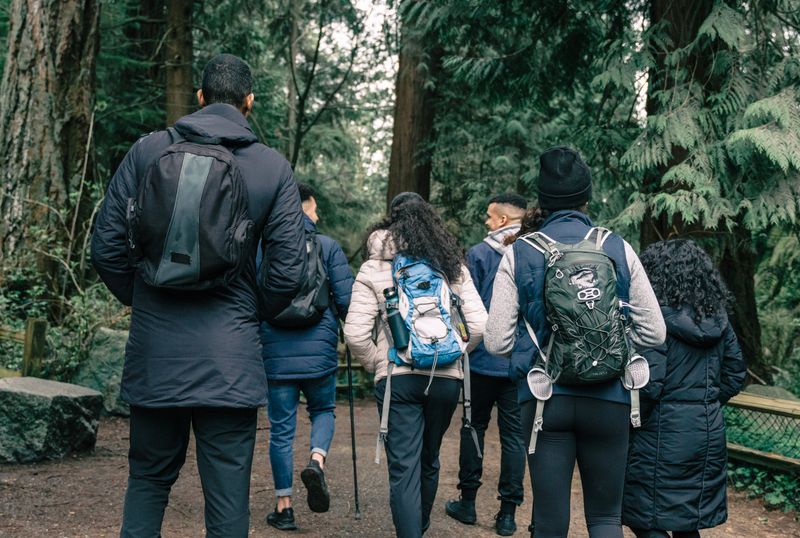
Walking meditation can be practiced alone or with others who support your recovery
If you're reading this for a loved one, you're already doing something important.
Resources for FamiliesOther Movement-Based Meditation Practices
Walking meditation is just one option. Depending on your preferences, energy level, and circumstances, other movement-based practices might suit you better.
Yoga as Moving Meditation
Yoga combines physical postures with breath awareness and present-moment attention. For people who can't sit still, the active engagement of yoga can provide the movement their body needs while still cultivating mindfulness. Exercise in recovery has been shown to support sobriety, and yoga offers physical activity along with the mental health benefits of meditation.
You don't need to be flexible or fit to practice yoga. Many styles, such as restorative or gentle yoga, are accessible to beginners and those with physical limitations. The goal isn't perfect poses but rather the integration of breath, movement, and awareness.
Mindful Stretching
If yoga feels too structured or time-consuming, simple mindful stretching can offer similar benefits. Spend a few minutes each morning slowly stretching your body, paying close attention to the sensations in your muscles, the rhythm of your breath, and the gradual release of tension. This can be done in bed before getting up or while waiting for your coffee to brew.
Tai Chi and Qigong
These ancient Chinese practices involve slow, flowing movements combined with breath awareness. They're particularly well-suited for people who find stillness difficult, as the continuous movement provides a focus for attention while the slow pace encourages mindfulness. Both practices have been studied for their benefits in reducing stress, improving balance, and supporting emotional regulation.
Mindful Household Tasks
Almost any activity can become a meditation practice when approached with full attention. Washing dishes, folding laundry, or gardening can all serve as opportunities for mindfulness. The key is to engage fully with what you're doing rather than treating it as something to rush through while your mind is elsewhere.
For many people in recovery, these everyday mindfulness practices are more sustainable than formal meditation sessions. They don't require setting aside extra time and naturally incorporate into daily routines, making them easier to maintain long-term.
Remember
The goal of meditation isn't to empty your mind or achieve perfect stillness. It's to develop a different relationship with your thoughts and feelings, one where you can observe them without being controlled by them. This skill is invaluable in recovery and can be cultivated through any form of mindful practice.
How Meditation Supports Addiction Recovery
Meditation, whether seated or movement-based, has emerged as a valuable tool in addiction treatment. Research shows that mindfulness-based interventions can address several key challenges people face in recovery.
Managing Cravings
One of meditation's most significant benefits for recovery is helping people develop a new relationship with cravings. Rather than being overwhelmed by the urge to use, mindfulness teaches you to observe cravings as temporary experiences that rise and fall like waves. This "urge surfing" technique can help you ride out difficult moments without acting on them.
Research from the University of Utah found that participants who received mindfulness-based treatment were nearly twice as likely to have stopped misusing opioids nine months later compared to those who received supportive psychotherapy alone. The practice helped them become more aware of automatic reactions and better able to make conscious choices about their behavior.
Emotional Regulation
Many people use substances to manage difficult emotions. Meditation develops the capacity to sit with uncomfortable feelings without needing to escape them. DBT skills for emotion regulation often incorporate mindfulness techniques precisely because they help build this tolerance for emotional discomfort.
Sources: University of Utah Health Research, published studies on Mindfulness-Oriented Recovery Enhancement (MORE), and JAMA Internal Medicine.
Stress Reduction
Stress is one of the most common triggers for relapse. Managing stress without substances is a critical recovery skill, and meditation directly addresses the stress response. Regular practice has been shown to lower cortisol levels, reduce blood pressure, and activate the parasympathetic nervous system, the part of your nervous system responsible for rest and relaxation.
Improving Sleep
Sleep disturbances are common in recovery and can increase vulnerability to relapse. Meditation practice, including movement-based approaches, has been studied for its effects on sleep, with research showing that regular practice can meaningfully improve sleep quality and reduce insomnia symptoms.

Meditation and mindfulness are often incorporated into comprehensive addiction treatment programs
Building Recovery Capital
A 2023 study published in the Journal of Substance Use and Addiction Treatment explored the relationship between mindfulness, meditation, and recovery capital, the resources and supports that help sustain recovery. Researchers found significant positive associations between mindfulness practice and recovery capital. In other words, meditation doesn't just help with symptoms; it contributes to building a foundation for long-term recovery success.
For Families
If you're supporting someone in recovery, consider learning these practices yourself. Mindfulness can help you manage your own stress, respond more calmly to difficult situations, and model healthy coping strategies. You might even practice together, such as taking mindful walks as a shared activity that supports both your wellbeing and your connection.
Getting Started: Practical Tips
Starting any new practice can feel overwhelming, especially when you're navigating recovery. Here are some practical suggestions for incorporating movement-based meditation into your life.
Start Small
You don't need to commit to 30-minute sessions right away. Even 5 minutes of mindful walking or stretching counts. Research on meditation-based therapies shows they can meaningfully reduce ADHD symptoms and improve emotional regulation, even with modest amounts of practice. Build gradually as the practice becomes more comfortable.
Attach It to Existing Habits
The easiest way to establish a new habit is to link it to something you already do. Perhaps you practice mindful walking during your lunch break, do mindful stretching before your morning shower, or engage in gratitude walking while walking the dog. Building sustainable coping mechanisms often works best when integrated into existing routines.
Use Technology Wisely
While the goal is to eventually practice without external guidance, apps can be helpful when starting out. Many meditation apps now offer specific programs for walking meditation, yoga, and other movement-based practices. The Williamsville Wellness sobriety support app includes resources that can support your mindfulness journey.
Be Patient with Yourself
Your mind will wander. You'll have days when the practice feels pointless or frustrating. This is normal and expected. Self-compassion is itself a mindfulness skill, and treating yourself with kindness when you struggle is part of the practice.
Find Your Fit
Not every movement-based practice will work for you, and that's okay. Try different approaches, walking meditation, yoga, tai chi, mindful stretching, and see what resonates. Your preference might change over time, too. What works during early recovery might be different from what serves you later.
✅ What You Can Do Today
- Take a 5-minute mindful walk, paying attention to each step
- Practice mindful stretching for 3 minutes before bed
- Turn one routine activity (dishes, showering) into a mindfulness practice
- Download a meditation app with walking meditation options
- Schedule a regular time for your movement practice
- Tell someone about your intention to start, creating accountability
- Notice when you feel restless and try gentle movement instead of fighting it
When Professional Support Helps
While movement-based meditation can be practiced independently, there are times when professional guidance makes a significant difference.
Integrating Meditation into Comprehensive Treatment
If you're struggling with addiction, meditation alone isn't a substitute for comprehensive treatment. It works best as part of a broader approach that might include therapy, group support, treatment for co-occurring mental health conditions, and other evidence-based interventions.
Many residential treatment programs now incorporate mindfulness and movement practices into their curriculum. This allows you to learn these skills in a supported environment with trained facilitators who can help you work through any challenges that arise.
When Meditation Brings Up Difficult Feelings
Sometimes meditation, even movement-based practices, can bring up uncomfortable emotions or memories. If you have a history of trauma, working with a therapist who understands both trauma and mindfulness can help you practice safely. They can guide you in using movement practices that feel stabilizing rather than destabilizing.
For Co-occurring Conditions
If you're dealing with ADHD, anxiety, bipolar disorder, or other conditions alongside addiction, professional guidance can help you adapt practices to your specific needs. What works for someone without these conditions might need modification for you, and a trained professional can help you find the right approach.
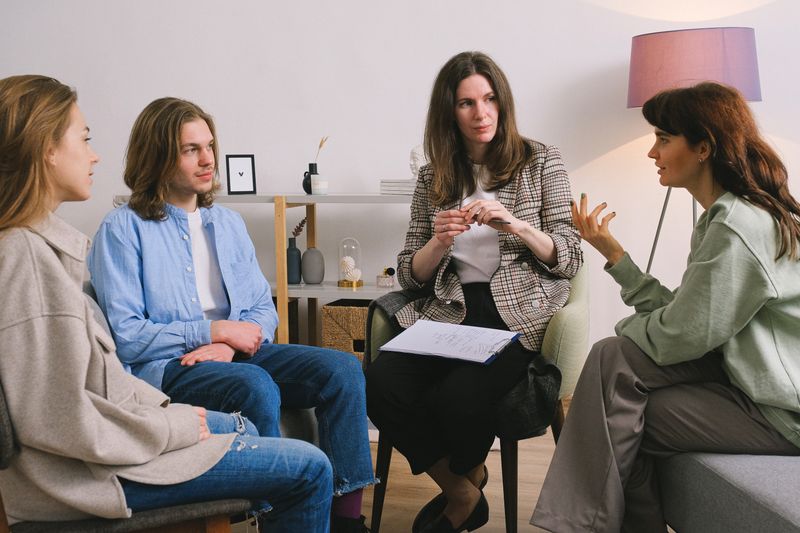
Professional support can help you integrate mindfulness practices into your recovery journey
🔑 Key Takeaways: Movement-Based Meditation
- You don't have to sit still to meditate effectively
- Walking meditation and other movement practices offer the same benefits as seated meditation
- Fidgeting and movement can actually help some brains focus better
- Mindfulness practice supports addiction recovery through craving management, emotional regulation, and stress reduction
- Starting small and being consistent matters more than lengthy sessions
- Professional support can enhance your practice, especially in early recovery
📖 You May Also Find Helpful
Mindfulness Practices That Support Sobriety
Explore additional mindfulness techniques designed for people in recovery.
How to Manage Stress Without Turning to Substances
Learn practical strategies for handling stress in healthy ways.
Coping Mechanisms for Addiction Recovery
Build a toolkit of healthy coping strategies for long-term success.
The First 90 Days of Sobriety: Your Complete Roadmap
Navigate the critical early months of recovery with confidence.
Anxiety and Addiction Recovery
Understand and address co-occurring anxiety and substance use.
Ready to Learn What Support Looks Like?
Whether you're exploring treatment options or looking for ways to strengthen your recovery, we're here to help you find what works for you.
📞 Call 804-655-0094Families often start with a short phone call. We're here when you're ready.