

What to Do Immediately After a Relapse
Your compassionate, evidence-based action plan for getting back on track
📚 What You'll Discover in This Guide
- Understanding Relapse: You're Not Alone
- Step 1: Ensure Your Immediate Safety
- Step 2: Reach Out for Support Right Away
- Step 3: Counter Shame with Compassion
- Step 4: Identify What Led to the Relapse
- Step 5: Develop Your Return-to-Recovery Plan
- Step 6: Reassess Your Treatment Needs
- Step 7: Strengthen Your Long-Term Recovery Foundation
- Moving Forward with Hope and Resilience
If you're reading this after experiencing a relapse, first know this: relapse doesn't mean failure, and it doesn't erase the progress you've made. What happens in the next hours and days matters more than the relapse itself. How you respond to this moment can become the turning point that leads to even stronger, more resilient recovery.
Relapse is a common part of many recovery journeys. According to the National Institute on Drug Abuse (NIDA), relapse rates for substance use disorders are between 40-60%, similar to relapse rates for other chronic conditions like hypertension and asthma. This isn't shared to normalize returning to substance use, but to help you understand that relapse is a medical reality, not a moral failing.
Recovery is not a straight line. It's a process of learning, adjusting, and building resilience. Every person who achieves long-term recovery has faced challenges, setbacks, and moments of doubt. What distinguishes those who maintain sustained recovery is not avoiding all difficulties—it's how they respond when difficulties arise.
This comprehensive guide provides a practical, compassionate action plan for what to do immediately after a relapse, based on current research and clinical best practices. Whether this is your first relapse or you've been here before, these steps can help you regain your footing and strengthen your recovery foundation. Understanding relapse warning signs can also help you recognize patterns and prevent future occurrences.
If you're reading this for someone you love who just relapsed, your presence and support matter more than you know. Keep reading—this information can help you help them.
Understanding Relapse: You're Not Alone
Before diving into the action steps, it's essential to understand what relapse actually is and what it isn't. Relapse occurs when someone returns to substance use after a period of abstinence. However, addiction specialists increasingly recognize that relapse is typically a process rather than a single event—it often begins days or weeks before actual substance use occurs.
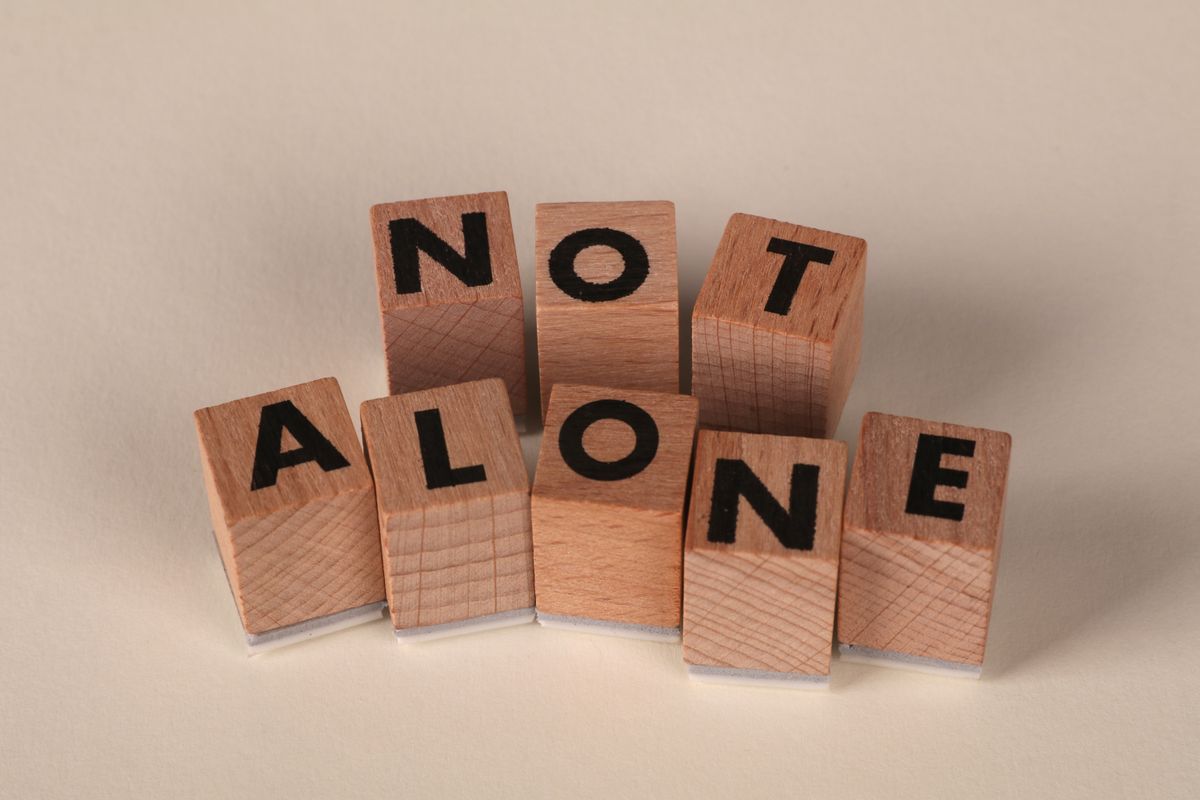
Understanding relapse as a process helps you respond with compassion rather than judgment
According to research from the National Institute on Drug Abuse, understanding relapse as part of the chronic disease model of addiction helps reduce shame and encourages people to return to treatment quickly—which significantly improves outcomes.
Sources: National Institute on Drug Abuse (NIDA) and Substance Abuse and Mental Health Services Administration (SAMHSA) research data
The stages of relapse help explain why early intervention is so crucial:
Emotional Relapse: You're not thinking about using, but your emotions and behaviors are setting you up for relapse. Warning signs include isolating yourself, not attending support meetings, poor self-care, and bottling up emotions. Recognizing these patterns is part of understanding how to manage stress in recovery.
Mental Relapse: Part of you wants to use, but another part doesn't. You might start thinking about people you used with, places where you used, or rationalizing that "just once" would be okay. This internal struggle creates significant cognitive dissonance and stress.
Physical Relapse: This is when you actually use substances again. For some people, this might be a single instance; for others, it might escalate quickly into a pattern similar to their previous use.
💡 Key Insight
Understanding these stages means you can intervene earlier in the relapse process. But even if you've reached physical relapse, recognizing it quickly and taking immediate action prevents the situation from worsening and helps you return to recovery faster.
Research also shows that multiple treatment episodes are common and don't indicate treatment failure. According to SAMHSA, most people who achieve long-term recovery have had multiple treatment experiences, and each one contributes valuable learning and skill development. If you're considering returning to treatment, exploring residential treatment options might provide the intensive support needed to rebuild your recovery foundation.
Step 1: Ensure Your Immediate Safety
Your first priority after a relapse is ensuring your physical safety. Depending on what you used, how much you used, and how long you've been abstinent, there may be immediate medical concerns that need attention.

Your physical safety is the absolute first priority after any relapse
⚠️ Seek Immediate Medical Attention If You Experience:
Chest pain or difficulty breathing • Severe confusion or loss of consciousness • Seizures • Extreme agitation or paranoia • Thoughts of harming yourself or others • Any overdose symptoms (call 911 immediately)
After a period of abstinence, your tolerance to substances decreases significantly. What you could previously handle may now be dangerous or even fatal. According to the Centers for Disease Control and Prevention (CDC), many fatal overdoses occur when people relapse and use at levels their bodies can no longer tolerate.
Assess Your Current Physical State
Check your breathing, heart rate, and overall awareness. If you feel any concerning physical symptoms, seek medical help immediately. Don't let embarrassment prevent you from getting necessary medical care.
Remove Access to Substances
If you have any remaining substances, dispose of them safely or have someone remove them from your environment immediately. Don't keep them "just in case"—this prolongs the danger and makes continued use more likely.
Contact Someone Who Can Support You
Reach out to a trusted person who can check on your physical wellbeing—a friend, family member, sponsor, or counselor. Having someone aware of your situation provides both safety and accountability.
Stay in a Safe Environment
Don't drive or operate machinery. Stay somewhere safe where you can be monitored if needed. If you're alone, consider going to a hospital, urgent care, or having someone stay with you until you're stable.
If you used opioids specifically, many communities now have access to naloxone (Narcan), which can reverse an opioid overdose. If you or someone you know uses opioids, having naloxone readily available can save lives. Many pharmacies provide it without a prescription, and training on its use is widely available.
Worried about whether you need medical attention? When in doubt, err on the side of caution. Our team at Williamsville Wellness can help you assess your situation and connect you with appropriate care. Call 804-655-0094 anytime.
Remember that medical professionals are there to help, not judge. Many states have Good Samaritan laws that provide legal protection for people seeking medical help for overdose situations. Your safety is always the priority.
Step 2: Reach Out for Support Right Away
Once your immediate physical safety is secured, the next crucial step is breaking the isolation that often follows relapse. Shame and embarrassment frequently cause people to withdraw and hide their relapse, but isolation is one of the most significant risk factors for continued use and delayed recovery.
Research consistently shows that people who reach out for support quickly after relapse have significantly better outcomes than those who isolate. According to addiction treatment research, the average time between relapse and return to treatment or support strongly predicts whether the relapse becomes a brief setback or a prolonged return to active addiction.

Reaching out for support quickly after relapse significantly improves recovery outcomes
Who should you contact? Prioritize people who:
Your Sponsor or Recovery Mentor: If you're involved in a 12-step program or have a recovery mentor, this person should be one of your first calls. They understand the recovery process and have likely experienced similar challenges themselves. They can provide guidance without judgment.
Your Therapist or Counselor: Contact your addiction treatment provider as soon as possible. They can help you process what happened, adjust your treatment plan, and provide professional guidance. If you're not currently in treatment, this is a clear signal that you need to reconnect with professional support. Consider reaching out to programs offering outpatient treatment options that can provide flexible support.
Supportive Family Members or Friends: Reach out to people who support your recovery and can provide non-judgmental support. Choose people who will help you stay accountable without shaming you. Understanding family dynamics can help you identify who will provide the most constructive support.
Crisis Hotlines: If you don't have immediate access to your support network, call the SAMHSA National Helpline at 1-800-662-HELP (4357). This free, confidential, 24/7 service can provide support, information, and referrals to local treatment facilities.
👨👩👧 For Families:
If your loved one reaches out to you after a relapse, your response in this moment matters tremendously. Try to separate your fear, anger, and disappointment from your immediate response. Listen without judgment, help them ensure their safety, and encourage them to seek professional help immediately. Your support—even when you're hurting—can be the difference between a brief setback and a prolonged crisis.
What should you say when reaching out? Keep it simple and honest:
"I relapsed yesterday and I need help getting back on track. Can we talk?"
"I used again and I'm scared. I need support to get back into recovery."
"I'm struggling after a relapse and need to talk to someone who understands."
You don't need to have all the answers or a complete plan when you reach out—you just need to break the isolation and allow support in. The specifics of your recovery plan can be developed with the help of your support network.
✅ Action Step for Today
If you haven't already, contact at least one person from your support network within the next hour. Set a specific time to talk with them, even if it's just a brief check-in. Breaking isolation is crucial, and it must happen quickly.
Step 3: Counter Shame with Compassion
Shame is perhaps the most dangerous emotion you'll face after a relapse. While guilt says "I made a mistake," shame says "I am a mistake." Shame tells you that you're fundamentally flawed, that recovery isn't possible for you, and that you might as well continue using since you've already "failed."
According to researcher Dr. Brené Brown, whose work on shame and vulnerability has transformed addiction treatment approaches, shame thrives in secrecy, silence, and judgment. The antidote to shame is empathy, connection, and self-compassion. This isn't about excusing the relapse or avoiding accountability—it's about maintaining the emotional foundation necessary to return to recovery.
Practicing self-compassion after relapse involves several key elements:
Acknowledge the Relapse Without Catastrophizing: Yes, you used substances again. That's a serious matter that needs to be addressed. But it doesn't mean you've lost everything, that recovery is impossible, or that all your previous efforts were wasted. Frame it accurately: this is a setback in an ongoing recovery process.
Recognize Your Common Humanity: You're not the first person to relapse, and you won't be the last. Relapse is a common experience in recovery from addiction. This doesn't minimize its seriousness, but it does help you understand that having difficulty with a chronic condition doesn't make you uniquely flawed.
Treat Yourself as You Would a Loved One: If someone you cared about relapsed, what would you say to them? Would you tell them they're worthless and recovery is pointless? Or would you express concern, encourage them to get help, and remind them that setbacks happen? Extend that same compassion to yourself.
Separate Your Actions from Your Identity: You engaged in substance use. That's a behavior, not an identity. You're not "a failure" or "worthless"—you're a person with a chronic condition who experienced a symptom of that condition. This distinction is crucial for maintaining the motivation to re-engage with recovery.

Self-compassion is essential for returning to recovery after a relapse
Self-compassion is not self-pity or self-indulgence. It's simply treating yourself with the same kindness and understanding you would offer to others facing similar challenges. Research shows that self-compassion actually increases motivation and accountability because it removes the paralysis that shame creates.
If you're struggling with overwhelming shame, consider working with a therapist trained in compassion-focused therapy or acceptance and commitment therapy. These approaches specifically address the shame that often accompanies addiction and relapse. Many people find that addressing underlying mental health conditions through co-occurring disorders treatment helps them develop more effective coping strategies.
Feeling overwhelmed by shame and not sure how to move forward? You're not alone in this. Our team understands and can provide the compassionate support you need.
Step 4: Identify What Led to the Relapse
Once you've addressed immediate safety, reached out for support, and begun countering shame with self-compassion, the next step is understanding what led to the relapse. This isn't about blame—it's about learning and prevention.
Most relapses don't happen randomly. They're typically preceded by a series of warning signs and circumstances that gradually increased relapse risk. Understanding your specific triggers and vulnerabilities helps you develop targeted strategies to prevent future relapses.
Research identifies several common relapse risk factors:
High-Risk Situations: Were you in places, with people, or in circumstances associated with your previous substance use? Exposure to environmental cues associated with using can trigger intense cravings and make relapse more likely.
Emotional Distress: Were you experiencing difficult emotions—anger, anxiety, depression, loneliness, or boredom? Many people use substances as a way to cope with uncomfortable feelings. If you haven't developed alternative coping skills, emotional distress becomes a major relapse risk. Learning DBT emotion regulation skills can provide powerful alternatives to substance use.
Relationship Conflicts: Were you dealing with significant relationship problems, either with family, friends, or romantic partners? Interpersonal stress is one of the most common relapse triggers.
Positive Emotions: Sometimes relapses occur during celebrations or times when things are going well. People may think "I deserve to celebrate" or "I've been doing so well that I can handle just one use."
Physical Discomfort: Were you in physical pain, exhausted, or dealing with illness? Physical discomfort and the desire for relief can trigger relapse, especially if you previously used substances to manage pain.
Disrupted Routine: Had your recovery routine been disrupted—missing meetings, skipping therapy appointments, or stopping medication? The structure of recovery activities provides protection, and when that structure breaks down, relapse risk increases.
🎯 Reflection Exercise
Take time to write down (or discuss with your counselor) the 24-48 hours leading up to your relapse. What were you feeling? Where were you? Who were you with? What thoughts were you having? This detailed analysis helps identify specific warning signs to watch for in the future.

Understanding relapse patterns is essential for strengthening your recovery foundation
Additionally, consider whether your previous treatment approach was adequately addressing your needs. According to NIDA's Principles of Drug Addiction Treatment, effective treatment must address all of a person's needs, not just their substance use. If you have untreated mental health conditions, chronic pain, trauma, or other issues that weren't being addressed, these may have contributed to your relapse.
Some important questions to consider:
- Was I attending therapy or counseling regularly?
- Was I engaged with a support group or recovery community?
- Was I taking prescribed medications as directed?
- Were there underlying issues (trauma, mental health conditions, chronic pain) that weren't being adequately addressed?
- Did I have a strong support network?
- Was my living situation conducive to recovery?
- Did I have meaning, purpose, and positive activities in my daily life?
If you struggled with anxiety and addiction, or other co-occurring conditions, understanding this connection can help you develop more comprehensive treatment strategies moving forward.
📋 Key Takeaways: Identifying Relapse Patterns
- ☑ Most relapses follow identifiable warning signs and patterns
- ☑ Emotional distress, high-risk situations, and disrupted routines are common triggers
- ☑ Understanding your specific triggers helps prevent future relapses
- ☑ Untreated co-occurring conditions significantly increase relapse risk
- ☑ Honest reflection without judgment is essential for learning from relapse
Step 5: Develop Your Return-to-Recovery Plan
Understanding what led to your relapse provides the foundation for developing a comprehensive plan to return to and strengthen your recovery. This plan should be specific, realistic, and address the gaps or vulnerabilities that contributed to the relapse.
Your return-to-recovery plan should include several key components:
Immediate Accountability: Establish daily check-ins with someone from your support network—a sponsor, counselor, family member, or friend. These brief conversations provide structure and accountability during the critical early days of returning to recovery.
Re-engage with Treatment: If you were in treatment but had disengaged, reconnect immediately. If you completed treatment but weren't participating in aftercare, restart those services. If you need a higher level of care than you previously received, arrange for that as quickly as possible. Consider flexible treatment options that can accommodate your schedule while providing intensive support.
Return to or Start Support Groups: Whether it's 12-step meetings, SMART Recovery, or other recovery support groups, regular attendance provides community, structure, and ongoing support. Commit to a specific schedule—for example, attending at least one meeting daily for the first week.
Address Identified Triggers: Based on your relapse analysis, develop specific strategies for managing the triggers you identified. If loneliness was a trigger, build social connection into your daily routine. If stress management was the issue, learn and practice specific stress management techniques.

A clear, specific return-to-recovery plan provides direction and accountability
Create Structure and Routine
Develop a daily schedule that includes recovery activities, self-care, work or purposeful activity, and healthy social connection. Structure reduces decision fatigue and provides stability during a vulnerable time.
Modify Your Environment
Remove triggers from your environment where possible. This might mean changing your route to work to avoid high-risk locations, removing contact information for people you used with, or changing your living situation if it doesn't support recovery.
Develop Coping Skills
Work with your therapist to develop specific coping strategies for managing cravings, emotional distress, and high-risk situations. Practice these skills regularly, not just when you're struggling.
Plan for Challenges
Identify specific high-risk situations you might encounter and develop a concrete plan for how you'll handle them. Having a plan in advance significantly increases the likelihood you'll respond effectively in the moment.
Your plan should also include specific metrics for measuring progress. Rather than vague goals like "do better," set specific, measurable objectives:
- Attend therapy weekly for the next three months
- Go to at least five support group meetings per week for the first month
- Check in with my sponsor daily for the first two weeks
- Practice mindfulness meditation for 10 minutes each morning
- Engage in physical activity at least four times per week
- Maintain a daily journal documenting emotions, triggers, and coping strategies used
Not sure what level of treatment you need right now? Our team can conduct a confidential assessment and help you determine the most appropriate level of care for your situation.
Remember that your plan may need adjustment as you progress. Work closely with your treatment team to modify strategies based on what's working and what isn't. Flexibility within a structured framework provides the best foundation for sustained recovery.
Step 6: Reassess Your Treatment Needs
A relapse often indicates that your previous treatment approach wasn't fully meeting your needs. This doesn't mean the treatment was bad or that you failed—it simply means adjustments are needed. According to SAMHSA treatment guidelines, treatment plans should be continuously evaluated and modified based on the individual's changing needs and circumstances.
Consider whether you need a different level of care:
Residential Treatment: If you were previously in outpatient treatment, you might benefit from the more intensive, structured environment of residential treatment. Residential programs provide 24/7 support, remove you from triggering environments, and allow you to focus entirely on recovery for a period of time.
Intensive Outpatient Programs (IOP): If you were relying only on individual therapy or support groups, stepping up to an intensive outpatient program might provide the additional structure and support you need while allowing you to maintain work or family obligations.
Partial Hospitalization Programs (PHP): These programs offer nearly the intensity of residential treatment but allow you to return home in the evenings. PHP programs work well for people who need significant support but have a stable, recovery-supportive home environment.
Specialized Treatment: If you have co-occurring mental health conditions that weren't adequately addressed, seeking treatment that specifically addresses both addiction and mental health simultaneously can significantly improve outcomes. Research shows that integrated dual diagnosis treatment is more effective than treating conditions separately.

Reassessing treatment needs after relapse helps ensure you receive appropriate care
👨👩👧 For Families:
If your loved one needs to return to treatment, understanding insurance coverage and treatment options can help you support them through this process. Many families worry about the cost of treatment, but the cost of untreated addiction—in terms of health consequences, legal issues, and lost opportunities—typically far exceeds treatment costs.
You might also benefit from different therapeutic approaches:
Medication-Assisted Treatment (MAT): If you weren't using medications and relapsed, or if the medications you were using weren't effective, discuss other medication options with a psychiatrist who specializes in addiction. Medications like naltrexone, buprenorphine, or acamprosate can significantly reduce cravings and relapse risk when combined with counseling.
Trauma-Focused Therapy: If unresolved trauma contributed to your relapse, therapies like EMDR (Eye Movement Desensitization and Reprocessing) or trauma-focused CBT can help process traumatic experiences that may be underlying your substance use.
Family Therapy: If relationship issues contributed to your relapse, involving family members in treatment can help address dysfunctional patterns and build a more supportive recovery environment.
Don't be discouraged if you need to try different treatment approaches. Research shows that finding the right "fit" between the individual and the treatment approach is crucial for success. What works for one person may not work for another, and what didn't work during one treatment episode might be effective at a different time.
💡 Treatment Consideration
If you've tried the same approach multiple times without success, it's time to try something different. This might mean a different treatment setting, different therapeutic approach, or addressing previously unidentified issues that are contributing to relapse.
Step 7: Strengthen Your Long-Term Recovery Foundation
While immediate steps after relapse focus on stabilization and safety, building long-term recovery requires attention to broader life factors that support sustained wellness. Research consistently shows that recovery is about much more than just not using substances—it's about building a meaningful, fulfilling life.
According to SAMHSA's definition of recovery, it's "a process of change through which individuals improve their health and wellness, live a self-directed life, and strive to reach their full potential." This holistic view acknowledges that addressing substance use alone isn't sufficient—you need to build a life that supports recovery across multiple domains.
Develop Purpose and Meaning: Many people in recovery find that having a sense of purpose significantly strengthens their commitment to sobriety. This might come from work, education, volunteering, creative pursuits, or spiritual practices. What gives your life meaning beyond just avoiding substances?
Build Positive Relationships: Recovery requires rebuilding or developing healthy relationships. This means spending time with people who support your recovery, setting boundaries with people who don't, and learning how to develop genuine connection without substances. Consider joining recovery-focused social activities or groups based on your interests.
Address Physical Health: Substance use often takes a toll on physical health, and poor physical health can increase relapse risk. Regular exercise, adequate sleep, proper nutrition, and medical care for any health issues all support recovery. Research shows that exercise in recovery has multiple benefits including reduced cravings and improved mood.
Continue Learning and Growing: Education about addiction, recovery, mental health, and life skills strengthens recovery. This might include formal education, vocational training, recovery education programs, or self-directed learning. Growth and development provide both practical benefits and psychological satisfaction.

Building a fulfilling life supports long-term recovery and resilience
Develop Financial Stability: Financial stress is a common relapse trigger. Working toward financial stability—through employment, education, debt management, and financial planning—reduces this stress. If financial problems contributed to your relapse, addressing them directly as part of your recovery plan is essential.
Create Structure and Routine: Recovery thrives on structure. Establishing consistent routines for sleep, meals, exercise, recovery activities, and work or purposeful activity provides stability and reduces decision fatigue. When your day has positive structure, there's less room for old patterns to creep back in.
Practice Self-Care: Developing consistent self-care practices—including activities that bring you joy, relaxation, and peace—is crucial. This might include hobbies, time in nature, creative expression, or spiritual practices. Self-care isn't selfish; it's essential for maintaining the emotional resources needed for sustained recovery.
📋 What You Can Do This Week
- ☐ Attend at least three support group meetings
- ☐ Schedule appointments with therapist and/or psychiatrist
- ☐ Establish daily check-ins with accountability partner
- ☐ Remove triggers from your environment
- ☐ Engage in physical activity at least three times
- ☐ Practice one new coping skill daily
- ☐ Write down your return-to-recovery plan with specific, measurable goals
Remember that building these foundations takes time. Progress won't be linear, and you'll have good days and challenging days. What matters is maintaining your commitment to recovery even when it's difficult, learning from setbacks, and continuing to move forward.
Finding a strong support network and engaging with recovery communities can provide ongoing encouragement and practical support as you rebuild your life in recovery.
Moving Forward with Hope and Resilience
If you're reading this after experiencing a relapse, you've already taken one of the most important steps—you're seeking information and help rather than giving up. That action alone demonstrates strength and commitment to your recovery.
Relapse is not the end of your recovery story. For many people, it becomes a turning point—the moment they truly understand what they need to do differently, get more intensive support, address underlying issues, or develop deeper self-awareness. Many individuals who achieve long-term recovery report that their relapses, while painful, taught them essential lessons that ultimately strengthened their recovery.
Research provides genuine reasons for hope. According to recovery outcome studies:
- Most people who experience relapse and return to treatment eventually achieve sustained recovery
- Each treatment episode provides valuable learning and skill development that supports future success
- People who respond quickly to relapse by seeking help have significantly better outcomes than those who delay
- Long-term recovery rates improve with each year of sustained abstinence
- Many people who achieve recovery report that their lives are better than they ever imagined possible
The path forward starts with the next right action. You don't need to have everything figured out or be perfect from this moment forward. You just need to take one step, then another, then another. Reach out for support. Be honest about what happened. Treat yourself with compassion. Get the help you need. Build your recovery one day at a time.
Recovery is possible. You've already demonstrated tremendous strength by working toward recovery in the first place. That strength hasn't disappeared—it's still within you. Use it now to take the next step forward.

Recovery is a journey of resilience, growth, and hope
💡 Key Takeaways
- ✓ Relapse is common, not failure: 40-60% of people in recovery experience relapse. What matters most is how quickly you respond.
- ✓ Safety comes first: Ensure your physical wellbeing immediately, and don't hesitate to seek medical attention if needed.
- ✓ Break isolation quickly: Reach out to your support network within hours, not days or weeks. Isolation worsens outcomes.
- ✓ Counter shame with self-compassion: Shame keeps people stuck. Self-compassion creates the emotional foundation for returning to recovery.
- ✓ Learn from the experience: Understanding what led to relapse helps prevent future occurrences and strengthens recovery.
- ✓ Reassess your treatment needs: Relapse often indicates that adjustments to your treatment approach are needed.
- ✓ Build a meaningful life: Long-term recovery requires creating purpose, connection, and fulfillment beyond just avoiding substances.
📖 You May Also Find Helpful
The First 90 Days of Sobriety: Your Complete Recovery Roadmap
Start fresh after relapse with clear guidance.
Coping Mechanisms for Addiction Recovery
Build stronger skills to prevent future relapse.
Self-Compassion in Addiction Recovery
Replace shame with kindness and understanding.
Mindfulness Practices That Support Sobriety
Stay present and grounded in recovery.
Recovery Stories: Real Experiences of Hope and Healing
Find inspiration from others who've overcome relapse.
Free Recovery Tools
Access helpful resources to support your recovery journey.
We're Here When You're Ready
If you've experienced a relapse, you don't have to figure this out alone. At Williamsville Wellness, we understand that relapse happens, and we provide compassionate, evidence-based treatment that addresses both addiction and underlying issues contributing to relapse.
Our team can help you assess your situation, determine the appropriate level of care, and develop a comprehensive plan to strengthen your recovery. We offer residential treatment, outpatient programs, and specialized treatment for co-occurring disorders.
📞 Call 804-655-0094You'll speak with a compassionate team member who understands what you're going through. We're available 24/7 because we know that support can't wait.