

Cross-Addiction: When Quitting One Substance Leads to Another
Understanding why addiction patterns can shift and how comprehensive treatment prevents trading one dependency for another
📚 What You'll Learn in This Guide
- Understanding Cross-Addiction and Addiction Transfer
- The Neuroscience Behind Shifting Addictions
- Common Cross-Addiction Patterns
- Who Is Most at Risk
- Recognizing the Warning Signs
- When Behaviors Become the New Substance
- How Comprehensive Treatment Prevents Cross-Addiction
- Support for Families
- What You Can Do Today
Recovery from substance use disorder is one of the most significant achievements a person can accomplish. The commitment to put down drugs or alcohol and build a new life requires immense courage, strength, and support. Yet for some individuals in recovery, a troubling pattern emerges: the substance they worked so hard to quit gets replaced by another addictive behavior or substance. This phenomenon, known as cross-addiction or addiction transfer, represents a critical challenge in the recovery journey that deserves careful attention and understanding.
Cross-addiction occurs when someone who has stopped using one substance or engaging in one addictive behavior develops a new dependency. This might look like someone in recovery from alcohol who begins compulsively gambling, or a person who quit opioids but starts drinking heavily. The shift can happen gradually, almost imperceptibly, as the brain seeks familiar patterns of reward and escape.
Understanding cross-addiction is not about creating fear around recovery. It's about empowering individuals with knowledge so they can recognize potential warning signs and seek comprehensive treatment that addresses the root causes of addiction rather than just the symptoms.
The good news is that research actually shows encouraging findings about recovery. A landmark study published in JAMA Psychiatry found that individuals who achieve remission from a substance use disorder have less than half the risk of developing a new substance use disorder compared to those who remain in active addiction. This suggests that proper treatment and recovery are actually protective factors, not risk factors. The key is ensuring that recovery addresses the underlying issues driving addictive behavior, not just the specific substance being used.
For families: If you've watched your loved one successfully quit one substance only to develop concerning behaviors around another activity or substance, you're not imagining things. This pattern is recognized and treatable, and your observations matter.

Recovery involves understanding the deeper patterns that drive addictive behaviors
Understanding Cross-Addiction and Addiction Transfer
Cross-addiction, sometimes called addiction transfer, substitute addiction, or replacement addiction, refers to the phenomenon where a person in recovery from one addiction develops another. While the terms are often used interchangeably, understanding the concept requires looking beyond simple definitions to the underlying mechanisms at play.
At its core, cross-addiction reflects the reality that addiction is not simply about a specific substance but rather involves fundamental changes in how the brain processes reward, manages stress, and regulates behavior. When someone develops a substance use disorder, their brain's reward system becomes altered in ways that persist even after the substance is removed.
It's important to distinguish between healthy coping strategies and problematic replacement behaviors. Someone in early recovery who takes up running as a stress management tool is making a healthy choice. But when that same person begins running compulsively, through injury, at the expense of relationships and responsibilities, experiencing distress when unable to run, the line has been crossed into potentially problematic territory.
Sources: Clinical Psychology Review systematic review (2021); Harvard Review of Psychiatry meta-analysis; JAMA Psychiatry national cohort study.
A comprehensive systematic review examining addiction substitution found that for every study showing increased risk of developing a new addiction during recovery, approximately three studies found that people achieved concurrent recovery across multiple addictive behaviors. This suggests that while cross-addiction is a real phenomenon requiring attention, it is far from inevitable, and comprehensive treatment can address multiple addictive patterns simultaneously.
If you're wondering whether this applies to your situation, our team can help you talk it through.
Call 804-655-0094The Neuroscience Behind Shifting Addictions
To understand why cross-addiction occurs, we need to look at how addiction affects the brain. Groundbreaking research from the National Institutes of Health has revealed that drugs of abuse fundamentally alter brain reward systems, hijacking circuits that normally motivate us toward health, relationships, and natural pleasures.
The brain's reward center, particularly the nucleus accumbens, uses dopamine to signal pleasure and motivate behavior. When substances like alcohol, opioids, or stimulants flood this system with dopamine, the brain adapts by reducing its natural dopamine production and decreasing the number of dopamine receptors. This creates a state called "reward deficiency," where normal activities no longer provide the same satisfaction they once did.
When the original substance is removed during recovery, the brain remains in this altered state for some time. This helps explain why people in early recovery often describe feeling flat, unmotivated, or unable to enjoy activities that used to bring pleasure. The brain is literally recalibrating, a process that takes time and support.
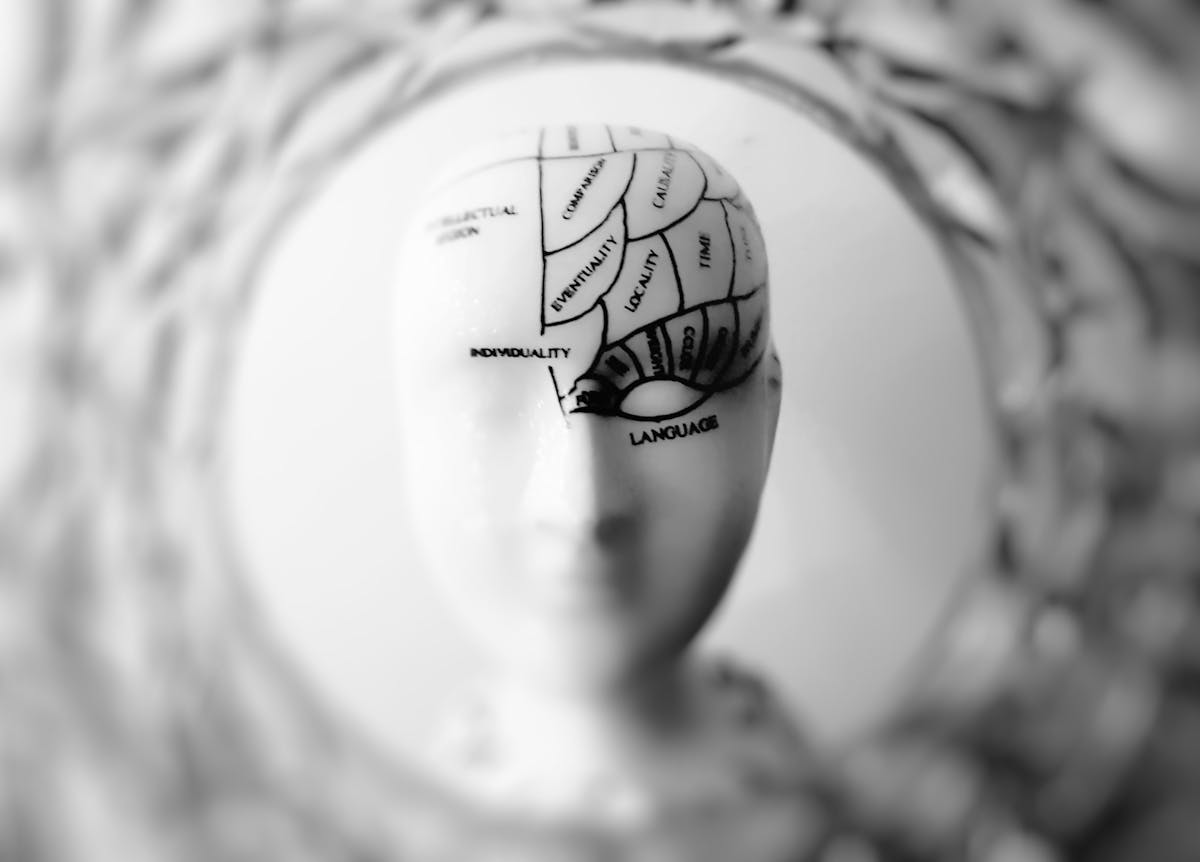
Understanding brain chemistry helps explain why comprehensive treatment is essential
🧠 Understanding Your Brain in Recovery
Research shows that while the brain's reward system is altered by addiction, it can heal over time with sustained recovery. Studies from the Recovery Research Institute at Massachusetts General Hospital indicate significant improvements in brain function within the first year of sobriety, with continued healing beyond that point. This healing process can be supported through trauma-informed care and comprehensive treatment approaches.
The phenomenon of cross-addiction makes neurobiological sense in this context. A brain that has been conditioned to seek intense reward experiences doesn't simply forget how to do so when one avenue is closed. Without addressing the underlying reward dysregulation, the brain may naturally gravitate toward other activities that provide similar dopamine release, whether that's gambling, shopping, eating, sex, or another substance.
Researchers have identified that the same neural pathways and genetic factors that predispose someone to one addiction often predispose them to others. This shared vulnerability helps explain why co-occurring disorders are so common and why comprehensive treatment is so important.
🔑 Key Takeaways: The Science of Cross-Addiction
- Addiction alters brain reward circuits in ways that persist beyond stopping substance use
- Dopamine dysregulation can drive the brain to seek alternative sources of intense reward
- The same genetic and neural factors often underlie multiple addictive behaviors
- Brain healing is possible with sustained recovery and comprehensive treatment
Common Cross-Addiction Patterns
Cross-addiction can manifest in various ways, and understanding common patterns can help individuals and their families recognize potential warning signs early. While any combination is possible, certain patterns appear more frequently in clinical settings and research.
Substance-to-Substance Transfer
One of the most recognized patterns involves switching from one substance to another. Common examples include:
Alcohol to Benzodiazepines
Both substances affect the GABA system in the brain, creating similar effects of relaxation and anxiety relief. Someone who quit drinking may find benzodiazepines provide a familiar feeling.
Opioids to Alcohol
After stopping opioid use, some individuals increase alcohol consumption, sometimes not recognizing it as problematic because "at least it's not pills." Both substances can serve as ways to numb emotional pain.
Stimulants to Marijuana
Someone who quit cocaine or methamphetamine might begin using marijuana daily, rationalizing it as a "safer" option while developing a new dependency.
Various Substances to Nicotine or Caffeine
Heavy use of nicotine or caffeine can become their own form of dependency. Research indicates that 34% of alcohol-dependent individuals developed nicotine dependence within six months of cessation.
Substance-to-Behavior Transfer
Perhaps more commonly overlooked, the shift from substance use to compulsive behaviors represents a significant cross-addiction pattern. Research shows strong connections between substance use disorders and behavioral addictions, with gambling, food, and internet use among the most common replacements.
Studies have found that the rate of problem gambling is 17% among those with alcohol use disorder compared to 4.6% in the general population. Similarly, problem gambling appears in 33% of those with marijuana use disorder, representing a sevenfold increase over baseline rates.
Source: Lorains et al., Addiction (2011), systematic review and meta-analysis of population surveys.

One-on-one therapy helps identify personal patterns and develop targeted coping strategies
For families: You might notice your loved one spending increasing amounts of time gaming, shopping online, or at the casino, even as they maintain sobriety from substances. Trust your instincts, these behaviors can become problematic even when they seem "safer" than drugs or alcohol.
Who Is Most at Risk
While anyone in recovery could potentially develop cross-addiction patterns, research has identified several factors that increase vulnerability. Understanding these risk factors can help individuals and treatment providers be more vigilant and proactive.
⚠️ Primary Risk Factors for Cross-Addiction
The systematic review of addiction substitution identified several consistent predictors: male gender, younger age, greater severity of initial substance use, presence of mental health disorders, and multiple substance use. Those with co-occurring mental health conditions showed particularly elevated risk and poorer treatment outcomes without integrated care.
Untreated Mental Health Conditions
Perhaps the most significant risk factor for cross-addiction is the presence of untreated or undertreated mental health conditions. Anxiety, depression, trauma, and ADHD are particularly implicated. Research indicates that untreated ADHD can increase the risk of addiction replacement by more than three times.
When substances were being used to self-medicate underlying conditions, simply removing the substance without addressing the condition leaves a significant gap. The brain still experiences the original distress, whether that's anxiety, depression, trauma responses, or another issue, and naturally seeks relief.
Unprocessed Trauma
Many individuals develop addiction as a way to cope with trauma. The substance provides temporary escape from painful memories, emotions, or physical sensations. Trauma-informed treatment recognizes that without processing the underlying trauma, the need for escape remains, making substitute behaviors more likely.
Inadequate Coping Skills
Recovery requires developing new ways to handle stress, boredom, anxiety, and other challenging emotions. When treatment doesn't adequately teach and practice these skills, individuals may resort to familiar patterns, just with different substances or behaviors. Learning healthy coping mechanisms is essential for sustainable recovery.
Not sure what's going on? We can help you untangle it. Our team specializes in understanding complex patterns.
Call 804-655-0094Environmental Factors
Isolation, lack of support, ongoing stress, and exposure to triggering environments all increase vulnerability. Recovery thrives in supportive communities with healthy activities and connections. Building a sober support network provides protection against both relapse and cross-addiction.
Recognizing the Warning Signs
Early recognition of potential cross-addiction patterns allows for intervention before behaviors become entrenched. The warning signs often mirror those of the original addiction, just focused on a different activity or substance.
Preoccupation
Spending excessive time thinking about, planning for, or engaging in the new activity. Difficulty focusing on other responsibilities or relationships because thoughts keep returning to the behavior.
Tolerance
Needing more of the activity to achieve the same satisfaction. What started as occasional becomes daily; what started as small becomes excessive.
Withdrawal-Like Symptoms
Experiencing anxiety, irritability, restlessness, or depression when unable to engage in the behavior. The activity becomes necessary to feel "normal."
Continued Despite Consequences
Persisting in the behavior despite negative effects on finances, relationships, work, or health. Making excuses or minimizing the impact.
Secrecy and Defensiveness
Hiding the extent of involvement, lying about time or money spent, or becoming defensive when questioned. These behaviors often indicate awareness that something is wrong.
A helpful question to ask: "Is this behavior enhancing my recovery and life, or is it starting to feel like something I need rather than something I choose?" The shift from choice to compulsion is a critical distinction.

Group support helps individuals recognize patterns and maintain accountability
When Behaviors Become the New Substance
The American Society of Addiction Medicine recognizes that addiction can involve compulsive behaviors, not just substances. The brain's reward system responds similarly to both, which explains why behavioral addictions can be just as consuming and destructive as substance use disorders.
Gambling
Gambling disorder is the only behavioral addiction currently recognized in the DSM-5, reflecting substantial research showing its neurobiological similarity to substance addictions. Problem gambling has extremely high co-occurrence with substance use disorders, and relapse rates of 50-75% highlight the challenging nature of this condition. The accessibility of online gambling has made this an increasingly common concern.
Food and Eating
The relationship between food and addiction is complex. Some research suggests that 11-14% of people may experience symptoms consistent with food addiction. This pattern is particularly notable following bariatric surgery, where studies estimate up to 30% of patients who previously struggled with compulsive eating develop other addictive behaviors, including alcohol use disorder.
Shopping and Spending
Compulsive buying affects approximately 6% of Americans and can devastate finances and relationships. The dopamine rush of making purchases can mimic the reward experienced with substances, and online shopping has made this behavior easier to hide and engage in compulsively.
Exercise
Exercise is generally healthy, but compulsive exercise represents a real phenomenon affecting approximately 6% of regular exercisers. When exercise becomes mandatory rather than chosen, when injury or fatigue don't stop someone from working out, or when exercise interferes with relationships and responsibilities, it has crossed into problematic territory.
Technology and Gaming
Internet and gaming addiction affects an estimated 1.5-8.2% of people, with rates particularly high among young adults. The endless scroll of social media, the achievement loops of video games, and the constant connectivity of smartphones all engage reward circuits in ways that can become compulsive.
🔑 Key Takeaways: Behavioral Addictions
- Behavioral addictions activate the same brain reward systems as substances
- They often co-occur with substance use disorders at elevated rates
- What distinguishes addiction from healthy behavior is loss of control and continued use despite consequences
- Treatment approaches for behavioral addictions mirror those for substance disorders
Effective treatment addresses the root causes of addiction, not just the symptoms. A short conversation can help clarify your next steps, no pressure, just real answers.
Call 804-655-0094How Comprehensive Treatment Prevents Cross-Addiction
The most effective way to prevent cross-addiction is to ensure that initial treatment addresses the full picture of what's driving addictive behavior. Dual diagnosis treatment that simultaneously addresses substance use and mental health represents the gold standard for reducing risk.
Addressing Underlying Conditions
When treatment identifies and addresses co-occurring mental health conditions, whether that's depression, anxiety, trauma, ADHD, or other issues, it removes a major driver of addictive behavior. Medication, therapy, and skills training can provide healthy ways to manage symptoms that previously drove substance use.
Building Comprehensive Coping Skills
Quality treatment programs teach multiple strategies for managing stress, regulating emotions, and tolerating discomfort. These skills become the tools that replace substances, not other addictive behaviors. Techniques from DBT, CBT, and mindfulness-based approaches all contribute to a robust coping toolkit.

Comprehensive treatment addresses root causes while building healthy coping skills
Processing Trauma
For individuals whose addiction developed as a trauma response, trauma-informed treatment is essential. Approaches like EMDR, trauma-focused CBT, and somatic therapies can help process traumatic experiences so they no longer drive compulsive behavior.
Creating Sustainable Lifestyle Changes
The first 90 days of sobriety and beyond require building a new life that supports recovery. This includes healthy relationships, meaningful activities, physical wellness, and connection to supportive communities. When life feels full and purposeful, the pull toward any addictive behavior diminishes.
Ongoing Monitoring and Support
Cross-addiction risk doesn't disappear after treatment. Continuing care provides ongoing support and monitoring, allowing early intervention if concerning patterns emerge. Regular check-ins with therapists, sponsors, or support groups create accountability and opportunity to address issues early.
🛡️ The Protective Power of Comprehensive Treatment
Research consistently shows that comprehensive treatment addressing multiple dimensions of addiction, including mental health, trauma, coping skills, and lifestyle factors, produces better outcomes than narrowly focused approaches. The investment in thorough treatment pays dividends in reduced risk of both relapse and cross-addiction.
Support for Families
Watching a loved one cycle through different addictive patterns can be exhausting and confusing. Understanding cross-addiction helps families recognize what they're seeing and respond effectively.
For families: If you've felt like something is "off" even though your loved one is sober, trust your observations. You've likely developed a sensitive radar for addictive behavior. Your concerns are valid and worth exploring.
What You Can Do
Express Concern Without Judgment
Approach conversations from a place of care rather than accusation. "I've noticed you're spending a lot of time/money on X and I'm worried about you" opens dialogue better than confrontation.
Encourage Professional Evaluation
A qualified professional can help determine whether behavior has crossed into problematic territory. Supporting your loved one in getting an assessment is valuable.
Get Your Own Support
Family members need support too. Al-Anon, therapy, and family education programs help you understand addiction dynamics and maintain your own wellbeing.
Maintain Healthy Boundaries
Supporting someone doesn't mean enabling harmful behavior. Clear boundaries protect both you and your loved one.
Family dynamics play a significant role in both addiction and recovery. Healing often works best when the whole family system is involved in the recovery process.
Families often start with a short phone call. We're here when you're ready to talk through what you're seeing.
Call 804-655-0094What You Can Do Today
Whether you're concerned about yourself or a loved one, taking action doesn't have to mean making major decisions immediately. Small steps can make a significant difference.
✅ What You Can Do Today
- Honestly assess whether any new behaviors in recovery might be becoming compulsive
- Talk with a sponsor, therapist, or trusted friend about any concerns
- Review whether current recovery efforts address underlying mental health issues
- Consider whether additional or different treatment might be helpful
- Strengthen connections with supportive people who understand recovery
- Practice healthy coping strategies you've learned in treatment
- If you're a family member, express your concerns with compassion and encourage professional evaluation
- Reach out for a confidential conversation about your specific situation
Recovery is a journey, not a destination. Recognizing potential cross-addiction patterns early allows for course correction before behaviors become deeply entrenched. With the right support and comprehensive treatment, sustainable recovery that addresses all aspects of addiction is absolutely possible.

Recovery thrives with comprehensive support and genuine connection
You May Also Find Helpful
Relapse Warning Signs
Learn to recognize the subtle signs that recovery may need additional support.
Coping Mechanisms for Addiction Recovery
Develop healthy strategies for managing stress and difficult emotions.
Building a Sober Support Network
Create connections that protect and sustain long-term recovery.
The Link Between Gambling Addiction and Substance Abuse
Understand the connection between these commonly co-occurring conditions.
Get Answers About Dual Diagnosis Treatment
Comprehensive treatment that addresses both addiction and underlying conditions offers the best protection against cross-addiction patterns.
📞 Call 804-655-0094Talk with someone who understands. No pressure, no judgment, just real answers about what treatment looks like and how we can help.