Senior Adults and Addiction: A Growing Hidden Crisis
Understanding why substance use disorders among older Americans are rising, and how families can recognize the warning signs
📚 What You'll Discover in This Guide
- The Hidden Epidemic: Addiction Among Older Adults
- Why Senior Addiction Is Rising
- Prescription Medications and the Path to Dependence
- Alcohol Use Disorder in Older Adults
- The Loneliness and Isolation Connection
- Recognizing Warning Signs in Older Adults
- Barriers to Treatment for Seniors
- Treatment Works: Recovery at Any Age
- How Families Can Help
When we picture someone struggling with addiction, we rarely imagine a retired schoolteacher, a grandfather, or someone in their 70s. Yet substance use disorders among older adults represent one of the fastest-growing health crises in America, often hiding in plain sight while family members, healthcare providers, and even the individuals themselves remain unaware.
The numbers tell a sobering story. According to the Substance Abuse and Mental Health Services Administration (SAMHSA), approximately 1 in 11 adults aged 60 and older had a substance use disorder in the past year. The number of adults aged 55 and over seeking addiction treatment increased by more than 50 percent between 2009 and 2020, a trend that shows no signs of slowing.
This crisis often remains invisible because addiction in older adults looks different. The signs that might be obvious in younger people, such as job loss or legal troubles, may not apply to retirees. Instead, family members might attribute changes in behavior to "normal aging" or dismiss concerns about their loved one's drinking or medication use.
At Williamsville Wellness, we've seen an increasing number of older adults seeking help for substance use disorders, and we've witnessed firsthand that recovery is absolutely possible regardless of age. In fact, research suggests that once older adults engage in treatment, they often respond as well as or better than younger patients. Understanding this growing crisis is the first step toward helping the seniors in our lives receive the support they deserve.
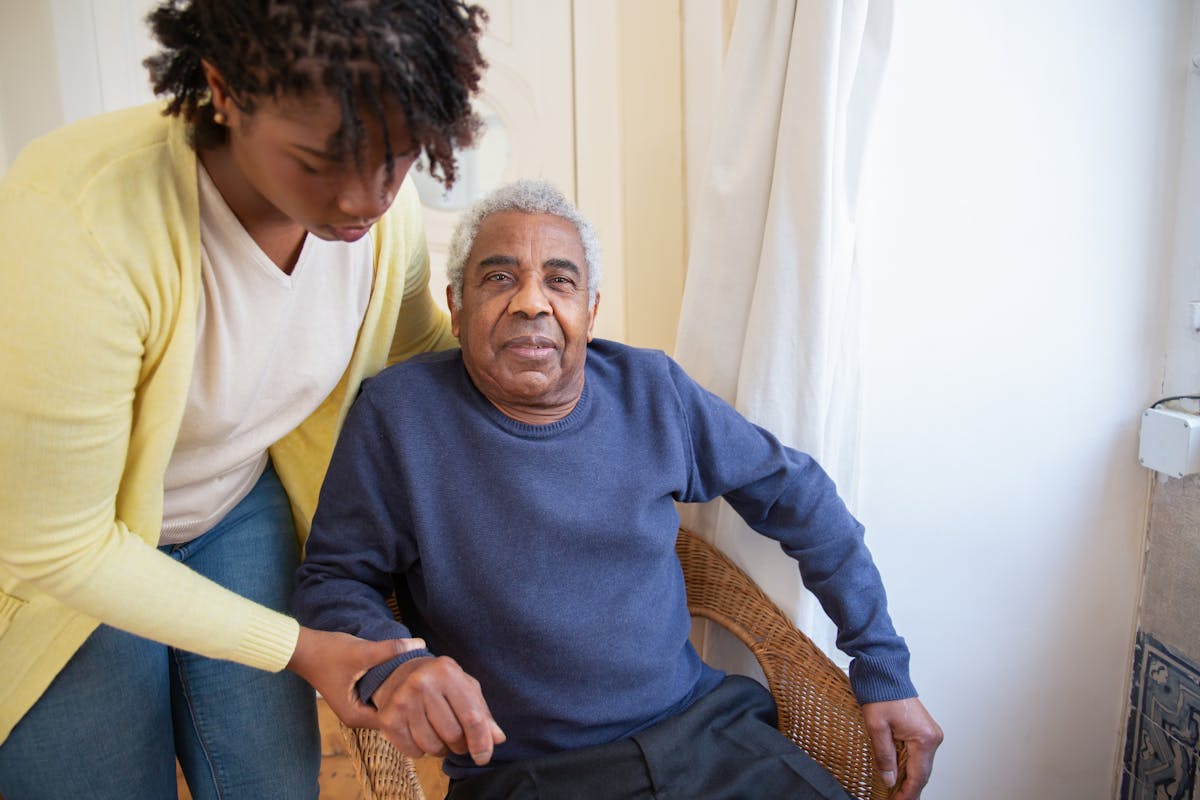
Addiction in seniors often goes unrecognized, hiding behind assumptions about normal aging
Why Senior Addiction Is Rising
Several interconnected factors are driving the increase in substance use disorders among older adults. Understanding these factors helps families recognize when their loved ones may be at risk and provides context for the complex nature of addiction in later life.
The Baby Boomer Effect
The generation now entering their senior years had significantly more exposure to drugs and alcohol in their youth compared to previous generations. Patterns established decades ago can persist or re-emerge during the stresses of later life.
Chronic Pain and Prescription Opioids
Older adults experience higher rates of chronic pain from conditions like arthritis, neuropathy, and past injuries. The widespread prescribing of opioids has created unintentional pathways to dependence for many seniors seeking pain relief.
Life Transitions and Loss
Retirement, loss of spouse or friends, declining health, and reduced independence create significant emotional challenges. Without adequate support, some turn to substances to cope with grief, loneliness, and loss of purpose.
Physiological Changes
Aging bodies metabolize alcohol and drugs more slowly, meaning smaller amounts produce stronger effects. What was once "moderate" drinking can become dangerous as the body changes, and tolerance to prescription medications can develop more easily.
The intersection of these factors creates a perfect storm for addiction development. A retired professional dealing with chronic knee pain might receive a prescription opioid, take it as directed, and gradually develop tolerance. Meanwhile, they're also dealing with the loss of their professional identity, reduced social contacts, and perhaps the death of close friends. The medication provides not just pain relief but also emotional numbing.

Prescription medications, while necessary, can create unintended pathways to dependence in older adults
If you're concerned about a loved one's relationship with prescription medications or alcohol, you're already taking an important step. Our team can help you understand what you're observing and explore appropriate next steps.
Prescription Medications and the Path to Dependence
For many older adults, the journey to addiction begins in their doctor's office with a legitimate prescription for a real medical condition. Opioids for chronic pain, benzodiazepines for anxiety or sleep, and stimulants for focus represent some of the most commonly prescribed medications that carry significant addiction potential.
Adults 65 and older use approximately three times as many medications as those under 65, creating multiple opportunities for problematic use. According to the Office of Alcoholism and Substance Abuse Services, around 17 percent of adults 65 and older are misusing prescription medications. The line between appropriate use and dependence can blur gradually, especially when patients trust their doctors and believe anything prescribed must be safe.
One particularly insidious aspect of prescription drug addiction is that dependence can develop even when medications are taken exactly as prescribed. Tolerance builds over time, requiring higher doses for the same effect. When patients report that their medication "isn't working as well," dose increases may inadvertently accelerate the path to addiction.
Opioid medications deserve particular attention. Research shows that older adults are prescribed opioids at high rates for chronic pain conditions, and they are particularly vulnerable to the medications' adverse effects. According to cross-sectional analyses, older adults with opioid use disorders may face up to twice the risk of death compared to younger individuals with similar conditions.
Benzodiazepines, prescribed for anxiety, insomnia, and panic disorders, present another significant concern. While these medications can provide short-term relief, long-term use creates physical dependence. For older adults, benzodiazepines also significantly increase fall risk and cognitive impairment, creating a dangerous combination when mixed with other medications or alcohol.
📋 Key Takeaways: Prescription Drug Risks in Seniors
- Dependence can develop even with medications taken exactly as prescribed
- Age-related changes in metabolism mean lower doses have stronger effects
- Multiple prescriptions from multiple doctors increase misuse risk
- Symptoms of medication overuse often mimic "normal aging"
- Combining prescriptions with alcohol multiplies dangers exponentially
The challenge for families is that questioning a doctor's prescription can feel presumptuous, and seniors themselves may become defensive about suggestions that they have a problem with prescribed medications. Yet having these conversations, while difficult, can be lifesaving. If you notice your loved one taking medications more frequently than prescribed, requesting early refills, or combining medications with alcohol, these are warning signs worth addressing.
Alcohol Use Disorder in Older Adults
While prescription medications represent a growing concern, alcohol remains the most commonly misused substance among older adults. According to Harvard Health, the rate of alcohol use disorder among people 65 and older increased by 107% between 2001 and 2013, and recent surveys suggest this trend has continued.
Alcohol affects older adults differently than younger people. According to researchers at Harvard University, older adults metabolize alcohol more slowly, meaning the same amount of alcohol produces stronger and longer-lasting effects. The National Institute on Aging recommends that adults 65 and older consume no more than seven drinks per week and no more than three drinks on any given day.
For some seniors, problematic drinking represents a continuation of long-standing patterns. However, a significant portion of older adults with alcohol use disorder are "late-onset" drinkers who developed problems after age 50 or 60, often in response to life stressors such as retirement, bereavement, or health problems. These individuals may have had completely healthy relationships with alcohol throughout their adult lives until circumstances changed.

Open, supportive conversations can help identify concerning patterns early
The health consequences of alcohol misuse are particularly severe for older adults. Heavy drinking can worsen common conditions including high blood pressure, diabetes, stroke, osteoporosis, and memory loss. Alcohol interacts dangerously with many medications commonly prescribed to seniors, including blood thinners, diabetes medications, and heart medications. Even over-the-counter medications like acetaminophen become more dangerous when combined with alcohol.
The relationship between alcohol and depression and anxiety in older adults creates particular challenges. Many seniors use alcohol to self-medicate emotional pain, not realizing that alcohol is actually a depressant that worsens mood disorders over time. The temporary relief alcohol provides masks the deepening of underlying problems, creating a cycle that becomes increasingly difficult to break without professional help.
💛 For Families
If your aging parent or loved one has always enjoyed a "cocktail hour" but you've noticed the drinks getting stronger, more frequent, or starting earlier in the day, trust your observations. Changes in drinking patterns, even gradual ones, can signal developing problems. You're not being paranoid; you're being attentive.
The Loneliness and Isolation Connection
Perhaps no factor contributes more significantly to senior addiction than loneliness and social isolation. According to research from the National Institute on Aging, social isolation and loneliness affect approximately one quarter of older adults and represent key risk factors for mental health conditions, substance use, and overall mortality.
The COVID-19 pandemic dramatically worsened isolation among seniors, and research indicates that older adults were particularly vulnerable to the detrimental effects of physical distancing requirements. Studies found that older adults reporting depression and anxiety during the pandemic were more likely to increase their alcohol use than those without these symptoms. Many patterns that developed during pandemic isolation have persisted.
The connection between loneliness and substance use operates through multiple pathways. When individuals lack meaningful social connections, they lose external accountability for their behavior. There's no concerned spouse noticing that the bourbon bottle empties faster each week, no friend commenting on slurred speech during phone calls. Additionally, substances can temporarily fill the emotional void that isolation creates, providing a fleeting sense of comfort or numbness.
Sources: Humanities and Social Sciences Communications; National Institute on Aging
Factors that increase isolation risk include living alone, losing a spouse or partner, retirement (which removes workplace social connections), decreased mobility, hearing or vision loss, and friends passing away or moving into care facilities. Transportation difficulties can make it impossible for seniors to maintain social connections even when they want to, and health conditions may prevent participation in previously enjoyed activities.
Understanding this connection is crucial for prevention and intervention. Addressing loneliness isn't just about emotional wellbeing; it's a critical component of building a recovery support network and preventing relapse. Treatment programs that help seniors rebuild social connections show significantly better long-term outcomes than those focusing solely on the substance use itself.
You don't have to navigate these concerns alone. If you're watching a parent or loved one become increasingly isolated and worried about their substance use, talking through the situation with a professional can help clarify your options.
Recognizing Warning Signs in Older Adults
Identifying substance use problems in older adults requires attention to subtle changes that might otherwise be dismissed. The traditional signs of addiction that are obvious in younger people, such as job loss, DUI arrests, or relationship conflicts, may not apply to seniors who are retired, no longer driving, or living alone. Instead, family members must watch for more nuanced indicators.
Physical warning signs can include unexplained falls or injuries, poor hygiene or self-care, slurred speech, unsteady gait, and changes in sleep patterns. Cognitive changes might manifest as memory problems, confusion, difficulty with concentration, or disorientation. Emotional indicators include mood swings, increased irritability, depression, anxiety, and social withdrawal.
Behavioral Warning Signs
Secretive behavior about drinking or medication use, defensiveness when substance use is mentioned, drinking alone or hiding bottles, missing social engagements or family events, neglecting responsibilities or hobbies, and unexplained financial problems.
Medication-Related Red Flags
Running out of prescriptions early, visiting multiple doctors or pharmacies, increasing doses without medical guidance, combining medications with alcohol, confusion about which medications have been taken, and resistance to discussing medication with family or doctors.
Physical Health Changes
Unexplained bruises or injuries from falls, sudden weight changes, worsening of chronic health conditions, frequent complaints about pain not adequately controlled, and changes in eating patterns.

Noticing and addressing warning signs early can make a significant difference in outcomes
One of the most challenging aspects of recognizing addiction in seniors is distinguishing it from other conditions. Confusion might be early dementia, falls might be related to balance problems, and mood changes might reflect depression. However, these conditions are not mutually exclusive with substance use, and often co-occur. Dual diagnosis treatment that addresses both addiction and co-occurring mental health or cognitive conditions is often necessary for comprehensive care.
🔍 Important Consideration
If you're noticing concerning signs in an older loved one, document your observations over time. Keeping notes about specific incidents, dates, and behaviors can help when speaking with healthcare providers and can demonstrate patterns that might otherwise be dismissed as isolated incidents.
Barriers to Treatment for Seniors
Despite the growing prevalence of substance use disorders among older adults, significant barriers prevent many from receiving needed treatment. Only about 18% of addiction treatment programs are specifically designed for the older adult population, creating a mismatch between available services and the needs of aging individuals.
Stigma represents perhaps the largest barrier. For seniors who came of age in an era when addiction was viewed primarily as a moral failing, admitting to substance problems can feel deeply shameful. They may view rehab as a place for "hard-core addicts," not for someone like themselves. This generation often prides itself on self-reliance and may see asking for help as weakness.
Research consistently shows that when addiction is presented as a medical issue rather than a character flaw, older adults become much more willing to accept help. Framing treatment as addressing a health condition, similar to managing diabetes or heart disease, can help reduce shame and resistance.
Practical barriers also play significant roles. Many seniors have limited mobility and may struggle to attend outpatient appointments. Transportation can be challenging for those who no longer drive. Fixed incomes may make treatment seem financially impossible, even when insurance covers significant portions. Geographic isolation in rural areas limits access to specialized treatment programs.
Healthcare providers sometimes contribute to the problem through ageism or assumptions. Physicians may be less likely to screen older patients for substance use problems, attributing symptoms to aging rather than investigating further. Some providers believe that older adults "have earned the right" to drink as they please, or assume that starting treatment "at their age" won't make a meaningful difference. These attitudes are not supported by evidence.
Family members may also hesitate to intervene, not wanting to disturb a parent's "golden years" or feeling uncomfortable in a role reversal where they must address a parent's problematic behavior. Yet waiting allows problems to worsen and health to deteriorate further.
📋 Key Takeaways: Overcoming Treatment Barriers
- Frame treatment as medical care, not moral correction
- Explore outpatient options for those with mobility limitations
- Investigate insurance coverage, which often covers more than expected
- Involve healthcare providers as allies in the conversation
- Emphasize improved quality of life, not just sobriety as a goal
Treatment Works: Recovery at Any Age
The most important message for families to understand is that addiction treatment is effective for older adults, and in many cases, seniors respond even better to treatment than younger individuals. Research from the Prescription Opioid Addiction Treatment Study found that older patients had better outcomes when treated with appropriate medications and therapy, especially those who had initially used opioids for medical reasons rather than recreational purposes.
Several factors contribute to successful treatment outcomes in older adults. Seniors often have greater motivation for change, particularly when treatment is framed as improving their quality of life and ability to enjoy grandchildren, hobbies, and remaining years. They typically have more life experience to draw upon in developing coping strategies and may have more stable life circumstances, such as housing and income, that support recovery.

Professional treatment provides seniors with tools and support for lasting recovery
Effective treatment for older adults addresses the unique factors contributing to their substance use. This includes comprehensive assessment for co-occurring mental health conditions like depression and anxiety, coordination with medical providers managing chronic health conditions, attention to pain management needs, and strategies for addressing loneliness and building social connections.
Treatment modalities that work well for older adults include cognitive behavioral therapy, motivational interviewing, and participation in peer support groups. Some seniors prefer age-specific treatment groups where they can connect with others facing similar life circumstances, while others do well in mixed-age settings. Residential treatment programs can provide the structured environment some seniors need to establish recovery, while virtual treatment options can overcome transportation and mobility barriers.
Medication-assisted treatment, when appropriate, can significantly improve outcomes for older adults with alcohol or opioid use disorders. Medications like naltrexone for alcohol use disorder or buprenorphine for opioid use disorder require careful consideration of other medications the senior is taking, but can be safely and effectively prescribed by qualified providers.
How Families Can Help
If you're concerned about an older family member's substance use, your involvement can make a crucial difference. Approaching the conversation with compassion rather than judgment creates the best opportunity for a positive outcome. Remember that your loved one likely feels shame about their situation, and defensiveness may be a protective response rather than denial.
Start by educating yourself about addiction as a medical condition and about how family dynamics influence addiction and recovery. Understanding the physical and psychological components of substance use disorders helps you approach conversations without judgment. It also helps you recognize that your loved one isn't simply choosing to behave problematically; changes in brain chemistry are driving compulsive behavior.
📝 What You Can Do Today
- Document specific observations and incidents with dates
- Research treatment options so you can offer concrete solutions
- Talk to your own support network about your concerns
- Consider consulting with an addiction specialist before having "the conversation"
- Explore your loved one's insurance coverage for treatment
- Identify one or two trusted allies who might support your intervention
- Practice what you want to say, focusing on love and concern rather than accusations
When having the conversation, choose a time when your loved one is sober and not rushed. Use "I" statements to express your observations and feelings: "I've noticed you've been falling more often, and I'm worried about you," rather than "You're drinking too much." Focus on specific behaviors you've observed rather than making character judgments. Express your desire to help, not to control or punish.
Be prepared for resistance. Your loved one may deny the problem, become angry, or attempt to minimize their use. These responses are common and don't mean the conversation failed. Sometimes seeds planted in difficult conversations take time to germinate. Continue to express your concern and your willingness to help whenever they're ready.
💛 Remember: You Can't Force Recovery
Ultimately, your loved one must choose to engage in recovery. Your role is to express concern, provide information about options, offer support, and maintain appropriate boundaries. Taking care of your own wellbeing is essential. Support groups for family members of those with addiction can provide valuable guidance and emotional support as you navigate this challenging situation.
Consider involving other family members and, when appropriate, healthcare providers in the conversation. Sometimes hearing concerns from multiple trusted sources helps the message penetrate denial. A family physician or other medical professional may be able to introduce the topic in a less emotionally charged context.
Moving Forward with Hope
The growing crisis of addiction among older adults represents both a significant challenge and an opportunity. As awareness increases and treatment approaches become more tailored to seniors' needs, more individuals can receive the help they need to reclaim their quality of life.
Recovery at any age offers profound benefits: improved physical health, restored relationships with family, renewed engagement with life's pleasures, and freedom from the isolation and shame that accompanies active addiction. The seniors who enter treatment often discover that their best years can still be ahead of them.
If you or an older loved one is struggling with substance use, know that help is available and effective. Recovery is possible at any age, and the courage to seek help, whether for yourself or a family member, is the first step toward a healthier, more fulfilling life. Your later years can be defined by connection, purpose, and peace rather than dependence and isolation.
Whether you're a senior recognizing signs of a problem in yourself, or a family member worried about a parent or loved one, taking action now can prevent further decline and open the door to recovery. The hardest part is often simply starting the conversation, and that step alone demonstrates strength, love, and hope.
📖 You May Also Find Helpful
How Family Dynamics Influence Addiction and Recovery
Understand the role families play in both addiction and the recovery process.
Dual Diagnosis Treatment: The Critical Key to Successful Recovery
Learn why treating addiction alongside mental health conditions improves outcomes.
How to Help Your Loved One with Addiction
Practical guidance for supporting a family member through recovery.
Anxiety and Addiction Recovery
Explore the connection between anxiety disorders and substance use.
Building a Sober Support Network
Creating meaningful connections that support lasting recovery.
Free Recovery Tools
Access helpful resources to support the recovery journey.
Families Often Start with a Short Phone Call
If you're worried about an aging parent or loved one, you don't need to have all the answers before reaching out. Our compassionate admissions team understands the complexities of addiction in older adults and can help you think through next steps, whether that's treatment for your loved one or guidance on how to have a difficult conversation.
📞 Call 804-655-0094Learn more about insurance coverage or explore our residential treatment options.