

Addiction and Chronic Pain: When Your Medicine Becomes the Problem
Understanding how prescription pain medication can lead to dependency, recognizing the warning signs, and finding treatment that addresses both your pain and your recovery.
⚠️ Important Medical Disclaimer
This article is for educational purposes only and does not constitute medical advice. Always consult with qualified healthcare professionals before making any decisions about medication use, pain management, or treatment plans. If you are currently taking prescription pain medication, work closely with your healthcare provider on any changes to your treatment.
📚 In This Article
- Understanding the Chronic Pain-Addiction Connection
- How Prescription Opioids Lead to Dependency
- Warning Signs Your Medication Has Become a Problem
- Who Is Most at Risk?
- Pain Management Beyond Opioids
- Treating Addiction While Managing Chronic Pain
- Treatment Options That Work
- Taking the First Steps Toward Recovery
- Finding Hope: Recovery Is Possible
Understanding the Chronic Pain-Addiction Connection
Chronic pain affects millions of Americans every day, making even simple tasks feel overwhelming. When pain becomes a constant companion, relief isn't just wanted, it's desperately needed. For many people, that relief initially comes in the form of prescription opioid medications, powerful drugs that can effectively manage pain but also carry significant risks.
The connection between prescription drug use and addiction is complex and often misunderstood. Nobody sets out to become dependent on their pain medication. The journey from legitimate medical treatment to substance use disorder typically happens gradually, almost imperceptibly, until what was once a solution becomes its own devastating problem.
According to the Centers for Disease Control and Prevention (CDC), approximately 50 million Americans, roughly 20% of the adult population, live with chronic pain. Among those prescribed opioids for chronic pain, research indicates that between 21-29% misuse them, and 8-12% develop an opioid use disorder. These statistics represent real people struggling with real challenges, not failures or moral shortcomings.

Chronic pain affects every aspect of daily life, driving many to seek relief through prescription medications
Source: CDC, Prevalence of Chronic Pain and High-Impact Chronic Pain Among Adults (2018) and Brummett et al., JAMA Surgery (2017), as reported by PMC
Understanding how this happens is the first step toward prevention and, for those already struggling, toward recovery. The good news is that with proper treatment, people can address both their chronic pain and their addiction, rebuilding lives that had seemed impossible.
If you're wondering whether your relationship with pain medication has become unhealthy, our team can help you understand what's happening.
Call 804-655-0094 for a confidential conversationHow Prescription Opioids Lead to Dependency
To understand how a legitimate prescription can become an addiction, it helps to understand what happens in the brain when someone takes opioid medications. Opioids work by binding to receptors in the brain that control pain and pleasure. When these receptors are activated, they reduce pain signals and release dopamine, creating feelings of relief and, sometimes, euphoria.
Initially, prescription opioids like oxycodone, hydrocodone, or morphine work exactly as intended. They reduce pain and allow people to function. However, the brain is remarkably adaptable. Over time, it adjusts to the presence of these medications through a process called tolerance, meaning higher doses become necessary to achieve the same pain relief.
Initial Prescription
A healthcare provider prescribes opioids for legitimate pain management following surgery, injury, or chronic condition diagnosis.
Tolerance Develops
Over weeks or months, the original dose becomes less effective as the brain adapts, requiring higher doses for the same relief.
Physical Dependence Forms
The body begins relying on the medication to feel normal. Missing a dose causes withdrawal symptoms like anxiety, sweating, and increased pain.
Behavioral Changes Emerge
Focus shifts from pain management to ensuring medication supply. Running out becomes a source of significant anxiety.
Addiction Takes Hold
Compulsive use continues despite negative consequences. The medication that once helped now controls daily life.
Alongside tolerance, physical dependence develops. The brain's chemistry changes, and the body comes to rely on opioids to function normally. When the medication isn't present, withdrawal symptoms emerge, including muscle aches, anxiety, insomnia, sweating, and ironically, intensified pain. This creates a powerful cycle where taking the medication becomes necessary not just for pain relief, but to avoid feeling sick.
The progression from physical dependence to addiction isn't inevitable, but it's common enough to warrant serious attention. Addiction, or opioid use disorder as it's clinically termed, involves compulsive drug use despite harmful consequences. Someone with addiction may find themselves taking more medication than prescribed, seeking prescriptions from multiple doctors, or continuing to use even when it damages their relationships, work, and health.
Physical dependence and addiction are related but distinct. Someone can be physically dependent on opioids without being addicted. However, physical dependence often serves as a gateway to addiction, especially when combined with other risk factors.
Warning Signs Your Medication Has Become a Problem
Recognizing the warning signs of opioid dependency can be challenging, especially when you're dealing with genuine pain that requires medication. The line between appropriate use and problematic use isn't always clear. However, certain patterns and behaviors can indicate that your relationship with pain medication has shifted from therapeutic to harmful.

Recognizing the warning signs early can make a significant difference in treatment outcomes
Behavioral Warning Signs
Pay attention if you find yourself taking more medication than prescribed, either higher doses or more frequent doses. Running out of prescriptions early, feeling anxious about whether you'll have enough medication, or becoming preoccupied with when you can take your next dose are significant indicators. You might notice yourself "doctor shopping," which means visiting multiple healthcare providers to obtain additional prescriptions, or feeling defensive when others express concern about your medication use.
Physical Warning Signs
Your body also provides signals. Experiencing withdrawal symptoms when you miss or delay a dose, such as sweating, nausea, muscle aches, or heightened anxiety, indicates physical dependence. Needing progressively higher doses to achieve the same pain relief demonstrates tolerance. Changes in sleep patterns, appetite, or energy levels unrelated to your pain condition may also suggest problematic use.
Psychological and Social Warning Signs
Perhaps the most telling signs involve how medication use affects your life beyond pain management. You might notice yourself withdrawing from activities you once enjoyed, neglecting responsibilities at work or home, or experiencing mood swings tied to medication use. Relationships may suffer as you become more focused on medication. You might find yourself lying about your use or hiding it from loved ones.
⚠️ Key Warning Signs to Watch For
- Taking medication more often or in higher doses than prescribed
- Running out of prescriptions early or anxiety about supply
- Visiting multiple doctors for prescriptions
- Withdrawal symptoms when missing doses
- Needing more medication for the same relief
- Withdrawing from previously enjoyed activities
- Hiding medication use from family or friends
- Continuing use despite negative consequences
If you recognize several of these patterns in yourself or someone you love, it's important to know that this doesn't reflect weakness or moral failure. Opioid addiction is a medical condition that affects the brain, and like other medical conditions, it responds to appropriate treatment.
For Families
If you've noticed your loved one becoming increasingly focused on their pain medication, seeming different than before, or making excuses about their medication use, trust your instincts. You're not overreacting, and you're not alone. Many families have navigated this same path. Our team can help you understand what you're seeing and explore options, with or without your loved one's participation initially. Learn how to support your loved one through this challenge.
Who Is Most at Risk?
While anyone taking prescription opioids for chronic pain can develop dependency, certain factors increase vulnerability. Understanding these risk factors isn't about assigning blame but about recognizing where additional caution and monitoring may be beneficial.
Mental Health Factors
People with existing mental health conditions face elevated risk. Depression, anxiety, PTSD, and other co-occurring disorders can create complex interactions with opioid use. The temporary relief opioids provide from emotional pain, in addition to physical pain, can make these medications particularly compelling. Someone experiencing both chronic pain and untreated depression, for example, may find opioids addressing both conditions in the short term, increasing the risk of dependency.
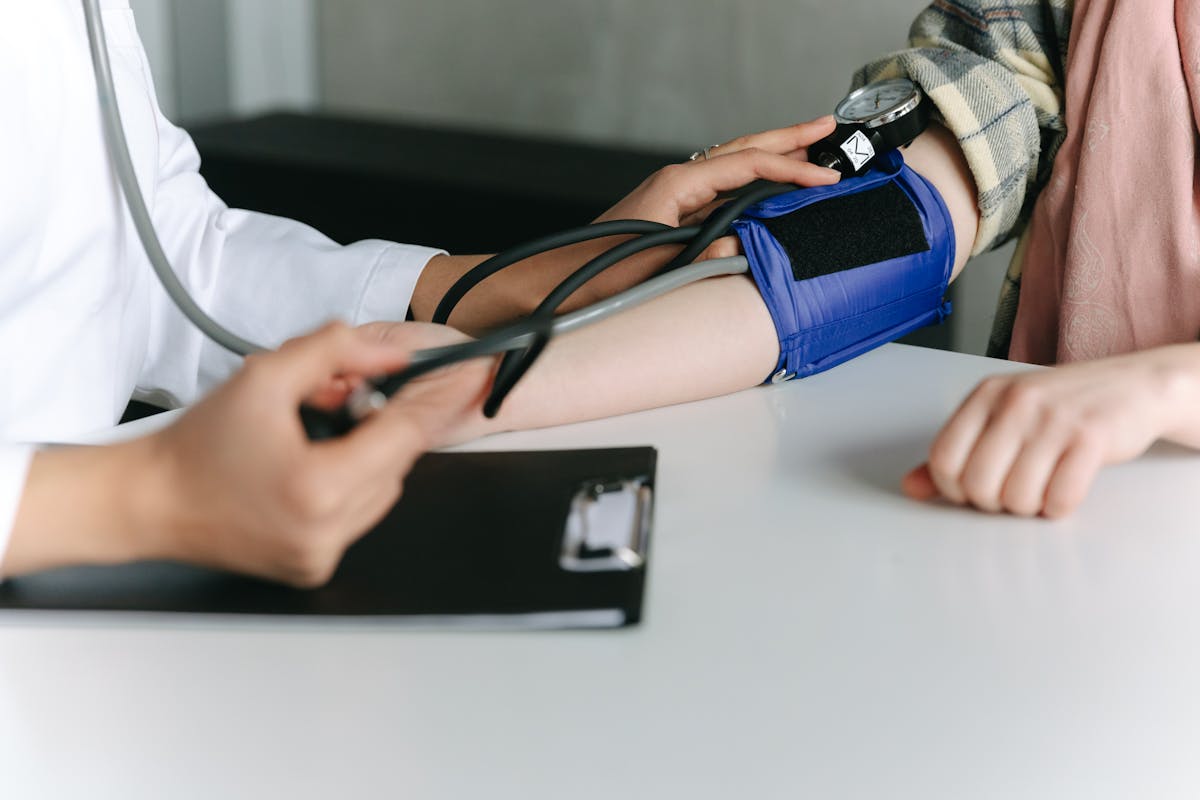
Regular communication with healthcare providers is essential for safe pain management
Prior Substance Use History
A personal or family history of addiction increases susceptibility to opioid use disorder. This doesn't mean people with such histories shouldn't receive adequate pain management, but it does mean that closer monitoring and alternative approaches should be considered. The brain pathways involved in addiction can be "primed" by previous substance use, making new addictions more likely to develop.
Duration and Dosage of Opioid Use
Research consistently shows that longer duration of opioid therapy and higher doses correlate with increased addiction risk. According to the Substance Abuse and Mental Health Services Administration (SAMHSA), even patients with no prior addiction history face significantly elevated risk after taking opioids for 90 days or more. This underscores the importance of regular reassessment of pain management plans.
Social and Environmental Factors
Isolation, lack of social support, chronic stress, and limited access to alternative pain management options all contribute to risk. When opioids become the only tool available for coping with pain, whether due to limited healthcare access, financial constraints, or lack of information about alternatives, dependency becomes more likely.
Understanding Risk Doesn't Mean Avoiding Treatment
Having risk factors doesn't mean you shouldn't receive proper pain management. It means that you and your healthcare providers should work together with extra care, exploring multimodal pain management approaches and maintaining close communication about how treatment is affecting you.
If you're reading this for a loved one, you're already doing something important. Understanding the situation is the first step toward helping.
Speak with a specialist who understands: 804-655-0094Pain Management Beyond Opioids
One of the most significant developments in pain medicine over recent years has been the growing recognition that opioids, while sometimes necessary, are far from the only option for managing chronic pain. A comprehensive pain management approach, often called multimodal therapy, combines multiple strategies to address pain from different angles, often reducing or eliminating the need for opioids.
Physical Therapies
Physical therapy remains one of the most effective interventions for many types of chronic pain. Trained physical therapists can help improve strength, flexibility, and body mechanics while teaching specific exercises tailored to your condition. For many people, consistent physical therapy provides pain relief comparable to opioids without the risks. Complementary approaches like massage therapy, acupuncture, and chiropractic care also show benefits for certain conditions.
Non-Opioid Medications
Many medications can address chronic pain without the addiction risks of opioids. These include anti-inflammatory drugs, certain antidepressants that affect pain pathways, anticonvulsants useful for nerve pain, and topical treatments. Working with a pain specialist to find the right combination often yields better results than opioids alone.
Psychological Approaches
The mind-body connection in chronic pain is well-established. Cognitive-behavioral therapy (CBT) helps people develop healthier thought patterns around pain and learn effective coping strategies. Mindfulness practices and relaxation techniques can reduce the suffering component of pain even when the physical sensation remains. These approaches don't mean your pain isn't real; they acknowledge that how we process pain affects our experience of it.

Physical activity and mind-body practices are powerful tools in comprehensive pain management
Interventional Procedures
For certain conditions, interventional procedures like nerve blocks, steroid injections, or spinal cord stimulation can provide significant relief. These are typically performed by pain specialists and can be especially helpful when specific pain generators have been identified.
Lifestyle Modifications
Regular physical exercise, when appropriate for your condition, releases natural endorphins that help manage pain. Proper nutrition, adequate sleep, and stress management all influence pain levels. While these changes don't replace medical treatment, they can significantly impact pain management and overall quality of life.
Effective chronic pain management typically requires a personalized combination of approaches. What works varies from person to person, and finding the right combination often takes time and patience. The goal is sustainable pain control that allows you to live your life, not just temporary relief followed by worse problems.
Treating Addiction While Managing Chronic Pain
For people who have developed opioid addiction while managing chronic pain, treatment presents a unique challenge. The underlying pain condition doesn't disappear when addiction is addressed, meaning treatment must consider both issues simultaneously. This is where specialized dual diagnosis treatment becomes essential.
The outdated approach of simply stopping opioids and telling someone to "manage the pain" fails to acknowledge the reality of chronic pain conditions. It also ignores the neurological changes that have occurred with addiction. Modern, evidence-based treatment recognizes that both conditions are real medical issues requiring professional attention.
Medication-Assisted Treatment (MAT)
For many people with opioid addiction, medication-assisted treatment using buprenorphine, methadone, or naltrexone can stabilize brain chemistry, reduce cravings, and prevent withdrawal while they work on recovery. Interestingly, some of these medications also provide pain relief, making them particularly useful for people with co-occurring chronic pain. MAT is not trading one addiction for another; it's using well-researched medical tools to support recovery.
Integrated Treatment Teams
The most effective treatment involves coordination between addiction specialists, pain management professionals, mental health providers, and primary care doctors. This team approach ensures that decisions made in one area of treatment don't undermine progress in another. For example, pain management strategies are chosen with addiction recovery in mind, and therapy addresses both pain coping and addiction recovery.
Addressing the Emotional Aspects
Living with chronic pain often involves grief over lost abilities, frustration, depression, and anxiety. These emotional aspects, which may have contributed to opioid dependence in the first place, must be addressed in treatment. Trauma-informed care recognizes that many people with chronic pain have experienced trauma that affects both their pain experience and their vulnerability to addiction.
Key Principles of Dual Treatment
- Both conditions are treated as legitimate medical issues
- Pain management strategies consider addiction recovery
- Treatment addresses emotional and psychological factors
- Medication-assisted treatment may be appropriate
- Coordinated care involves multiple specialists
- Recovery is ongoing, not a one-time event
Treatment Options That Work
When chronic pain and opioid addiction intersect, professional treatment offers the best path forward. Several levels and types of treatment are available, and the right choice depends on individual circumstances, severity of addiction, other health factors, and life responsibilities.
Residential Treatment
Residential addiction treatment provides intensive, round-the-clock care in a supportive environment away from daily triggers and stressors. For people with severe opioid addiction or those who have been unable to achieve recovery in less intensive settings, residential treatment offers the focused attention needed to establish a foundation for recovery. Programs typically last 28 days or longer, allowing time for physical stabilization, intensive therapy, and skill-building.

Group therapy provides connection and support from others who understand the challenges of recovery
Outpatient Programs
For those who need to maintain work or family responsibilities, outpatient treatment programs provide flexibility while still offering professional support. Intensive outpatient programs (IOP) and partial hospitalization programs (PHP) offer varying levels of care. Balancing recovery with employment is possible with the right program structure.
What Treatment Involves
Regardless of setting, effective treatment for opioid addiction with chronic pain typically includes individual therapy to address personal factors contributing to addiction, group therapy for peer support and skill development, education about addiction and pain management, development of healthy coping mechanisms, family involvement when appropriate, and comprehensive aftercare planning.
Treatment also involves preparing for therapy, understanding what to expect, and being willing to engage honestly in the process. Recovery from opioid addiction is work, but it's work that leads somewhere better.
The Importance of Aftercare
Recovery doesn't end when formal treatment concludes. Building a sober support network, continuing therapy as needed, and maintaining healthy pain management strategies are all part of long-term recovery. Understanding that setbacks can be part of the journey without meaning failure helps maintain perspective and resilience.
Navigating chronic pain and addiction is complicated, and you don't have to figure it out alone. Our team can help you understand your options and find the right path forward.
Call 804-655-0094Taking the First Steps Toward Recovery
Recognizing that your relationship with pain medication has become problematic is itself a significant step. What comes next can feel overwhelming, but breaking it down into manageable actions makes the path clearer.
Have an Honest Conversation with Your Doctor
If you're concerned about your opioid use, talking with your prescribing doctor is an important step. Be honest about how much you're taking, how often, and any concerns you have. Most healthcare providers want to help their patients and can work with you to develop a safer pain management plan or connect you with addiction treatment resources.
Learn About Your Options
Understanding what treatment involves can reduce anxiety and help you make informed decisions. What happens during the first week of rehab? How long does treatment typically last? Does insurance cover rehab? Getting answers to these questions helps you move forward with confidence.
Build Your Support System
Recovery is easier with support. This might mean talking to trusted family members or friends, connecting with others who understand through support groups, or simply having someone to check in with. Partners and spouses can play important roles in supporting recovery when they understand how to help.

Having supportive people in your corner makes the recovery journey more manageable
What You Can Do This Week
- Honestly assess your medication use patterns and any warning signs
- Make a list of questions you have about treatment options
- Identify one trusted person you can talk to about your concerns
- Research one non-opioid pain management approach you haven't tried
- Call an addiction specialist to learn about your options, no commitment required
- Write down what recovery would mean for your life and relationships
Address Practical Concerns
Worries about work, family responsibilities, finances, and other practical matters often delay people from seeking treatment. Many of these concerns have solutions. Talking to your employer about treatment may be protected by FMLA and ADA. Insurance often covers addiction treatment. Flexible treatment options exist for various life circumstances.
Finding Hope: Recovery Is Possible
If you're struggling with opioid addiction that began with legitimate chronic pain treatment, you're facing a difficult situation, but not a hopeless one. Thousands of people have navigated this same challenge and found their way to recovery while also finding effective, sustainable ways to manage their pain.
Recovery means different things to different people. For some, it means complete abstinence from opioids with alternative pain management. For others, it may involve medication-assisted treatment that stabilizes their condition while they rebuild their lives. What recovery universally involves is regaining control over your life, your choices, and your future.
The first 90 days of sobriety are often the most challenging, but they're also when the most significant changes occur. As time passes, the brain heals, new coping skills become habitual, and life opens up in ways that seemed impossible during active addiction.
For people managing chronic pain in recovery, the journey involves learning new relationships with discomfort, finding meaning and purpose despite physical limitations, and building a life worth protecting. It's not easy, but recovery stories from people who have walked this path show that it's possible and worthwhile.
For Families: You Need Support Too
Watching someone you love struggle with opioid addiction is painful, especially when it started with a medical condition. You may feel helpless, frustrated, or unsure how to help without enabling. These feelings are normal. Remember that you can't force someone into recovery, but you can take care of yourself and be ready to support them when they're willing to accept help. Family involvement in treatment, when appropriate, can strengthen recovery outcomes. Learn how family dynamics influence addiction and recovery.
Ready to Take the Next Step?
Whether you're struggling yourself or concerned about someone you love, we're here to help you understand your options. Our addiction treatment specialists have experience working with people managing chronic pain alongside addiction.
📞 Call 804-655-0094Families often start with a short phone call. We're here when you're ready.